
Connectors














Connectors
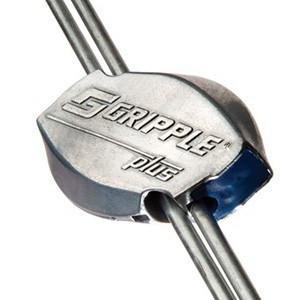
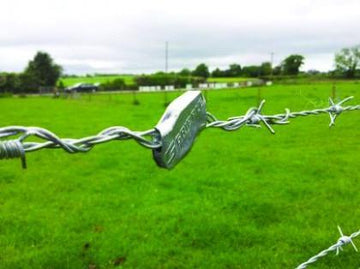
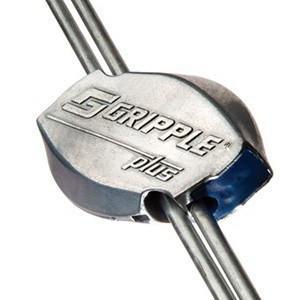
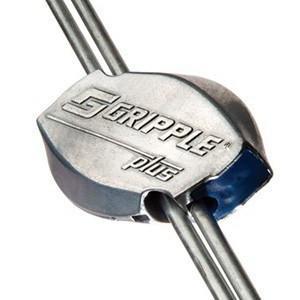
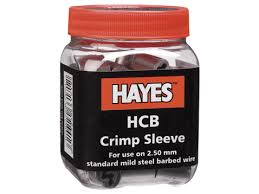
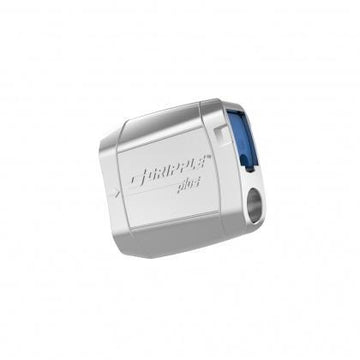
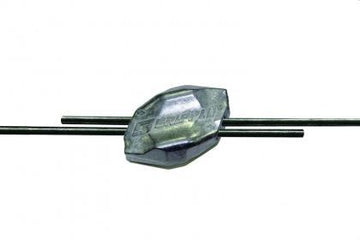
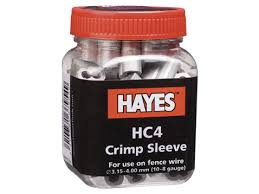
This category includes crimp sleeves, wire clamps, joiners, tensioners, and connector kits designed to join or splice wire, tape, rope, polywire, or mesh in fencing systems.
Choose connectors based on conductor type (wire, rope, or tape), material compatibility, expected line tension, and whether the connection is a splice, termination, or joint point.
Yes, provided the sleeve is rated for electric fencing, maintains proper conductivity, resists corrosion, and creates a secure mechanical and electrical connection.
Yes. Tape and rope connectors are designed to accommodate wider and more flexible conductors while maintaining consistent electrical contact and mechanical strength.
Fence connectors are exposed to moisture, snow, salt, and freeze-thaw cycles. Corrosion can reduce conductivity and strength, leading to voltage loss or mechanical failure. Galvanized or stainless connectors improve durability.
Yes. Matching connector size and material to the wire prevents galvanic corrosion, slippage, and structural weakness. Always follow manufacturer specifications for compatibility.
Quality connectors can be reused if they are clean, undamaged, and corrosion-free. Always inspect for deformation, wear, or reduced conductivity before reuse.
Plan for connectors at every splice, termination point, energizer connection, and gate. Adding a 10–15% contingency ensures you have enough for corners and high-tension areas.
Yes. Poor-quality or improperly installed connectors can increase resistance, reduce voltage, allow wire slippage, and compromise overall fence performance.
Typical tools include wire cutters or strippers, crimping tools for sleeves, pliers or wrenches for clamps, gloves and eye protection, and a voltage tester to verify electrical continuity.
Inspect connectors at least once per season and after severe weather. Look for rust, looseness, conductor slippage, or damage and replace any connectors showing signs of failure.
Yes. Temporary fencing uses lightweight or quick-release connectors for portability, while permanent fencing requires heavy-duty, corrosion-resistant connectors designed for long-term tension and exposure.