
Electric Fencing































-
- 1
- 2
-
Electric Fencing
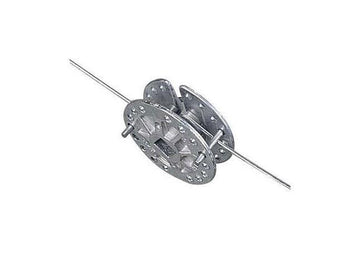
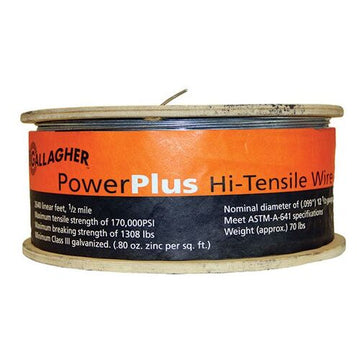
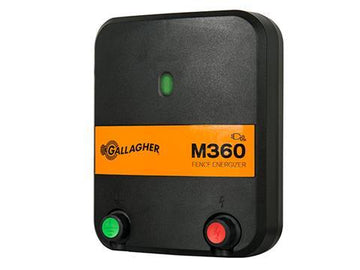
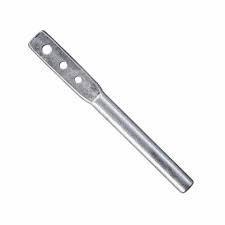
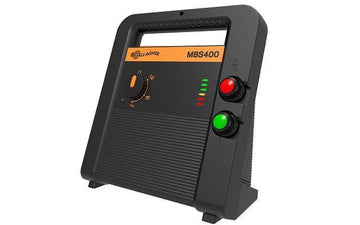
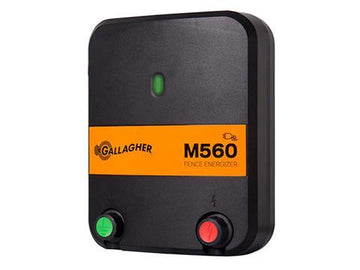
An electric fence typically includes an energizer, conductor (polywire, polytape, rope, or high-tensile wire), posts, insulators, proper grounding/earth rods, connectors, a fence tester, and gates or handles for access.
Cattle generally do well with multi-strand polywire or high-tensile; horses benefit from highly visible polytape; goats and sheep need tighter spacing with multiple strands and reliable grounding; small pets or poultry often use lightweight, low-output, portable systems.
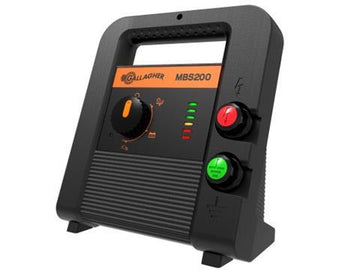
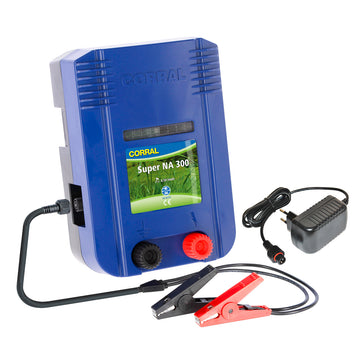
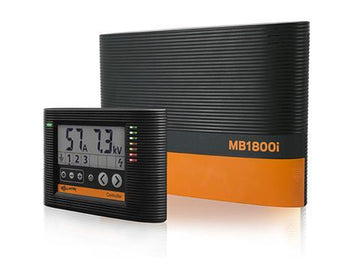
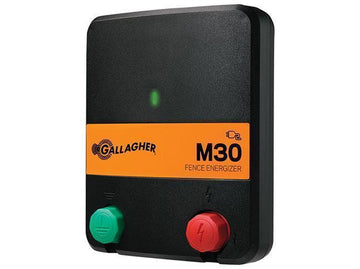
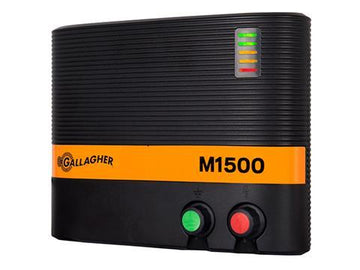
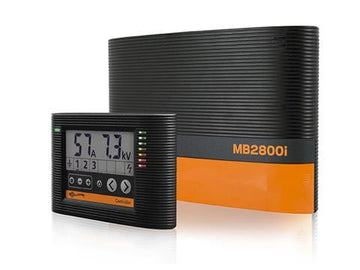
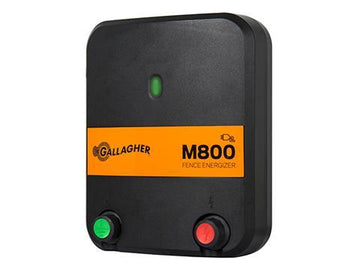
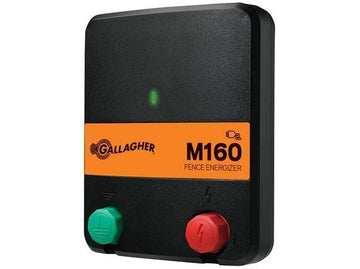
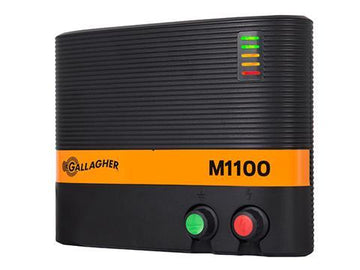
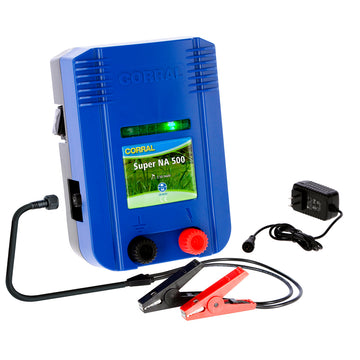
It depends on fence length, vegetation load, number of strands, and the animals you’re containing or deterring – longer lines and heavy vegetation usually need a higher-output energizer; always match the energizer’s specs to your total fence requirements.
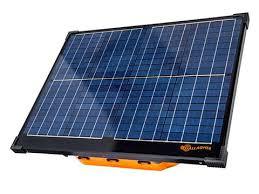
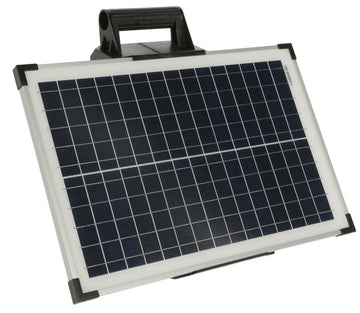
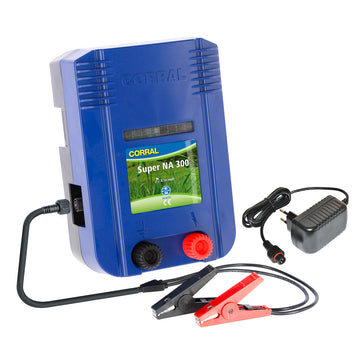
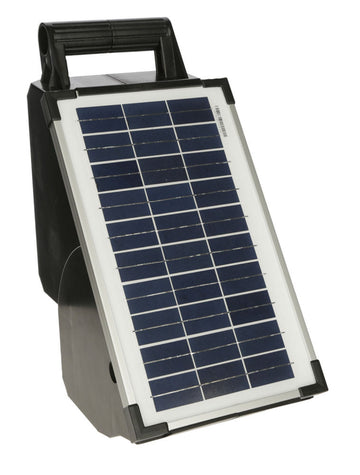
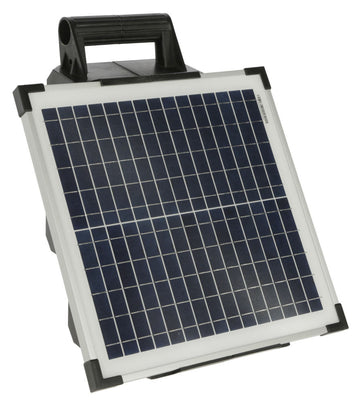
Solar is great for remote or rotational setups, battery is flexible for portable lines, and mains-powered (plug-in) provides consistent output for permanent or long fences; pick the power source that best fits your location and fence size.
Grounding is critical – poor earth systems are the top cause of weak shock; use quality ground rods, space them properly, keep connections clean, and reassess grounding in dry or frozen conditions.
Yes – multi-strand layouts with appropriate spacing and a well-matched energizer can deter wildlife; reliable grounding, good visibility, and correct fence height are key; always follow local safety guidelines.
Modern energizers deliver short, pulsed shocks designed to startle rather than injure; follow manufacturer instructions, post warning signs where needed, and never electrify barbed wire or unsafe materials.
Common essentials include post drivers, wire/tape strainers, crimp tools, reels, quality insulators, lightning/overload protection, gate handles, connectors, and a digital fence tester for routine checks.
Start at the energizer with a tester, isolate sections to find faults, clear vegetation touching the fence, check insulators and splices, verify ground connections, and repair damaged conductors or hardware.
Yes – use step-in posts, geared reels, lightweight conductor (polywire or tape), and a portable energizer to move lanes quickly and adapt paddock sizes as needed.
Snow, ice, and frozen or very dry soils can reduce grounding efficiency; increase inspections, keep conductors clear, consider additional ground rods, and adjust fence design or output to match seasonal conditions.
Yes – product support can help match energizers, conductors, posts, and grounding to your animals, fence length, and terrain so you get reliable performance.