
Pigs and Hogs


































-
- 1
- 2
-
Pigs and Hogs
Electric fencing for Pigs and Hogs
Electric fencing for Hogs (pigs) is becoming more and more popular with hogs commonly being kept outdoors as the worldwide demand for free-range meat increases.
There is a risk in some areas that free-range hogs can come into contact with wild boars, and become contaminated with swine fever. So, a reliable, safe electric fence to keep your hogs in and wild boars out is a wise investment.
High Tensile fence for pigs
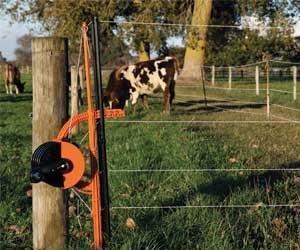
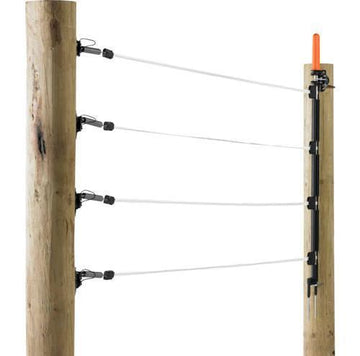
We recommend a three-wire system with a distance between posts of 10 metres as a minimum for a permanent (interior) fence for free-range pigs. Bear in mind that in some areas you also need an exterior fence (to prevent contamination with swine fever by loose wild boars). A seven-wire system with a distance between posts of 12 metres provides a reliable permanent exterior fence for free-range pigs. It should be positioned four metres from the interior fence.
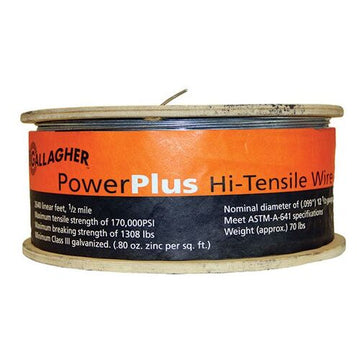
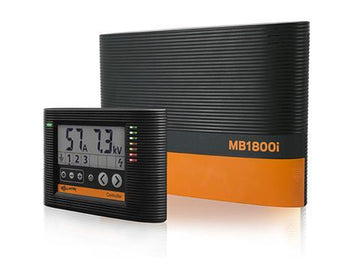
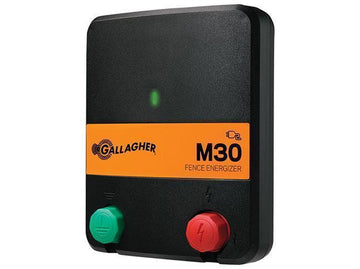
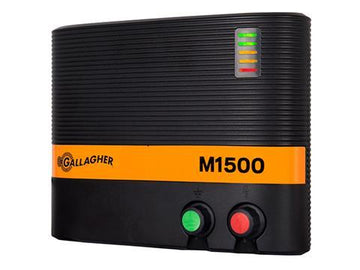
High Tensile is a very durable, permanent fence. It will easily last 20 to 25 years, which makes it very suitable. Combined with a powerful Gallagher fence energizer, you will have optimum electrical conductivity.
Fence Configuration - Hog
The number of free-range hogs and pigs is growing. A minimum three-wire system is recommended for pigs. Combine this high tensile fence recommendation with a powerful Energizer and you'll have a durable, protective fence that will last many years.
|
|
|
||||||||||||||||||||
|
|
||||||||||||||||||||


Mobile fence for pigs
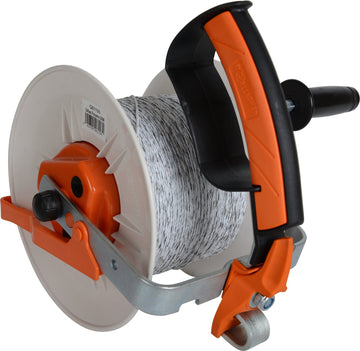
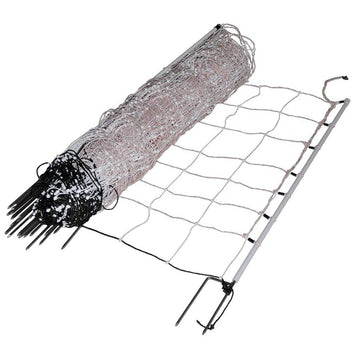
A mobile fence is ideal as a temporary, or easy-to-move, enclosure. Very suitable for subdividing large plots for your (free-range) pigs. At FenceFast we offer several options from electric netting to a three-wire system with a distance between posts of 10 metres as a moveable fence for free-range pigs. Depending on the type of pig, one or two wires may be enough. Bear in mind that in some areas you also need an exterior fence (to prevent contamination with swine fever by loose wild boars). As a rule, the minimum distance between the interior and the exterior fence should be four metres. Pigs are also rooters and can often bury the bottom of electric netting so if you want to have the added security of using portable netting have a secondary 1 or 2 wire poly fence set a couple of feet inside the netting can help prevent your pigs from shorting out the netting this will also give you a secondary barrier if you have any wild hogs running loose in your area.


Suitable solutions include multi-wire high tensile permanent fences, portable electrified netting or tape systems, and offset wires added to existing fences to contain pigs and exclude wild or feral hogs.
Pigs root, rub and may push or dig under fences. Their behavior requires conductor wires close to the ground, stronger tension, good visibility and durable materials to prevent escapes or damage.
A typical minimum is a 3-wire system for interior containment, with wires spaced from near ground up. Many recommend a 7-wire exterior fence in high risk zones where wild hog intrusion is possible.
Yes – portable fencing systems are ideal for subdividing pastures, rotational free-range setups or temporary pens. The bottom wires must be low to the ground and tension maintained to prevent digging or slipping under.
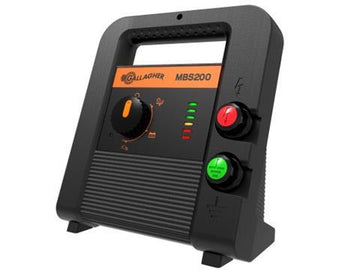
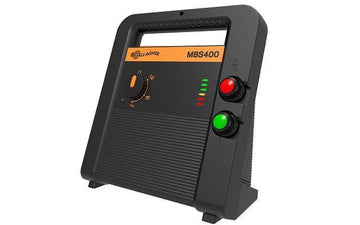
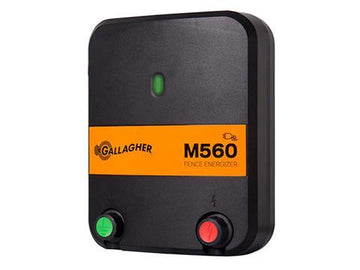
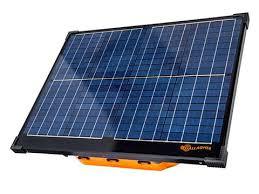
Choose an energizer with sufficient output to maintain high voltage despite vegetation contact, mud, wet ground and longer fence lengths. Strong grounding and low impedance energisers are especially important for pig systems.
Frozen ground, heavy vegetation, mud and rootings can compromise grounding, tension and visibility. Use corrosion-resistant materials, secure post bracing and ensure the lowest wire stays near the ground line.
Use a bottom strand of wire or net within a couple of inches of the ground, consider burying the lower wire or adding an exterior electrified line a few feet away, and maintain strong tension to discourage pushing.
Yes – an offset wire adds a deterrent line inside or outside a primary permanent fence and helps discourage leaning, pushing or entrance by undetected wild hogs.
Regular inspections should include checking wire tension, testing voltage, ensuring insulators and posts are intact, removing vegetation from wires, and verifying that ground rods are functioning properly.
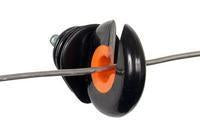
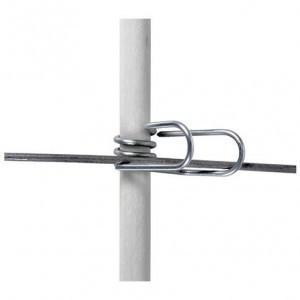
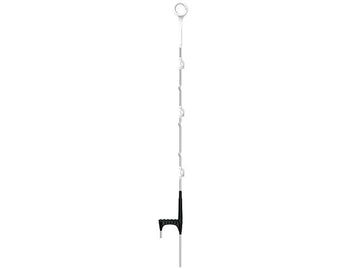
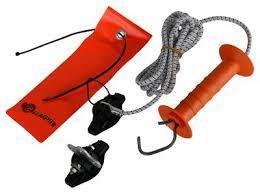
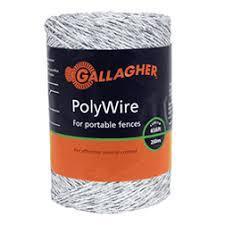
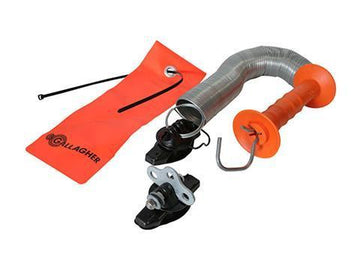
Key components include a high performance energizer, high tensile wire or heavy duty electrified tape, properly braced end and corner posts, ground rods, insulated gate handles, and spare insulators or connectors.
Yes – most systems can be extended with extra wire runs, additional panels or netting sections, upgraded energizers and added posts to accommodate growing herds, or changing pasture layout.
Both large and smaller operations benefit. Whether you have a small free-range pig setup or a large commercial herd, the correct fencing design improves containment, reduces escapes and enhances bio-security.