
Poultry
































-
- 1
- 2
-
Poultry
Electric fencing for Chickens

There are different types of electric fencing for poultry:
- Temporary Electric Netting
- Permanent Electric Fencing for Poultry
- Protecting an Existing Pen
- Multi Wire Predator Fence
1. Temporary Electric Netting for Poultry
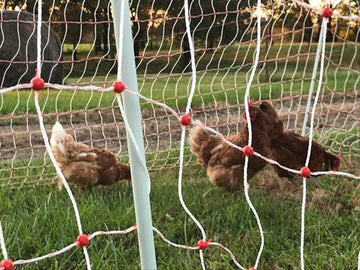
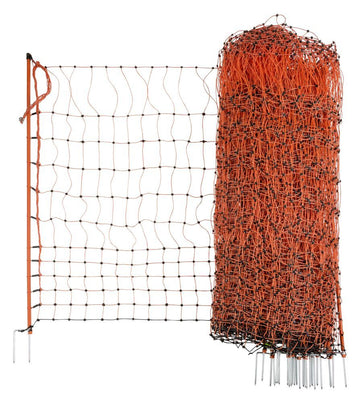
Electric Netting is ideal for containing all types of poultry in large or small areas (including ducks, geese, turkeys etc.) and keeping predators out (i.e. bears, foxes, coyotes, wolves, dogs, cats, racoons and mink). It is easy to move around so birds can be given new pasture, which reduces parasites and worming requirements of other livestock and gives pastures time to recover.
This all-in-one Electric Netting is the ideal solution for safely containing free-range chickens. The netting fence is easy to set up and transport so it’s a convenient and secure fencing alternative if you need to move your chickens frequently.
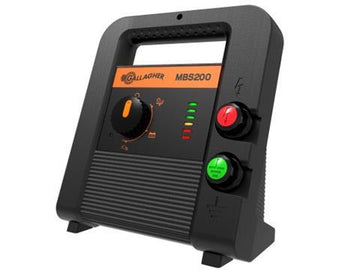
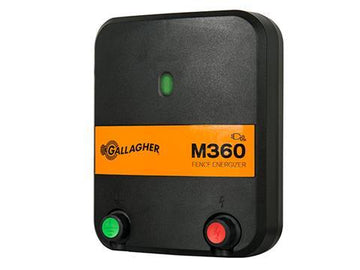
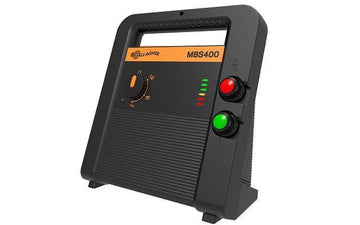
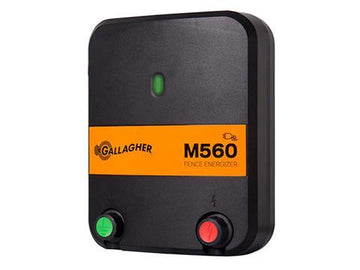
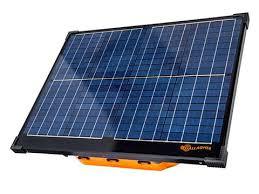
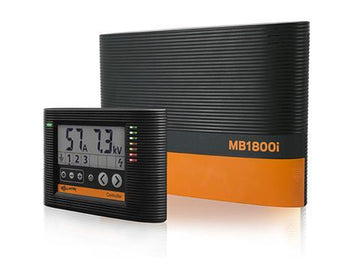
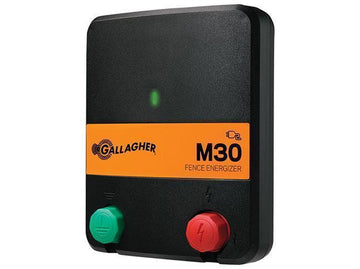
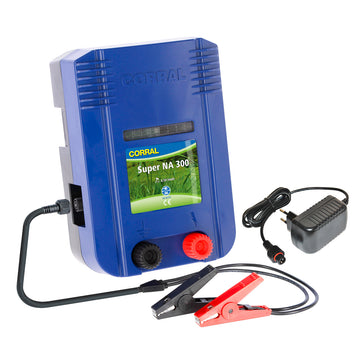
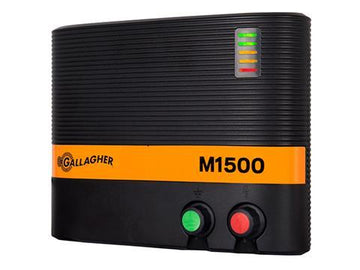
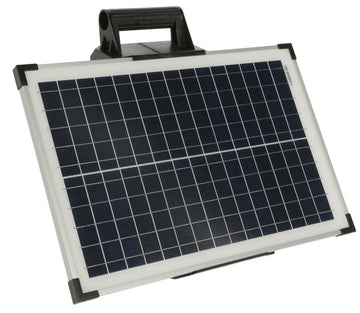
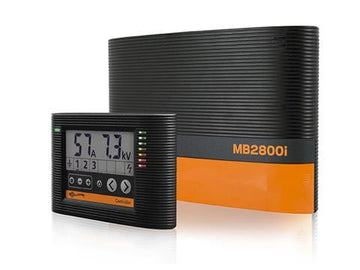
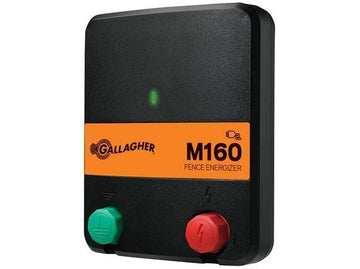
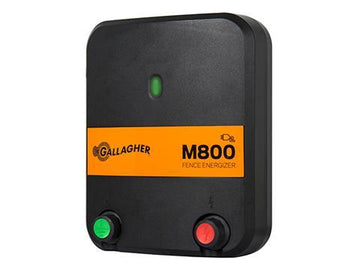
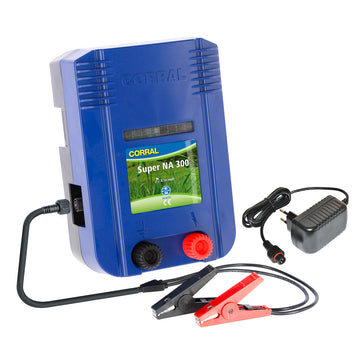
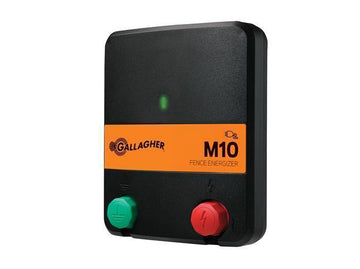
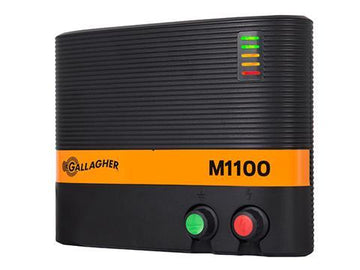
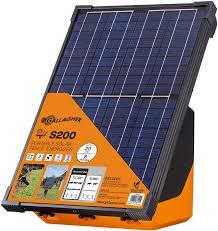
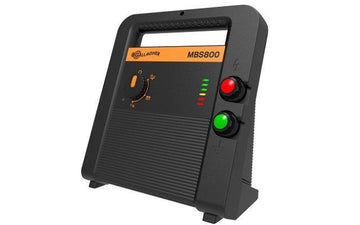
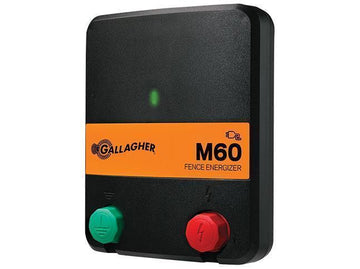
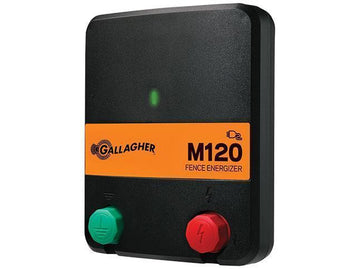
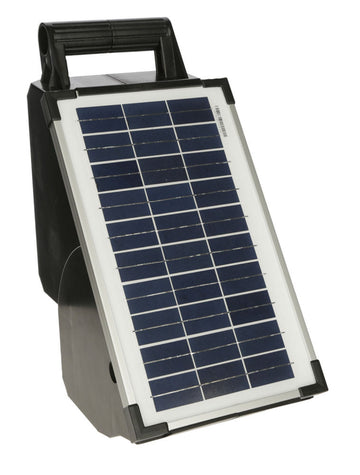
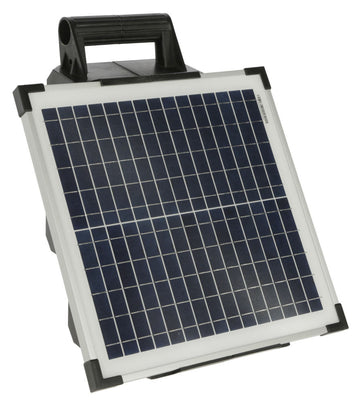
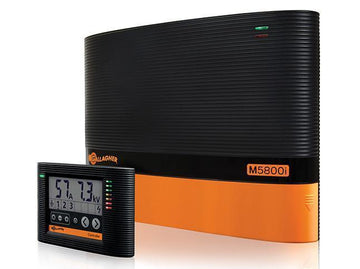
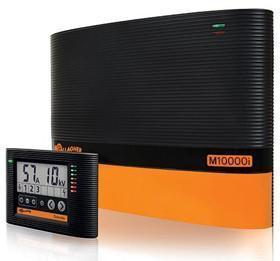
To power your portable electric poultry netting we recommend no less than a 1 joule energizer or a 3 joule energizer if you have tall grass or predator issues. A Multi Power energizer is the best value for output however a self contained solar energizer is a very portable option for summer season only use here in Canada.


2. Permanent Electric Fencing For Poultry
1. PROTECTING AN EXISTING PEN
An electric fence can also be added to existing runs to stop predators climbing or digging into the enclosure. A permanent poultry/pheasant run can be protected from predators by adding 2-3 lines of electrified wire, poly or tape supported by wood post insulators such as Screw-In Ring insulators on the existing posts of the enclosure. The bottom line should be supported by Offset insulators. This will stop foxes etc from digging under, whilst the other lines will stop them climbing. It is also be possible to use offsets along the top of the existing fence, as one wants to insure that the electric wires cannot easily come into contact with the existing pen mesh fencing as this will cause the electric fence to short out. We do however recommend that this mesh is connected to the energizer ground rod as this will ensure the fence mesh is grounded so any animal that tries to climb the mesh will than receive a shock when coming into contact with the electrified wires at the fence as the grounded mesh will close the circuit. A plug-in energizer of minimum 1 joule is recommended however if power is not available a multi powered or solar of similar size can be used.


We designing and installing a system such as this you may need to get a little creative and utilize several different style of insulators, gate handles and hardware to create the the required results. We do stock a large verity of electric fence products and are always happy to help. If you would like assistance in your design feel free to send us an email, please include a few pictures of your pen, and a sketch showing measurements and gate locations also note if power is available near by and we will be happy to put together a package for you.
2. MULTI LINE PREDATOR FENCE
The Predator Fence can be used to protect large areas but may require professional help to install. It comprises of 6-10 lines of high tensile single wire or mesh wire, supported by insulators on wooden, Fiberglass or Gallagher line posts, It is essential to use large strainer posts on all corners and gates as, once erected, the lines are tensioned via wire strainers.
email info@fencefast.ca to have one of our Certified Pasture Pros assist you in your poultry predator management requirements
This category includes electric poultry netting, fence posts, energizers, connectors, and accessories designed to contain chickens, ducks, and other poultry while deterring predators.
Electric poultry netting offers an effective way to protect birds from predators while allowing free-ranging. It is lightweight, portable, and well-suited for pasture rotation.
Yes. When installed and powered correctly, the electric pulse is mild and serves as a training deterrent. It discourages birds from escaping and predators from entering without causing harm.
Yes. Many poultry fencing systems are designed for portability and can be rolled up, relocated, and reset easily to provide birds with fresh grazing areas and cleaner ground.
Yes. An energizer is required to power the fence and deliver an effective electrical pulse. Battery, solar, and plug-in energizers are available depending on access to power.
Ensure the bottom of the netting sits close to the ground, keep vegetation cleared from beneath the fence, and maintain proper voltage so predators receive a deterrent shock before digging.
Yes. Poultry fencing systems can be used for chickens, ducks, geese, turkeys, and other small farm birds. Taller netting or stronger posts may be required for larger or heavier birds.
Maintenance includes checking for sagging netting, clearing vegetation, verifying grounding, monitoring voltage levels, and replacing damaged posts or wires as needed.
Yes, but snow, frozen ground, and moisture can impact grounding and tension. Using quality components, deep ground rods, and regular voltage checks helps ensure performance year-round.
Most poultry netting ranges from 3 to 4 feet in height, which is sufficient for many breeds. Lightweight or flight-prone birds may require taller fencing or additional management measures.
Yes. A proper grounding system is essential for effective operation. Without adequate grounding, the fence will not deliver a full electrical pulse and predator deterrence may be reduced.
Yes. Most poultry fencing systems are modular and allow additional netting sections, posts, and connectors to be added as your flock or grazing area grows.