

Finding a reliable way to safely contain horses during pasture rotation or travel presents a real challenge for Canadian owners and trainers. The need for flexible boundaries is clear, whether managing daily grazing or setting up temporary enclosures at shows. Understanding the fundamentals and dispelling common portable fencing myths can make all the difference when protecting your horses and shaping safe, adaptable containment solutions that work for busy schedules and changing environments.
Table of Contents
- Portable Equine Fencing Fundamentals And Myths
- Types Of Portable Fencing For Horses
- Essential Features And Installation Strategies
- Use Cases For Travel, Grazing, And Events
- Safety Risks, Legal Concerns, And Common Mistakes
- Cost Comparisons And Alternatives For Horse Owners
Key Takeaways
| Point | Details |
|---|---|
| Understanding Fencing Fundamentals | Portable equine fencing should prioritize height, visibility, and material selection to ensure horse safety. Regular inspections are crucial for maintaining effective containment. |
| Myth-Busting Common Misconceptions | Many owners mistakenly believe that any temporary fencing is sufficient; however, it is essential to select suitable materials and follow safety guidelines. |
| Selecting the Right Fencing Type | Options like Electric Tape, Mesh, and PVC fencing each have unique benefits, and owners must assess their specific needs before installation. |
| Legal and Safety Considerations | Compliance with local regulations is vital, as improper fencing can lead to legal repercussions and increased safety risks for both horses and owners. |
Portable equine fencing fundamentals and myths
Portable equine fencing represents a critical safety solution for Canadian horse owners seeking flexible pasture management strategies. Understanding the core principles and dispelling common misconceptions can help prevent potential injuries and ensure effective animal containment.
At its core, portable fencing serves multiple essential functions for horse management. Fencing safety standards recommend specific design considerations to protect horses and provide reliable enclosure. Key fundamentals include:
- Maintaining appropriate fence height (1.08 to 2 meters)
- Ensuring high visibility through bright markings
- Selecting materials that minimize injury risks
- Allowing for quick reconfiguration of pasture spaces
- Providing secure yet flexible containment options
Many horse owners mistakenly believe that any temporary fencing solution will suffice. However, several persistent myths can compromise horse safety. Common misconceptions include:
- Believing barbed wire is acceptable for horse enclosures
- Assuming all portable fencing materials offer equal protection
- Thinking that cheaper options are always cost-effective
- Overlooking the importance of regular fence inspections
Visibility and material selection remain paramount when choosing portable equine fencing. Horses require clear visual boundaries that prevent accidental contact and potential injury. Bright white tape, sturdy polymers, and strategically designed connectors help create safe, reliable temporary enclosures that can adapt to changing pasture needs.
Pro tip: Conduct monthly comprehensive inspections of your portable fencing to identify potential weak points or damage before they become significant safety hazards.
Types of portable fencing for horses
Portable horse fencing offers Canadian equestrians multiple options for safe, flexible pasture management. Portable fencing types range from electric tape to mesh systems, each designed to meet specific equine containment needs while providing mobility and safety.
The primary portable fencing types include:
-
Electric Tape Fencing: Lightweight, highly visible option
- Provides psychological barrier
- Requires consistent power source
- Easy to reconfigure
-
Mesh Fencing: Grid-like design with unique advantages
- Excellent visibility
- Reduces potential injury risks
- Ideal for young horses
-
PVC Fencing: Aesthetic and low-maintenance solution
- Visually appealing
- Less impact-resistant
- Quick installation
Durability and material selection play crucial roles in choosing the right portable fencing. Aluminum fencing emerges as a robust option, offering rust resistance and long-term reliability. Traditional post and rail systems, while classic, require more complex portable adaptation.
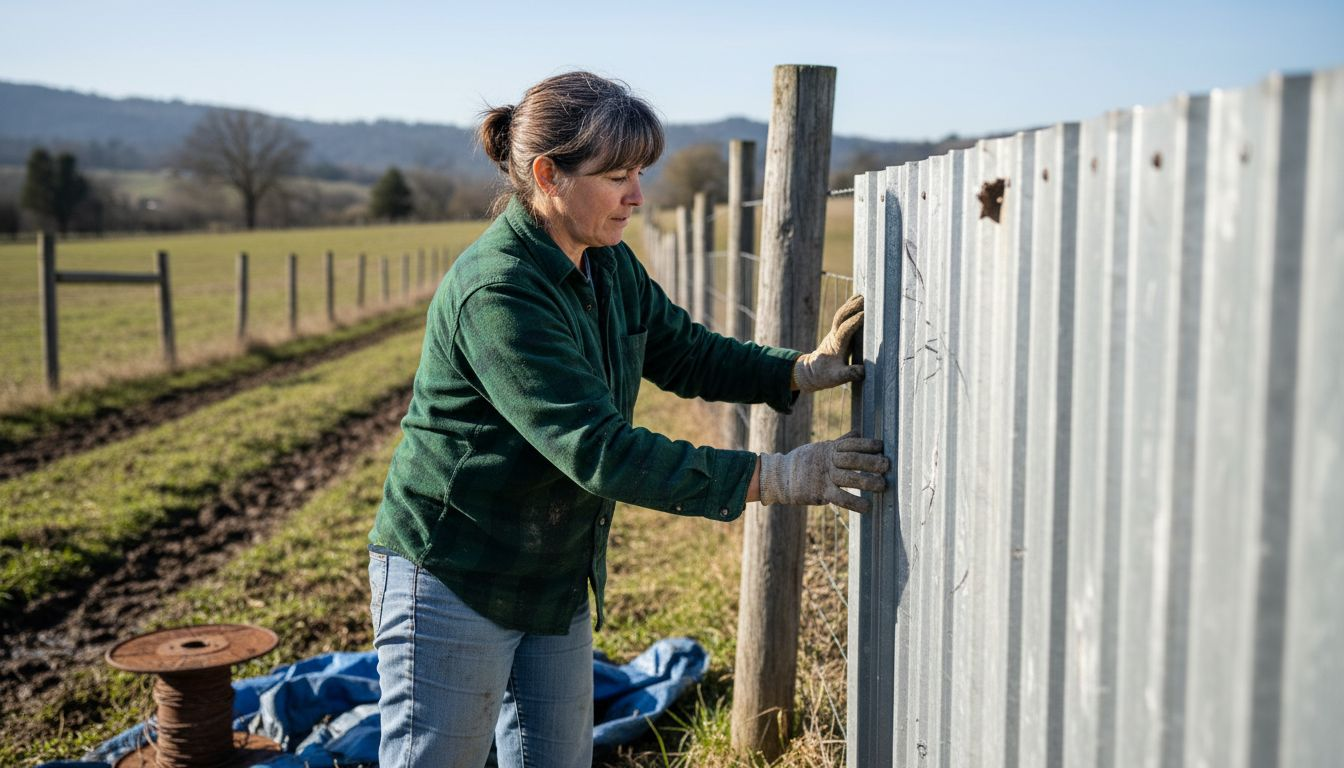
Horse owners must carefully evaluate their specific requirements, considering factors like pasture rotation, event needs, and individual horse behavior when selecting portable fencing solutions.
To clarify decision-making for Canadian horse owners, here’s a comparison of popular portable fencing types:
| Fencing Type | Lifespan | Maintenance Demands | Suitability for Terrain |
|---|---|---|---|
| Electric Tape | 3-5 years | Frequent battery checks | Flat, open spaces |
| Mesh Panel | 10+ years | Minimal, occasional checks | Uneven, varied terrain |
| PVC Fencing | 5-8 years | Low, clean panels | Stable ground only |
| Rope Systems | 4-6 years | Regular tension resets | General use |
Pro tip: Prioritize visibility and impact resistance when selecting portable horse fencing to maximize safety and effectiveness.
Essential features and installation strategies
Portable horse fencing requires careful consideration of design and deployment to ensure maximum safety and functionality. Free-standing panel features provide critical insights into creating effective temporary enclosures for Canadian horse owners.
Essential features that define high-quality portable fencing include:
-
Structural Integrity
- Robust material construction
- Resistance to weather variations
- Minimum flex and deformation
-
Safety Mechanisms
- Secure locking systems
- Smooth edges to prevent injury
- No sharp protrusions
-
Adaptability
- Compatible with various terrain types
- Easy reconfiguration
- Lightweight yet durable design
Installation strategies demand meticulous planning and execution. Horse owners must carefully assess terrain, anticipate potential horse behavior, and ensure complete enclosure without vulnerable gaps. Proper panel alignment, secure anchoring, and strategic positioning prevent escape attempts and minimize safety risks.
Regular maintenance and inspection form the backbone of effective portable fencing management. Checking connection points, assessing material wear, and responding quickly to potential structural compromises can prevent long-term safety issues.
Pro tip: Conduct a thorough terrain assessment and practice panel setup before actual deployment to identify potential installation challenges.
Use cases for travel, grazing, and events
Portable horse fencing provides Canadian equestrians with versatile solutions for multiple scenarios beyond traditional pasture management. Portable electric fencing strategies offer unprecedented flexibility for travel, remote grazing, and competitive events.
Key use cases for portable horse fencing include:
-
Horse Camping
- Quick setup at remote campgrounds
- Adaptable to varied terrain
- Prevents horse wandering
-
Rotational Grazing
- Allows strategic pasture management
- Reduces overgrazing risks
- Enables controlled grazing patterns
-
Competitive Events
- Rapid assembly at horse shows
- Temporary warm-up and holding areas
- Secure perimeters for multiple horses
Event and travel scenarios demand lightweight, rapid-deployment fencing solutions. Horse owners require systems that can be quickly configured in unfamiliar environments, providing secure boundaries without complex installation processes. Integrated posts, lightweight materials, and intuitive connection mechanisms become critical for successful temporary enclosures.
Understanding specific terrain challenges and anticipated horse behavior helps owners select the most appropriate portable fencing configuration. Different environments—from mountain trails to show grounds—require nuanced approaches to temporary horse containment.
Pro tip: Practice assembling your portable fencing system before traveling to ensure smooth, quick setup in varied environments.
Safety risks, legal concerns, and common mistakes
Portable horse fencing demands careful consideration to prevent potential hazards and legal complications. Horse fencing mistakes can expose owners to significant safety risks and potential liability.
Common safety risks and mistakes include:
-
Material Selection Errors
- Using barbed wire
- Choosing weak or brittle materials
- Neglecting material durability
-
Installation Failures
- Improper post securing
- Incorrect fence tensioning
- Insufficient fence height
-
Visibility and Maintenance Issues
- Poor visibility leading to horse collisions
- Neglecting regular maintenance
- Ignoring wear and tear
Legal considerations play a critical role in portable horse fencing implementation. Local municipalities often have specific regulations regarding livestock containment, fence design, and property boundaries. Failure to comply can result in fines, liability for animal-related incidents, and potential civil disputes with neighboring properties.
Horse behavior presents another complex risk factor. Different horses react uniquely to fence configurations, requiring owners to anticipate potential escape attempts, understand psychological barriers, and design systems that account for individual animal temperaments. Professional assessment and ongoing monitoring become essential for maintaining safe, effective portable enclosures.
Here’s a summary of common portable fencing risks and legal consequences:
| Owner Mistake | Resulting Risk | Legal Impact |
|---|---|---|
| Poor visibility | Increased horse injuries | Potential liability claims |
| Barbed wire use | Severe wounds | Fines for unsafe enclosure |
| Ignored maintenance | Structural fence failure | Civil disputes with neighbors |
| Incorrect installation | Horse escapes | Regulatory non-compliance |
Pro tip: Consult local agricultural authorities about specific fencing regulations and conduct periodic professional safety assessments of your portable horse fencing system.
Cost comparisons and alternatives for horse owners
Canadian horse owners face complex decisions when selecting portable fencing solutions that balance affordability with functionality. Portable fencing cost considerations demonstrate that initial investment must be carefully weighed against long-term performance and maintenance requirements.
Portable fencing alternatives include:
-
Electric Tape Fencing
- Lower upfront costs
- Minimal installation expenses
- Requires periodic battery replacement
-
Rope Systems
- Moderate initial investment
- Lightweight and flexible
- Periodic tension adjustments needed
-
Mesh Panel Systems
- Higher initial cost
- Extremely durable
- Minimal ongoing maintenance
-
Modular Panel Options
- Versatile configuration
- Scalable investment
- Reusable across different scenarios
Cost dynamics extend beyond initial purchase price. Smart horse owners evaluate total ownership expenses, including installation labor, maintenance frequency, replacement intervals, and potential repair costs. Electric systems might have higher recurring expenses due to battery and conductor replacements, while mesh or aluminum panels offer more stable long-term financial projections.
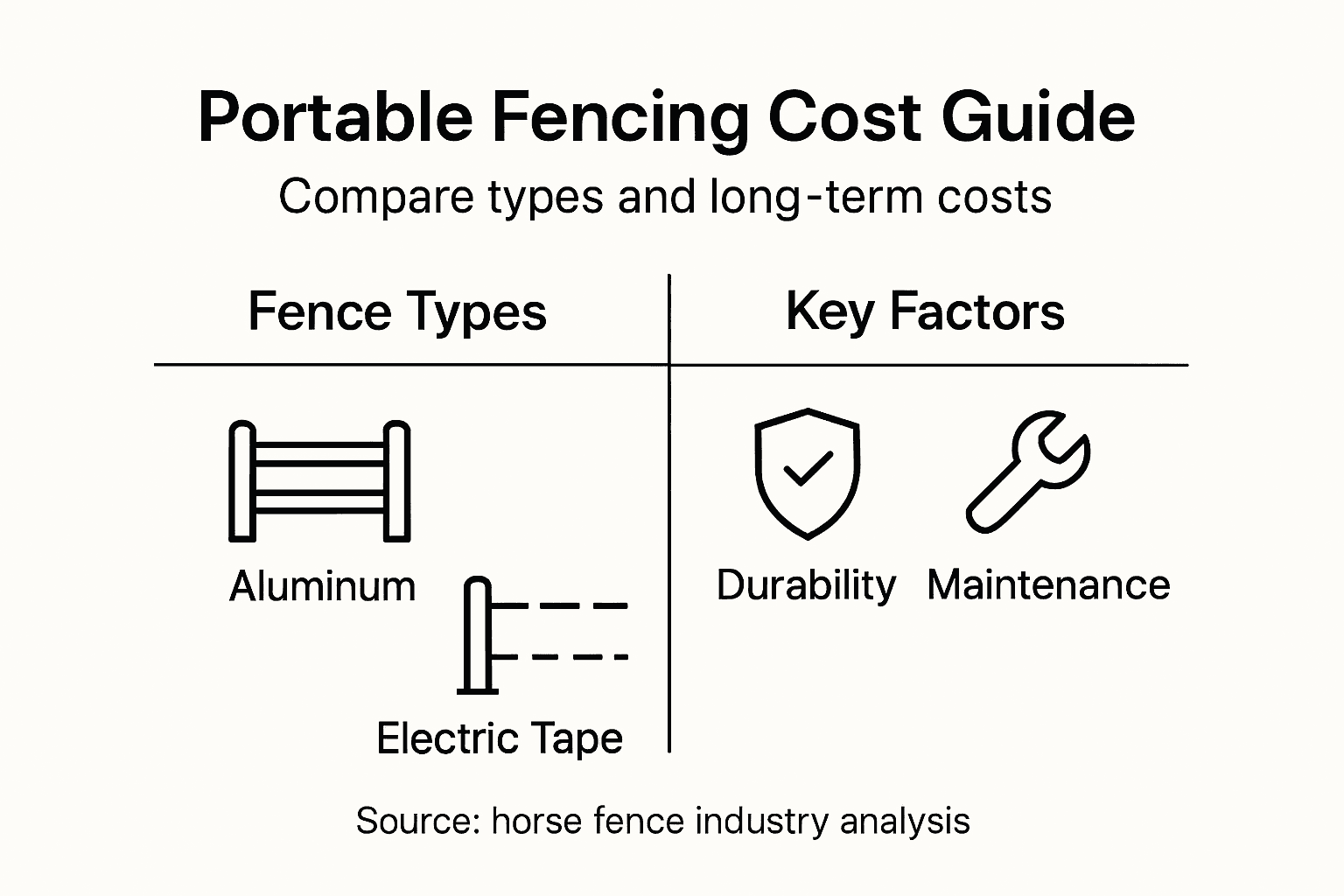
Regional variations in material costs, local climate conditions, and specific horse management practices significantly influence the most economical portable fencing strategy. Professional consultation can help optimize investment decisions tailored to individual farm requirements.
Pro tip: Calculate total five-year ownership costs, not just initial pricing, when comparing portable fencing alternatives.
Enhance Your Horse Safety with Expert Portable Fencing Solutions
Managing portable equine fencing involves challenges such as ensuring high visibility, durable materials, and safe installation to prevent injuries and escapes. If you want to avoid common mistakes like poor fence tensioning or selecting inappropriate materials, FenceFast.ca offers a wide range of quality fencing components and electric fencing systems designed specifically for Canadian horse owners. Whether you need reliable connectors, electric tape, or secure gate accessories, we provide everything necessary to build a flexible and safe temporary enclosure.

Take control of your pasture management today by exploring portable fencing products. Get expert guidance on the best options for your terrain and horse behavior. Visit FenceFast.ca now to secure your livestock with the right tools and enjoy nationwide shipping that helps you act quickly and confidently.
Frequently Asked Questions
What are the fundamental features of portable equine fencing?
Portable equine fencing should have proper height (1.08 to 2 meters), high visibility through bright markings, materials that minimize injury risks, and allow for quick reconfiguration and secure containment.
How do electric tape and mesh fencing compare?
Electric tape fencing is lightweight and provides a psychological barrier but requires a consistent power source. Mesh fencing has excellent visibility, reduces injury risks, and is ideal for young horses, offering a durable option for safe containment.
What are common mistakes to avoid when using portable horse fencing?
Common mistakes include using barbed wire, ignoring regular maintenance, improper installation, and selecting materials that lack durability or visibility, all of which can lead to safety risks and legal issues.
How can I maximize the safety and effectiveness of my portable fencing?
To maximize safety, prioritize visibility and impact-resistant materials, conduct regular inspections, ensure proper installation, and adapt fence designs to your specific terrain and horse behavior.

