

Over 60 percent of American horse owners use portable fencing solutions for improved flexibility and safety. Modern ranchers and equine enthusiasts need enclosures they can set up quickly, move easily, and trust to keep their animals secure in changing conditions. This guide equips you to choose the right portable horse fencing, covering the most effective types, key setup strategies, and what sets these systems apart for responsible American horse management.
Table of Contents
- Defining Portable Horse Fencing Solutions
- Primary Types Of Portable Equine Fencing
- Key Features And Design Considerations
- Setup, Use Cases, And Best Practices
- Safety, Cost, And Common Pitfalls
Key Takeaways
| Point | Details |
|---|---|
| Flexibility of Portable Horse Fencing | Portable horse fencing provides adaptable solutions for various equine management needs, allowing for rapid deployment and reconfiguration. |
| Key Design Features | Essential characteristics include visibility, safety mechanisms, and environmental adaptability to ensure effective containment and protect horses. |
| Importance of Material Selection | Using high-quality materials enhances durability and safety, affecting overall performance and long-term cost efficiency. |
| Strategic Installation and Maintenance | Proper setup and regular system checks are crucial for maximizing animal safety and minimizing potential risks associated with portable fencing. |
Defining Portable Horse Fencing Solutions
Portable horse fencing represents a critical solution for equine management that provides flexibility and safety across various agricultural and recreational settings. These versatile systems allow horse owners to quickly establish secure boundaries without permanent infrastructure, enabling rapid deployment and easy reconfiguration based on changing needs. Temporary horse fence systems offer farmers, ranchers, and horse enthusiasts unprecedented control over animal movement and containment.
Key characteristics of portable horse fencing include lightweight construction, easy transportation, and quick setup mechanisms. Typical solutions range from electric tape and rope systems to modular panel configurations that can be rapidly assembled in pastures, training areas, or temporary holding zones. Horses require specialized fencing designs that balance visibility, strength, and flexibility to prevent injury and ensure effective containment. Crucial considerations include material durability, tension management, and visibility markers that help horses recognize and respect boundary lines.
The primary advantages of portable horse fencing extend beyond mere convenience. These systems provide critical advantages for horse management, including:
- Rapid deployment in emergency situations
- Ability to create temporary grazing rotations
- Reduced infrastructure investment compared to permanent fencing
- Enhanced safety through flexible, breakaway design elements
- Simple relocation for seasonal land management
Portable electric fence technologies have revolutionized how horse owners approach temporary enclosure solutions. Modern designs incorporate lightweight materials like fiberglass and aluminum, creating robust yet transportable barriers that can be installed within minutes. Smart horse owners recognize that adaptable fencing solutions represent an essential investment in animal safety and operational efficiency.
Primary Types of Portable Equine Fencing
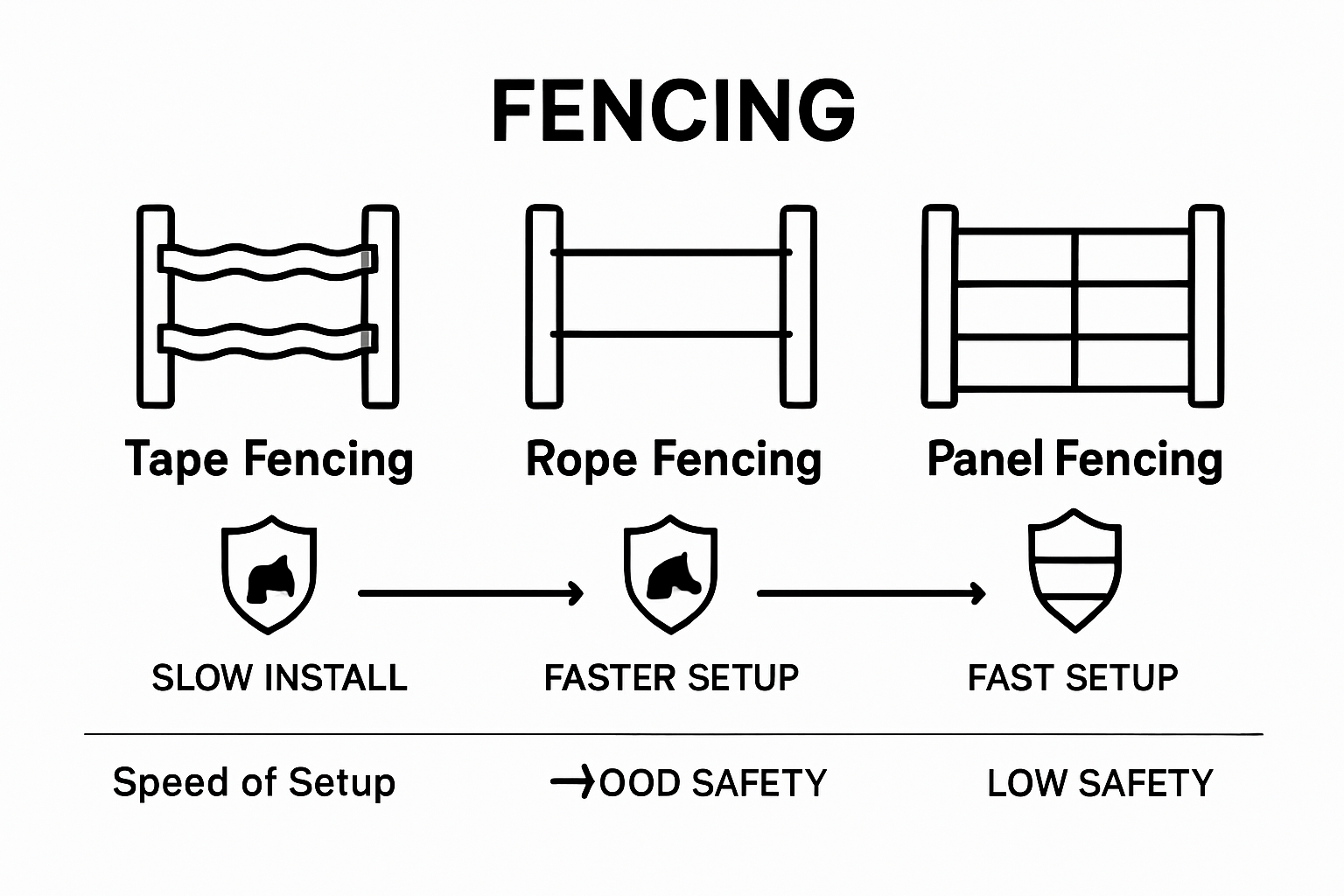
Portable horse fencing encompasses several specialized systems designed to meet diverse equine management needs. Temporary electric fence technologies represent one of the most versatile and popular solutions for horse owners seeking flexible containment options. These systems typically fall into four primary categories: electric tape fencing, rope fencing, panel fencing, and mesh/net fencing, each offering unique advantages for different environmental and management scenarios.
Electric Tape Fencing provides an excellent combination of visibility and deterrence. Constructed from synthetic materials interwoven with conductive wires, these lightweight systems create psychological and physical barriers that effectively prevent horse movement. The visual contrast and electrical pulse discourage horses from challenging the boundary, making them particularly useful for pasture rotation and temporary enclosures. Horses quickly learn to respect these boundaries due to the immediate feedback mechanism.
Key characteristics of portable horse fencing types include:
-
Electric Tape Systems
- Lightweight and easily transportable
- High visibility with bright colors
- Low installation time
- Flexible routing options
-
Panel Fencing
- Rigid metal or polymer construction
- Quick assembly and disassembly
- Ideal for training areas and temporary corrals
- Minimal ground preparation required
-
Rope Fencing
- Economical option
- Relatively lightweight
- Good for temporary boundaries
- Requires periodic tension adjustment
Panel and rope systems offer alternative solutions for horse owners requiring rapid deployment and minimal infrastructure investment. Portable electric livestock fence technologies continue to evolve, providing increasingly sophisticated options that balance safety, convenience, and cost-effectiveness. Smart horse managers understand that selecting the right portable fencing solution depends on specific environmental conditions, horse behavior, and intended use.
Key Features and Design Considerations
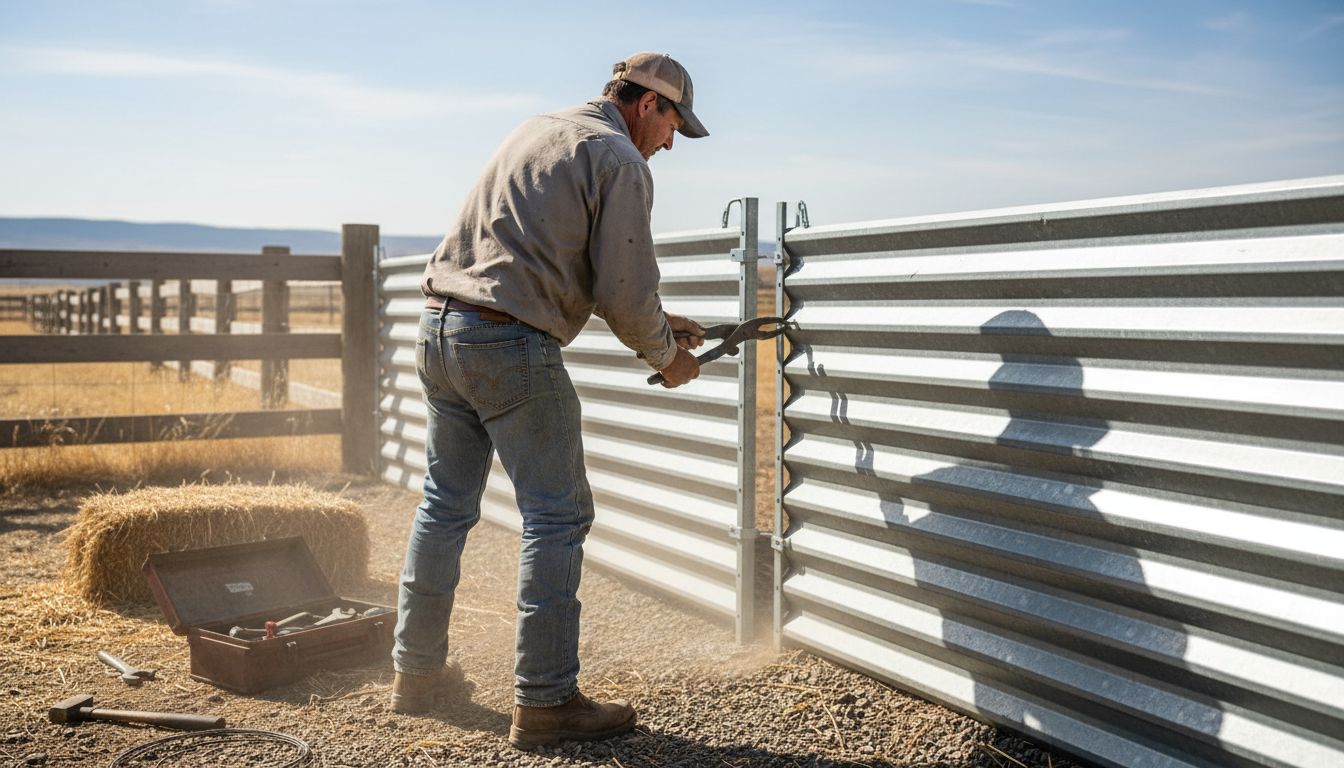
Designing an effective portable horse fencing solution requires careful consideration of multiple critical factors that ensure animal safety, operational efficiency, and long-term reliability. Temporary horse fencing setup strategies highlight the importance of understanding fundamental design principles that protect both the horse and the surrounding environment.
Material Selection plays a pivotal role in portable horse fencing performance. Modern systems incorporate advanced synthetic materials that balance durability, weight, and flexibility. Key material considerations include electrical conductivity, UV resistance, tensile strength, and impact resilience. Horses require fencing that can withstand significant physical stress while maintaining visibility and psychological deterrence. High-quality polymers, fiberglass, and aluminum alloys have emerged as preferred materials, offering lightweight construction without compromising structural integrity.
Critical design features that horse owners must evaluate include:
-
Visibility
- Bright color options
- Contrasting visual patterns
- Reflective elements for low-light conditions
- Clear boundary demarcation
-
Safety Mechanisms
- Breakaway connections
- Smooth edge design
- Minimal sharp contact points
- Electrical pulse regulation
-
Environmental Adaptability
- Corrosion resistance
- Temperature tolerance
- Ground stability features
- Water and moisture protection
Portable electric livestock fence technologies continue to revolutionize equine management by offering increasingly sophisticated design solutions. Successful portable fencing implementation requires a holistic approach that considers horse behavior, terrain characteristics, and specific management objectives. Experienced horse owners understand that no single fencing solution fits all scenarios, emphasizing the need for flexible, adaptable systems that can be customized to unique environmental and operational requirements.
Setup, Use Cases, and Best Practices
Portable horse fencing requires strategic planning and careful implementation to ensure maximum effectiveness and animal safety. Temporary horse fencing setup guide recommendations emphasize the importance of methodical installation and site-specific considerations that go beyond basic boundary creation.
Installation Procedures demand precision and attention to critical details. Horse owners must first assess terrain characteristics, ground composition, and potential environmental challenges before deploying portable fencing systems. Proper ground preparation involves clearing vegetation, ensuring level surfaces, and identifying potential hazard zones. Fundamental setup steps include establishing accurate measurements, creating secure anchor points, maintaining consistent tension, and verifying electrical conductivity for electric fence systems.
Typical use cases for portable horse fencing encompass diverse scenarios:
-
Pasture Management
- Rotational grazing implementation
- Temporary pasture subdivision
- Controlled grazing areas
- Nutrient management strategies
-
Training and Exercise
- Portable round pens
- Temporary training enclosures
- Safe exercise areas
- Rehabilitation zones
-
Emergency and Temporary Housing
- Event management
- Veterinary isolation zones
- Temporary relocation
- Disaster response scenarios
Portable electric livestock fence technologies continue to provide innovative solutions for complex equine management challenges. Best practices include regular system inspections, maintaining proper electrical charge, checking for wear and damage, and adapting configurations to changing environmental conditions. Successful portable fencing implementation requires a dynamic approach that prioritizes horse safety, operational flexibility, and long-term durability.
Safety, Cost, and Common Pitfalls
Portable horse fencing represents a significant investment that requires careful evaluation of safety protocols, financial considerations, and potential implementation challenges. Temporary horse fencing setup guide experts emphasize the critical importance of understanding potential risks and economic implications before deploying any portable fencing solution.
Financial Considerations extend beyond initial purchase price, encompassing long-term maintenance, replacement costs, and potential veterinary expenses associated with improper installation. Horse owners must conduct comprehensive cost-benefit analyses that factor in durability, repair frequency, and system adaptability. Economical solutions often balance upfront expenses with robust construction that minimizes future replacement needs. Typically, investing in higher-quality materials can reduce overall lifecycle costs by preventing horse injuries and minimizing frequent system replacements.
Common pitfalls that horse owners must carefully navigate include:
-
Installation Errors
- Inadequate ground preparation
- Inconsistent tension management
- Poor electrical conductivity
- Insufficient visibility markers
-
Safety Risks
- Sharp edge exposures
- Weak connection points
- Improper grounding techniques
- Inadequate shock regulation
-
Economic Miscalculations
- Underestimating maintenance costs
- Choosing low-quality materials
- Neglecting system inspections
- Failing to account for environmental wear
Portable electric livestock fence technologies continue to evolve, offering increasingly sophisticated solutions that mitigate traditional safety and economic risks. Successful implementation requires a holistic approach that prioritizes horse welfare, financial prudence, and adaptable system design. Experienced horse managers understand that comprehensive risk assessment and proactive management are fundamental to creating safe, cost-effective portable fencing environments.
Discover Portable Horse Fencing Solutions Tailored for Your Needs
Managing horses safely while maintaining flexibility is a constant challenge for every horse owner. Whether you need to set up temporary grazing areas, create quick training enclosures, or respond to emergency situations portable horse fencing offers a solution designed to keep your animals secure without permanent installations. At FenceFast.ca we understand the importance of features like lightweight materials breakaway safety connections and clear visibility to protect your horses and simplify your work.

Explore our extensive range of portable electric fencing systems fencing components and animal management supplies crafted for Canadian farmers ranchers and hobbyists. With expert guidance easy online shopping and nationwide shipping you can instantly equip your property with reliable fencing that adapts to your unique environment and operational goals. Act now and experience the convenience and safety that modern portable horse fencing delivers by visiting FenceFast.ca. Get started with trusted products and advice that empower your animal management today.
Frequently Asked Questions
What are the key benefits of using portable horse fencing?
Portable horse fencing offers several advantages, including rapid deployment in emergencies, the ability to create temporary grazing rotations, reduced infrastructure investment compared to permanent solutions, enhanced safety through flexible designs, and ease of relocation for seasonal land management.
What types of portable horse fencing are available?
The primary types of portable horse fencing include electric tape fencing, rope fencing, panel fencing, and mesh/net fencing. Each type has unique benefits tailored to different horse management needs, such as visibility, rigidity, and ease of setup.
How do I ensure the safety and effectiveness of my portable horse fencing?
To ensure safety and effectiveness, perform proper ground preparation, maintain consistent tension in the fencing, utilize visibility markers, regularly inspect the system for wear and damage, and adapt the setup according to environmental conditions and horse behavior.
What should I consider when choosing materials for portable horse fencing?
Consider durability, weight, electrical conductivity, UV resistance, tensile strength, and impact resilience when selecting materials. High-quality options like synthetic polymers, fiberglass, and aluminum alloys are recommended for maintaining visibility and ensuring structural integrity.

