

Most American farmers know that a determined bear can power through an ordinary electric fence with surprising ease. Keeping livestock safe goes well beyond basic deterrents, especially when dealing with these powerful predators. With over 20,000 bear incidents reported on American properties each year, understanding what truly makes a solar electric fence bear-proof is critical for anyone seeking real protection. Discover how specialized fence designs combine high voltage and strategic placement to safeguard both animals and investments.
Table of Contents
- What Makes a Solar Electric Fence Bear-Proof
- Types of Solar Electric Fencing Systems
- Essential Features for Effective Bear Deterrence
- Installation and Power Considerations for Remote Areas
- Safety, Legal, and Wildlife Compliance Tips
Key Takeaways
| Point | Details |
|---|---|
| Effective Voltage | A bear-proof solar electric fence must maintain a voltage of 5,000 to 7,000 volts to effectively deter bears. |
| Strategic Wire Configuration | Proper placement of multiple wire layers, including a ground wire and several hot wires at varying heights, is crucial for effectiveness. |
| Robust Materials | Use high-tensile, smooth wire and durable components to withstand bear strength and environmental conditions. |
| Legal Compliance | Ensure compliance with safety regulations through professional installation, clear signage, and regular system maintenance. |
What Makes a Solar Electric Fence Bear-Proof
Protecting livestock and property from bears requires more than a standard electric fence. A truly bear-proof solar electric fence demands specialized design considerations that go beyond typical wildlife deterrence systems. The key differences lie in voltage, wire configuration, and strategic placement that create an effective barrier against these powerful predators.
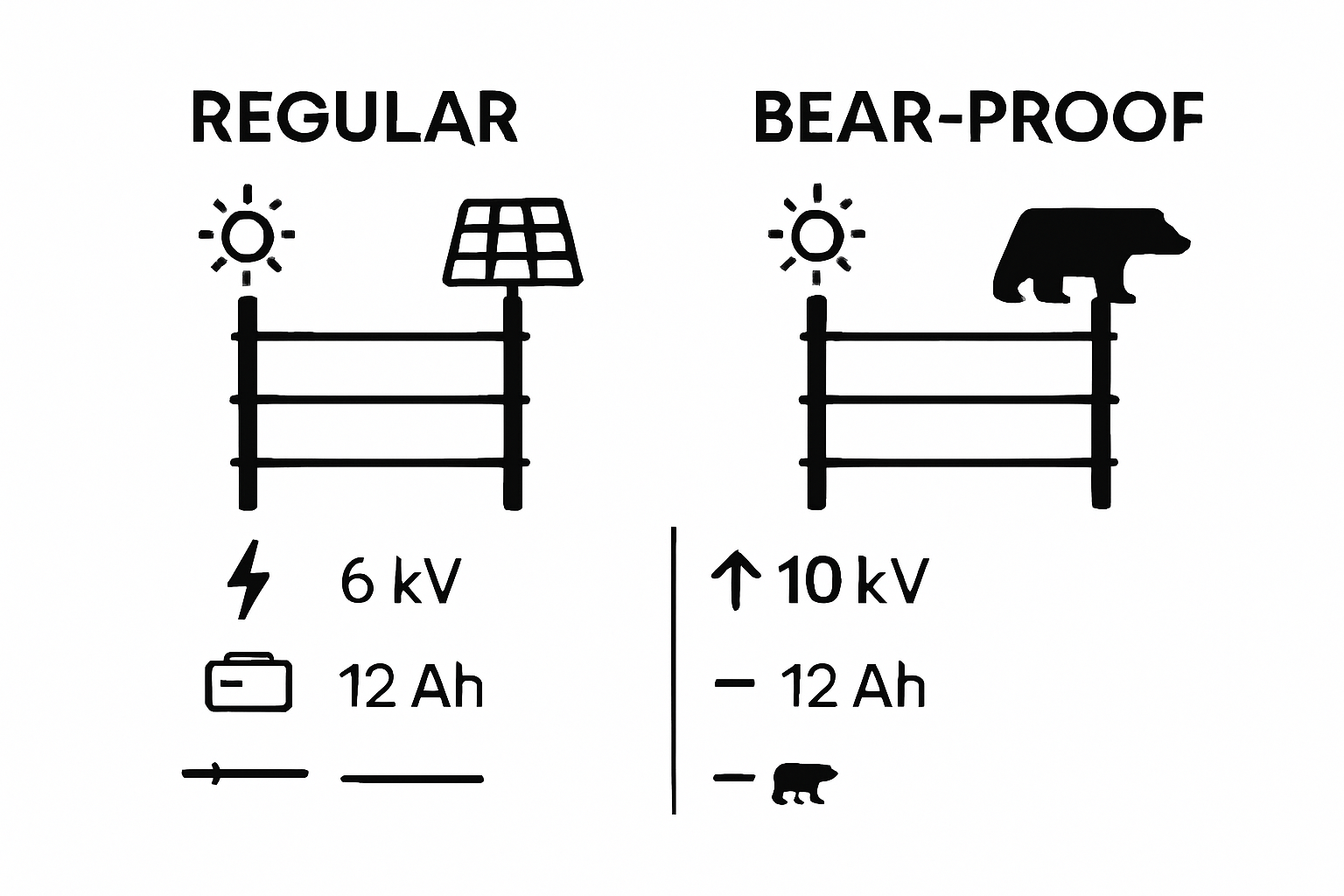
Successful bear-resistant electric fencing relies on several critical technical elements. First, the solar fence must generate a minimum of 5,000 to 7,000 volts consistently, which creates a psychological and physical deterrent powerful enough to discourage bear intrusion. Solar fencing strategies detailed in our comprehensive guide emphasize the importance of maintaining high, uniform electrical pulse intensity across the entire fence perimeter. This means using robust solar chargers designed specifically for high-energy output and consistent performance in challenging outdoor conditions.
The physical structure of a bear-proof electric fence involves multiple strategic wire placements. Typical configurations include:
- A ground wire positioned 6-8 inches above ground level
- A first hot wire placed at approximately 12-15 inches high
- Additional hot wires spaced every 8-10 inches vertically
- Smooth, non-climbing wire materials that prevent bear grip
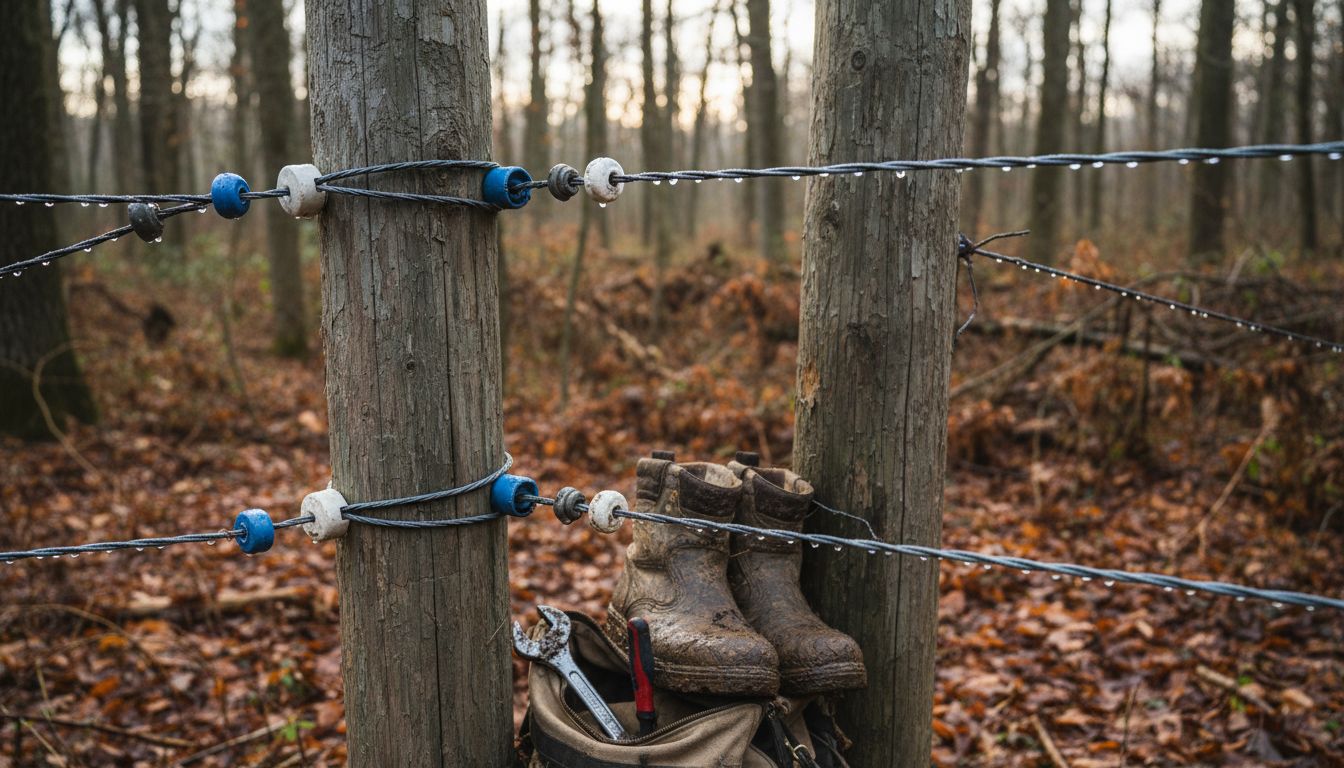
Additional critical factors include selecting robust insulators resistant to bear strength, using high-tensile wire that can withstand significant physical pressure, and ensuring consistent electrical current through reliable solar charging systems. Proper grounding becomes paramount, as ineffective grounding can reduce shock effectiveness and compromise the entire fence’s protective capabilities.
Types of Solar Electric Fencing Systems
Solar electric fencing systems have evolved significantly, offering diverse solutions for wildlife management and agricultural protection. These systems are designed to provide reliable, grid-independent electrical barriers that can be customized for specific environmental and security needs. Advanced solar fencing technologies leverage independent power generation capabilities that make them incredibly versatile across different terrains and remote locations.
Primary types of solar electric fencing systems include:
- Permanent Standalone Systems: Ideal for long-term agricultural and wildlife protection
- Portable Temporary Systems: Perfect for seasonal or mobile fencing requirements
- Hybrid Grid-Connected Systems: Offering backup power and consistent electrical output
- Remote Area Protection Systems: Designed for wilderness and hard-to-access locations
Each solar electric fencing system comprises critical components that ensure effective performance. These typically include high-efficiency solar photovoltaic panels, robust battery storage units, specialized energizers that convert stored energy into high-voltage pulses, and carefully configured wire configurations. The solar panels capture sunlight and convert it into electrical energy, which is then stored in sealed batteries and discharged through the fence wires as short, deterrent electrical pulses.
The selection of a specific solar electric fencing system depends on multiple factors such as terrain, anticipated wildlife pressure, installation duration, and power requirements. Professional assessment of these variables helps determine the most appropriate system configuration, ensuring maximum effectiveness and long-term reliability for bear and wildlife management strategies.
Essential Features for Effective Bear Deterrence
Deterring bears requires a sophisticated approach that goes beyond simple electrical barriers. Effective bear deterrence demands a comprehensive system that combines psychological and physical obstacles designed to prevent wildlife intrusion. Solar electric fencing solutions provide a dynamic, adaptable method for protecting agricultural and residential spaces from potentially dangerous bear encounters.
Key features of an advanced bear-deterrent electric fence include:
- Voltage Intensity: Minimum 5,000 to 7,000 volts to create significant psychological barrier
- Wire Configuration: Multiple wire layers positioned at strategic heights
- Conductor Quality: High-tensile, smooth wire preventing bear climbing
- Consistent Electrical Pulse: Short, sharp shock intervals that startle without causing permanent harm
- Robust Grounding System: Ensuring maximum electrical effectiveness
Material selection plays a critical role in bear deterrence effectiveness. Fence components must withstand extreme environmental conditions and bear strength, utilizing corrosion-resistant metals, UV-stabilized insulators, and weatherproof solar charging systems. Proper installation becomes equally important, with precise wire spacing, tension, and grounding techniques that create an impenetrable psychological and physical barrier against wildlife intrusion. Professional assessment and periodic maintenance ensure the continued reliability of these sophisticated deterrence systems.
Installation and Power Considerations for Remote Areas
Solar electric fencing systems represent a critical solution for wildlife management in isolated and challenging terrains. Strategic solar panel placement is fundamental to ensuring consistent power generation in remote locations where traditional electrical infrastructure remains unavailable. These systems must be engineered to overcome significant environmental challenges, including limited sunlight, extreme temperatures, and unpredictable weather conditions.
Key considerations for remote area solar electric fence installation include:
- Solar Panel Orientation: Maximize direct sunlight exposure
- Battery Storage Capacity: Ensure 48-72 hours of backup power
- Weatherproof Components: Use marine-grade and UV-resistant materials
- Redundant Power Systems: Implement multiple charging and backup mechanisms
- Terrain-Adaptive Mounting: Design flexible installation approaches
Power management becomes the most critical aspect of remote solar electric fencing. Advanced systems utilize high-efficiency photovoltaic modules combined with sealed gel or lithium battery technologies that can maintain electrical charge during extended periods of reduced sunlight. Specialized energizers convert stored energy into consistent, high-voltage pulses, creating a reliable deterrent for wildlife while operating independently from grid power. Professional installers typically recommend comprehensive site assessments to determine optimal solar panel positioning, ground conditions, and potential environmental interference factors that might compromise the fence’s effectiveness.
Safety, Legal, and Wildlife Compliance Tips
Implementing solar electric fencing for wildlife management requires careful consideration of legal and ethical standards. Understanding professional installation requirements is crucial for maintaining safety and compliance, ensuring both human and animal protection while minimizing potential legal risks.
Critical safety and compliance considerations include:
- Professional Certification: Ensure installations by qualified electric fence technicians
- Proper Signage: Post clear warning signs about electrical hazards
- Wildlife Impact Assessment: Evaluate potential ecological consequences
- Voltage Regulation: Maintain shock intensity that deters without causing permanent harm
- Regular Maintenance: Conduct periodic system inspections and performance checks
- Environmental Adaptation: Design systems that minimize unintended wildlife interactions
Beyond technical requirements, responsible electric fencing demands a holistic approach to wildlife management. This means understanding local regulations, ecological sensitivities, and implementing systems that create safe boundaries without causing unnecessary suffering. Professional installers must balance effective deterrence with ethical considerations, using technologies that protect human interests while respecting wildlife conservation principles. Comprehensive documentation, regular system audits, and adaptive management strategies are essential for maintaining legal and environmental compliance in solar electric fencing deployments.
Secure Your Property with the Best Bear-Proof Solar Electric Fencing Solutions
Facing the challenge of keeping bears safely away from your livestock and property demands more than ordinary fencing. As the article highlights, achieving effective bear deterrence requires a high-voltage solar electric fence with multiple wire layers, strong grounding, and durable components that deliver a consistent and powerful shock without harm. If you are looking for reliable, long-lasting, and scientifically designed fencing options tailored to withstand the strength and persistence of bears, you need expert solutions crafted for Canadian rural conditions.

At FenceFast.ca, we understand the urgency of protecting your farm or land with fencing systems that perform in remote locations using solar power technology optimized for wildlife deterrence. Our extensive selection of high-quality electric fencing components, solar panels, power supplies, and accessories are exactly what you need to build a secure, bear-proof perimeter that complies with safety and wildlife regulations. Explore our trusted products and benefit from expert advice and nationwide shipping to get your project started today. Don’t let bears threaten your livelihood. Visit FenceFast.ca now and take the first step towards dependable protection.
Frequently Asked Questions
What are the key features of a bear-proof solar electric fence?
A bear-proof solar electric fence should have a voltage intensity of at least 5,000 to 7,000 volts, multiple wire layers positioned at strategic heights, high-tensile wire to prevent bears from climbing, and a robust grounding system to ensure maximum electrical effectiveness.
How should I place the solar panels for the best performance?
To maximize performance, solar panels should be oriented to receive direct sunlight and installed at an angle that enhances exposure throughout the day. It’s essential to consider potential shading from trees or structures that might obstruct sunlight.
What type of battery storage is best for solar electric fencing?
High-capacity sealed gel or lithium batteries are recommended for solar electric fencing. They should provide sufficient backup power, ideally for 48-72 hours, to ensure the fence remains operational during periods of low sunlight.
How often should I maintain my solar electric fence system?
Regular maintenance is crucial for optimal performance. It’s recommended to conduct system inspections and performance checks at least once every few months, ensuring all components, including wiring and grounding, are functioning effectively.

