

Over 50 percent of American farmers now use portable wire fencing as a practical solution for changing livestock needs. With agriculture constantly evolving, portability is no longer a luxury but a necessity for effective land management. This guide clears up common myths and lays out the basics, helping both new and experienced American producers get the most from these adaptable fencing systems while avoiding costly mistakes.
Table of Contents
- Portable Wire Fence Basics And Common Myths
- Types Of Portable Wire Fencing Systems
- Key Features And Installation Process
- Top Uses For Livestock And Land Management
- Cost Considerations And Maintenance Needs
- Avoiding Common Mistakes And Drawbacks
Key Takeaways
| Point | Details |
|---|---|
| Portable Wire Fences Are Versatile and Efficient | These systems offer easy deployment and adaptability for various agricultural needs, helping enhance livestock management strategies. |
| Common Myths Are Misleading | Misconceptions about the reliability and complexity of portable wire fencing can prevent farmers from utilizing these effective tools. |
| Cost and Maintenance Are Key Considerations | Selecting high-quality materials can lead to long-term savings, emphasizing the importance of a proactive maintenance strategy. |
| Proper Installation Is Crucial | Avoiding common mistakes during installation ensures optimal performance and reliability of the fencing system. |
Portable Wire Fence Basics and Common Myths
Portable wire fences represent a flexible and dynamic solution for agricultural management, offering farmers and ranchers an adaptable tool for livestock containment and pasture control. Understanding the fundamental mechanics and dispelling common misconceptions is crucial for effective implementation. Temporary electric fencing materials have evolved significantly, providing farmers with lightweight, portable options that can transform land management strategies.
At the core of portable wire fencing are key components designed for quick deployment and mobility. Most systems utilize polywire or polytape materials that combine electrical conductivity with lightweight design. These materials are constructed from interwoven metal strands and synthetic fibers, creating a robust yet flexible barrier that can be easily moved and reconfigured. Electric fence components typically include conductive wires, insulators, and portable posts that enable rapid setup across different terrains and agricultural environments.
Despite their versatility, several persistent myths surround portable wire fencing that can discourage farmers from utilizing these effective tools. One common misconception is that temporary electric fences are weak or unreliable. In reality, when properly installed and maintained, these fences provide robust containment and can effectively manage livestock movement. Another myth suggests that portable wire fences are complicated to set up. Modern designs have simplified installation, with most systems requiring minimal technical skills and allowing farmers to quickly establish boundaries without extensive labor.
- Quick to deploy
- Highly adaptable to different terrain
- Lightweight and portable
- Cost-effective compared to permanent fencing
- Minimal installation requirements
Choosing the right portable wire fence depends on specific agricultural needs, livestock types, and terrain characteristics. Farmers should consider factors like wire conductivity, post durability, and ease of movement when selecting a system that matches their unique operational requirements.
Types of Portable Wire Fencing Systems
Portable wire fencing systems offer agricultural professionals a versatile range of solutions designed to meet diverse livestock management needs. Portable electric fencing technologies have dramatically evolved, providing farmers with innovative options that can be quickly deployed and reconfigured across different agricultural environments. The primary goal of these systems is to provide flexible, efficient, and cost-effective containment strategies for livestock and pasture management.
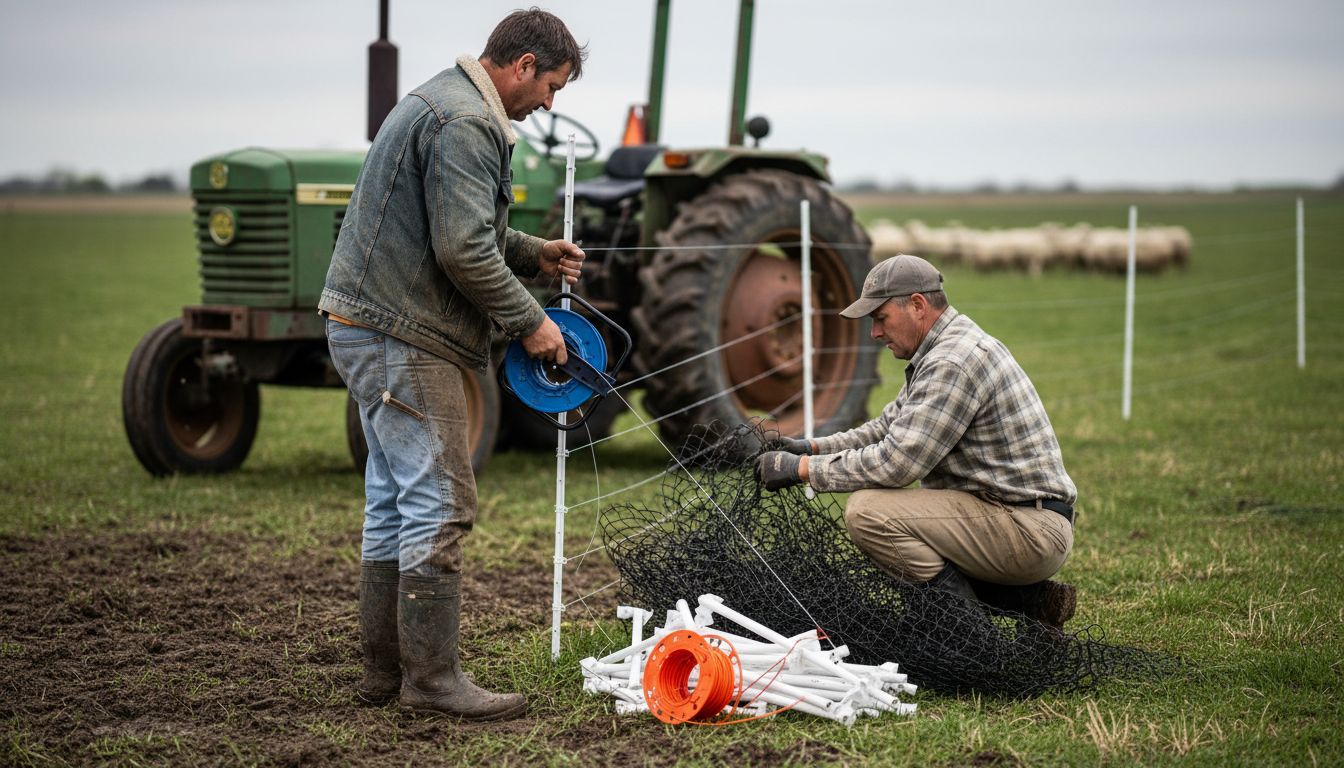
The most common types of portable wire fencing include polywire, polytape, and electric netting systems. Wire selection for electric fencing depends on specific agricultural requirements, with each material offering unique advantages. Polywire, typically constructed from thin conductive wires woven with synthetic materials, provides lightweight and easily movable fencing. Polytape offers broader visibility and enhanced conductivity, making it ideal for horses and larger livestock. Electric netting represents a comprehensive solution, combining vertical and horizontal wire configurations that create an integrated barrier system.
Advanced portable wire fencing systems now incorporate sophisticated features to enhance functionality. Some modern designs include automatic gate release timers and tumblewheels that facilitate rapid fence repositioning. These innovative components allow farmers to quickly adjust pasture boundaries, rotate grazing areas, and manage livestock movement with minimal effort. Additional technological integrations like solar-powered energizers and remote monitoring capabilities have further expanded the utility of portable wire fencing systems.
- Lightweight and easy to transport
- Quick installation and removal
- Adaptable to various terrain types
- Minimal infrastructure requirements
- Cost-effective compared to permanent fencing
Selecting the appropriate portable wire fencing system requires careful consideration of livestock type, pasture characteristics, and specific agricultural management goals. Farmers should evaluate factors such as conductivity, durability, visibility, and ease of deployment when choosing a system that meets their unique operational needs.
Key Features and Installation Process
Temporary electric fencing installation requires careful planning and understanding of key components that ensure effective livestock management. The primary features of portable wire fencing systems include flexibility, ease of deployment, and adaptability to various agricultural environments. Farmers need to consider multiple factors when selecting and implementing these dynamic fencing solutions, including terrain, livestock type, and specific management objectives.
The core components of a successful portable wire fence system involve several critical elements. Fence posts serve as the fundamental structural support, with modern designs offering lightweight, portable options that can be quickly inserted into different ground types. Conductive wires or polytapes create the actual barrier, utilizing materials that provide both electrical conductivity and durability. Rotational grazing system setup emphasizes the importance of selecting high-quality materials that can withstand environmental challenges while maintaining consistent performance.
Installation of a portable wire fence follows a strategic process that requires precision and attention to detail. Farmers should begin by carefully mapping the intended fence area, identifying potential obstacles and ensuring proper ground conditions. Key installation steps include:
- Clear the proposed fence line of debris and vegetation
- Install ground anchor posts at regular intervals
- Connect conductive wires or polytapes securely
- Test electrical conductivity and tension
- Verify grounding system effectiveness
Additional considerations for successful deployment include:
- Maintaining consistent wire tension
- Checking for electrical continuity
- Protecting against environmental wear
- Ensuring proper insulation at connection points
- Regular maintenance and inspection
Successful portable wire fencing implementation requires a combination of technical knowledge, careful planning, and ongoing maintenance. Farmers who invest time in understanding the nuanced requirements of these systems can create flexible, efficient livestock management solutions that adapt to changing agricultural needs.
Top Uses for Livestock and Land Management
Portable electric fencing applications have revolutionized agricultural management, providing farmers with flexible solutions for complex livestock and land management challenges. These versatile systems offer unprecedented control and efficiency across various agricultural settings, enabling producers to optimize land use, manage animal movements, and enhance overall farm productivity. The adaptability of portable wire fences makes them an essential tool for modern agricultural operations.
One of the most critical uses of portable wire fencing is rotational grazing, a strategic approach that maximizes pasture health and livestock nutrition. Labor reduction in livestock management becomes significantly more achievable through these dynamic fencing systems, allowing farmers to quickly divide pastures, control grazing patterns, and prevent overgrazing. The ability to rapidly reconfigure fence lines enables producers to implement sophisticated grazing strategies that promote soil regeneration, improve grass quality, and support animal health.
Portable wire fencing systems serve multiple strategic purposes beyond basic livestock containment. Farmers utilize these flexible barriers for:
- Creating temporary holding areas
- Isolating sick or pregnant animals
- Protecting sensitive crop areas
- Managing wildlife interactions
- Establishing emergency containment zones
- Facilitating breeding and animal sorting
Additional specialized applications include:
- Predator protection for vulnerable livestock
- Protecting riparian zones and sensitive ecological areas
- Establishing temporary boundaries during land restoration projects
- Managing invasive plant species through controlled grazing
- Supporting precision agriculture techniques
Successful implementation requires understanding each unique agricultural context and selecting portable wire fencing solutions that align with specific management objectives. By embracing these flexible technologies, farmers can create more responsive, efficient, and sustainable agricultural systems that adapt to changing environmental and operational demands.
Cost Considerations and Maintenance Needs
Portable electric fencing materials evaluation reveals the critical importance of understanding both initial investment and long-term maintenance expenses for agricultural wire fencing systems. Farmers must carefully balance upfront costs with durability, performance, and potential replacement frequencies to make informed financial decisions. The total cost of ownership extends far beyond the initial purchase price, encompassing installation, maintenance, and potential replacement expenses.
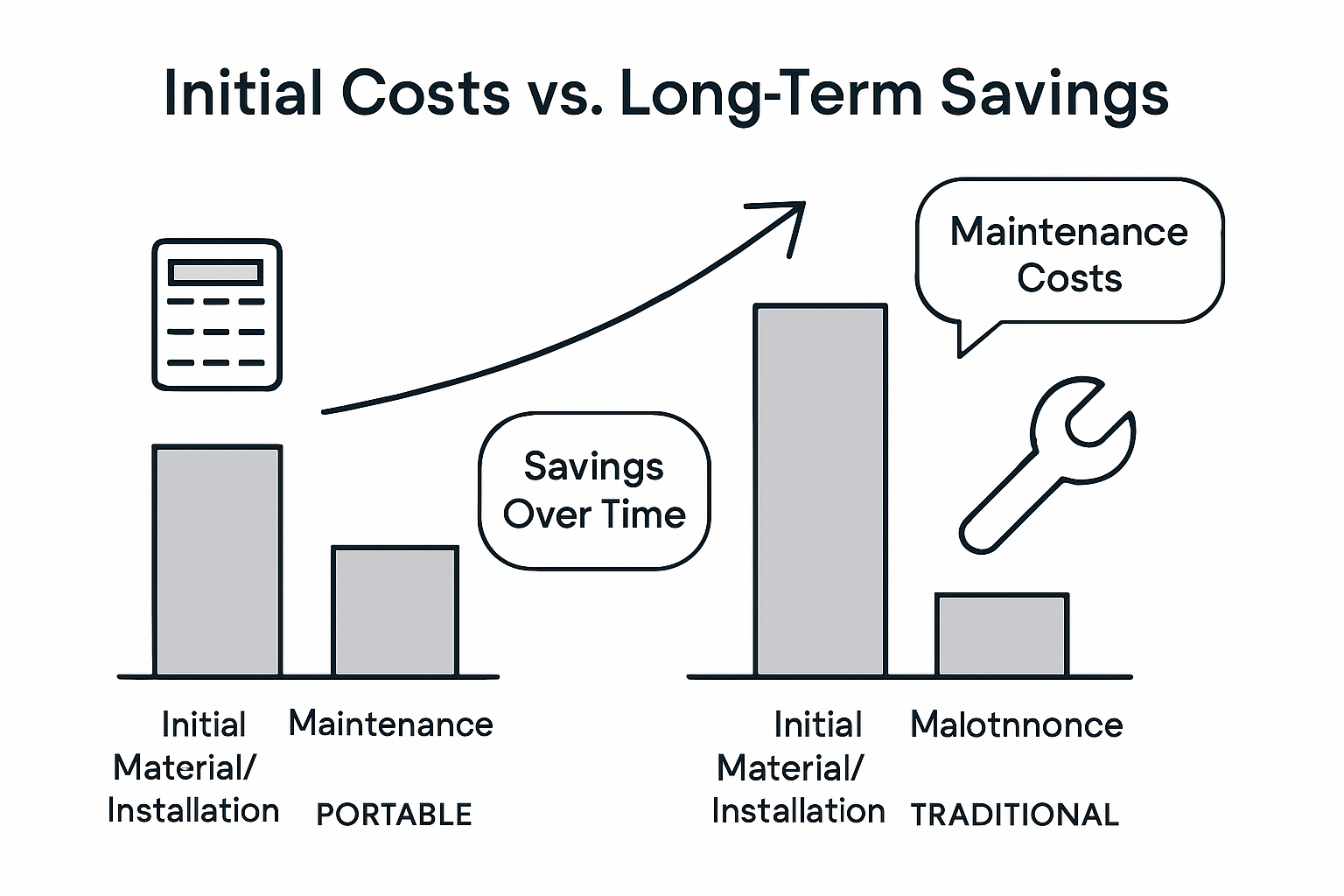
Material selection plays a pivotal role in determining both initial investment and ongoing maintenance requirements. Temporary electric fence material durability suggests that higher-quality materials, while potentially more expensive initially, can significantly reduce long-term maintenance costs. Polywire and polytape options range from budget-friendly to premium versions, with pricing typically influenced by conductivity, UV resistance, and overall material strength.
Key cost and maintenance considerations include:
- Initial material purchase price
- Installation labor expenses
- Frequency of replacement
- Electrical component durability
- Weather resistance capabilities
Maintenance best practices for minimizing ongoing expenses:
- Regular electrical system checks
- Cleaning and storing components properly
- Protecting against environmental damage
- Replacing worn or damaged sections promptly
- Implementing preventative maintenance schedules
Economic analysis suggests that investing in high-quality portable wire fencing systems can yield significant long-term savings. Farmers who prioritize robust materials and consistent maintenance can reduce overall agricultural infrastructure costs while maintaining effective livestock management strategies. Careful selection and proactive care transform portable wire fencing from a simple expense into a strategic agricultural investment.
Avoiding Common Mistakes and Drawbacks
Temporary electric fencing implementation requires careful attention to potential pitfalls that can compromise system effectiveness. Farmers often encounter challenges that, if not addressed proactively, can significantly reduce the performance and reliability of portable wire fencing systems. Understanding these common mistakes is crucial for maintaining optimal livestock management and preventing costly errors.
One of the most critical installation errors involves improper grounding and electrical connectivity. Rotational grazing system challenges frequently stem from inadequate electrical system design, which can lead to reduced fence effectiveness and potential livestock escape scenarios. Common technical mistakes include:
- Insufficient ground rod installation
- Incorrect wire tension
- Poor electrical conductivity
- Inadequate voltage maintenance
- Inconsistent power supply
Potential drawbacks that farmers must vigilantly address:
- Voltage drop in extensive fence lines
- Material degradation from environmental exposure
- Inconsistent livestock behavior management
- Unexpected maintenance interruptions
- Compromised containment integrity
Preventative strategies to mitigate potential issues include:
- Regular voltage testing
- Thorough visual inspection
- Immediate repair of damaged components
- Seasonal maintenance schedules
- Professional system evaluation
Successful portable wire fencing management requires a proactive approach that anticipates potential challenges. By understanding common mistakes and implementing strategic maintenance protocols, farmers can create robust, reliable livestock containment systems that maximize agricultural efficiency and animal safety.
Discover Flexible Fencing Solutions for Your Agricultural Needs
Managing livestock effectively with portable wire fencing means overcoming challenges like quick installation, durable materials, proper grounding, and adapting to varied terrains. As highlighted in the article, common pain points include concerns about fence reliability, labor intensity, and balancing cost with long-term maintenance. Whether you need polywire, polytape, electric netting, or complete electric fencing systems, having access to high-quality components and expert advice is vital for success.
At FenceFast.ca, we specialize in supplying Canadian farmers and ranchers with a wide range of fencing materials and animal management tools tailored to these very challenges. Our inventory includes everything from conductive wires and portable posts to solar-powered energizers and connectors that ensure your temporary electric fence is both powerful and easy to deploy. With nationwide shipping and support, your fencing setup can be as flexible and efficient as the article recommends.
Explore our comprehensive fencing components and electric fencing solutions to equip your farm with the tools needed to implement effective rotational grazing, livestock containment, and pasture management strategies.

Take control of your land and livestock management by choosing expert-recommended fencing supplies today. Visit FenceFast.ca now and benefit from quality products built to last, expert knowledge, and a shopping experience designed just for agricultural professionals.
Frequently Asked Questions
What are the key components of a portable wire fence?
The key components of a portable wire fence include fence posts, conductive wires or polytapes, insulators, and electrical energizers. These elements work together to create a flexible and effective containment system for livestock.
How do I install a portable wire fence?
Installing a portable wire fence involves clearing the proposed fence line, setting up ground anchor posts, securely connecting conductive wires or polytapes, testing electrical conductivity, and verifying the grounding system’s effectiveness.
What are the different types of portable wire fencing systems available?
The most common types of portable wire fencing systems include polywire, polytape, and electric netting. Each material has its unique advantages, such as visibility, conductivity, and ease of movement.
What are some advantages of using portable wire fences for livestock management?
Portable wire fences are quick to deploy, highly adaptable to different terrains, lightweight, cost-effective compared to permanent fencing, and require minimal installation efforts, making them ideal for modern agricultural practices.

