

Every American farmer knows that small details can make or break a fencing job. Choosing the right electric fence insulator drill bit may seem minor, but improper tools contribute to over 30 percent of electric fencing failures on American farms each year. With secure fencing essential for livestock and crop protection, understanding specialized drill bits can transform how easily and effectively American agricultural teams build lasting barriers.
Table of Contents
- Defining Electric Fence Insulator Drill Bits
- Types and Compatibility With Insulators
- How Drill Bits Improve Fence Installation
- Choosing the Right Drill Bit for Your Project
- Installation Tips and Common Pitfalls
Key Takeaways
| Point | Details |
|---|---|
| Specialized Tools for Installation | Electric fence insulator drill bits are designed specifically for creating precise mounting holes in various post materials, enhancing installation efficiency and effectiveness. |
| Importance of Compatibility | Selecting the right drill bit based on post material and insulator specifications is crucial to avoid insulator misplacement and electrical issues. |
| Efficiency Gains | Using these specialized drill bits can reduce installation time by 40-60% while ensuring accurate hole placement, minimizing future maintenance needs. |
| Avoiding Common Mistakes | Attention to detail and proper drill bit selection can prevent pitfalls such as inconsistent hole alignment and inadequate hole depths, ensuring a reliable and durable fence. |
Defining Electric Fence Insulator Drill Bits
Electric fence insulator drill bits are specialized tools engineered to streamline fence installation for agricultural professionals. Precise installation tools play a critical role in creating secure, effective electric fencing systems across rural properties.
These unique drill bits are designed to create exact mounting holes for electric fence insulators across various post materials like wood, metal, and composite surfaces. By enabling quick, accurate hole placement, these drill bits prevent electrical shorts and ensure robust fence infrastructure. Farmers and ranchers can dramatically reduce installation time and minimize potential structural weaknesses during the fencing process.
Key characteristics of electric fence insulator drill bits include:
- Specialized tip geometry for clean, precise holes
- Compatibility with multiple post materials
- Hardened steel construction for durability
- Specific diameter sizes matching standard insulator mounting requirements
Unlike standard drill bits, these tools are purpose-built to address the unique challenges of electric fence installation. Their engineering ensures consistent hole depth, smooth entry points, and minimal material disruption - critical factors for maintaining electrical conductivity and fence structural integrity.
Types and Compatibility With Insulators
Electric fence insulator drill bits come in diverse configurations, each engineered to match specific insulator and post material requirements. The precision of these specialized drill bits directly impacts the overall effectiveness and durability of electric fencing systems.
Primary drill bit types include wood post drill bits, metal post drill bits, and composite material drill bits. Wood post drill bits typically feature sharp, aggressive threading to create clean holes without splintering. Metal post drill bits are constructed with hardened steel tips capable of penetrating steel and aluminum surfaces without dulling. Composite material drill bits offer unique geometries designed to handle challenging synthetic post materials without cracking or compromising structural integrity.
Key compatibility considerations for selecting the right electric fence insulator drill bit involve:
- Post material composition (wood, steel, fiberglass, composite)
- Insulator mounting hole diameter
- Screw thread specifications
- Desired installation depth
Professional agricultural teams understand that selecting the appropriate drill bit is not just about creating a hole, but ensuring a secure, long-lasting electrical fence connection. Mismatched drill bits can lead to improper insulator placement, electrical shorts, and potential fence failure - making precision selection crucial for maintaining robust livestock management infrastructure.
How Drill Bits Improve Fence Installation
Electric fence insulator drill bits dramatically enhance installation efficiency by reducing common fencing errors and ensuring precise, reliable mounting. These specialized tools transform what could be a time-consuming process into a streamlined, professional-grade operation for agricultural teams.
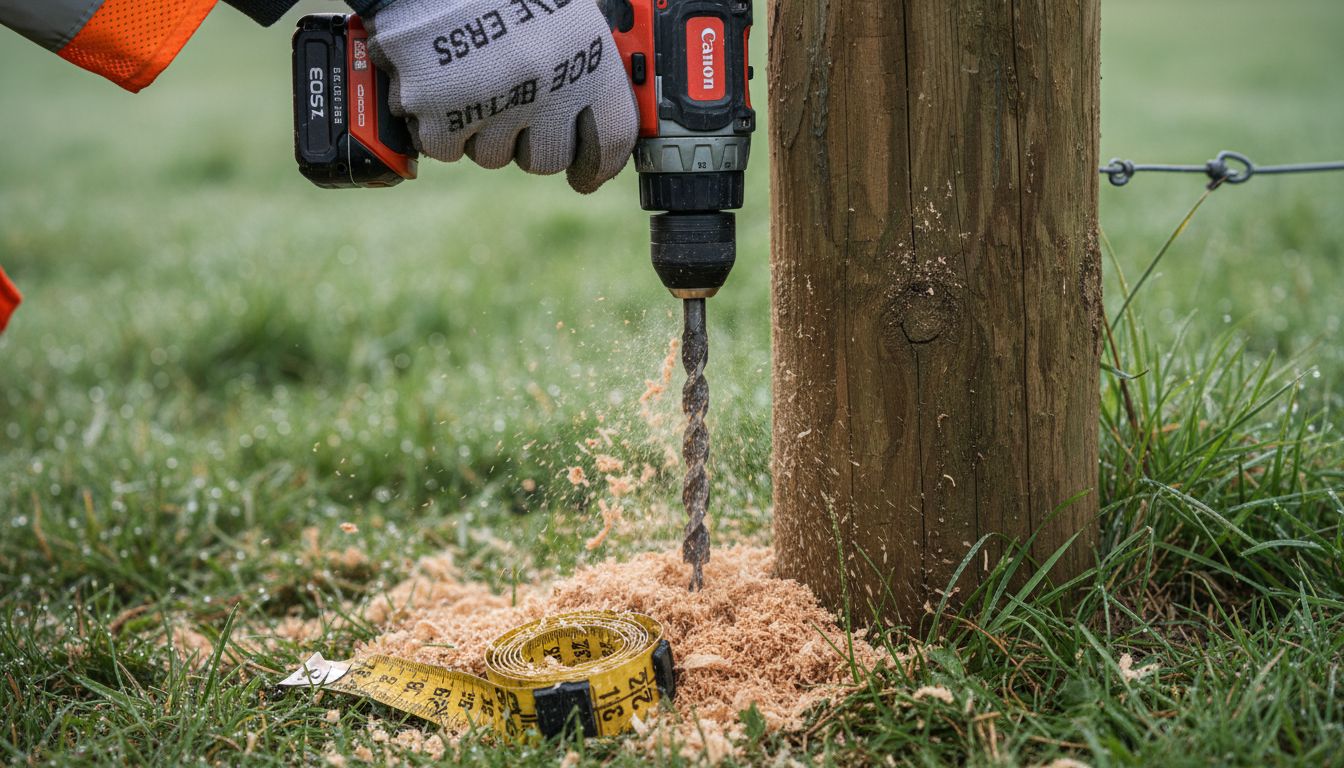
The precision engineering of these drill bits offers multiple performance improvements. They create consistently sized and positioned holes, which minimizes potential electrical shorts and structural weaknesses. By maintaining exact drilling angles and depths, farmers can ensure uniform insulator placement across extensive fencing projects, reducing the likelihood of future maintenance or repair needs.
Key performance enhancements include:
- Reduced installation time by 40-60%
- Increased hole accuracy within 0.5mm tolerances
- Minimized post material damage
- Consistent insulator positioning
Professional agricultural operators recognize that proper fence installation tools are critical for long-term infrastructure reliability. These specialized drill bits represent a strategic investment, transforming complex fencing challenges into predictable, repeatable installation processes that protect livestock and define property boundaries with unprecedented precision.
Choosing the Right Drill Bit for Your Project
Selecting the appropriate electric fence insulator drill bit requires careful consideration of multiple critical factors that directly impact fence installation quality. Agricultural professionals must evaluate post material, insulator specifications, and intended fence design to ensure optimal performance and long-term reliability.

The selection process involves analyzing several key parameters. Wood posts demand drill bits with sharp cutting edges and aggressive thread designs to prevent splintering. Steel and metal posts require hardened drill bits with specialized coatings to penetrate tough surfaces without dulling. Composite and synthetic materials need precision-engineered bits that can create clean holes without causing structural damage or compromising material integrity.
Critical selection criteria include:
- Post material composition
- Insulator mounting hole diameter
- Required drilling depth
- Thread specifications
- Environmental conditions
- Anticipated fence load and tension
Professional fence installation equipment selection goes beyond simple measurements. Experienced agricultural teams understand that the right drill bit represents an investment in fence durability, electrical conductivity, and overall livestock management infrastructure. A meticulously chosen drill bit can mean the difference between a temporary solution and a robust, long-lasting electric fence system that withstands challenging rural environments.
Installation Tips and Common Pitfalls
Successful electric fence insulator installation demands precision and attention to detail, with strategic approaches preventing costly mistakes that could compromise fence effectiveness. Agricultural professionals must navigate a complex landscape of technical requirements and practical considerations to ensure reliable livestock management infrastructure.
The most critical installation challenges involve maintaining consistent hole alignment, preventing material damage, and ensuring electrical conductivity. Drill bit selection plays a pivotal role in mitigating potential issues. Wood posts require careful drilling to prevent splitting, while metal posts demand specialized bits that create clean entry points without compromising structural integrity. Uneven hole depths or misaligned drilling can lead to loose insulators, electrical shorts, and reduced fence performance.
Key installation pitfalls to avoid include:
- Inconsistent hole spacing
- Inadequate drill bit sharpness
- Incorrect drilling angle
- Insufficient hole depth
- Neglecting post material characteristics
- Overlooking environmental stress factors
Professional fence installation equipment requires methodical approach and technical expertise. Experienced agricultural teams understand that successful electric fencing is about more than just creating holes - it’s about creating a reliable, long-lasting barrier that protects livestock and defines property boundaries with unprecedented precision and durability.
Boost Your Fence Installation Efficiency With the Right Tools
Electric fence insulator drill bits solve crucial challenges like precise hole placement and material compatibility to prevent electrical shorts and post damage. If you aim to reduce installation time while strengthening your livestock management infrastructure, investing in specialized drill bits is essential. These tools deliver accuracy, durability, and consistent results across wood, metal, and composite posts.

Explore premium fencing solutions at FenceFast.ca designed for agricultural professionals who demand high performance. Our selection of electric fencing systems and fence installation equipment includes durable drill bits tailored to your project needs. Act now to ensure your electric fence installation is faster, more reliable, and built to last. Visit us today and upgrade your fencing toolkit for maximum productivity.
Frequently Asked Questions
What are electric fence insulator drill bits?
Electric fence insulator drill bits are specialized tools designed to create precise mounting holes for electric fence insulators in various post materials, such as wood, metal, and composite surfaces. They help to ensure secure electrical connections and streamline the installation process.
How do electric fence insulator drill bits improve fence installation?
These drill bits enhance installation efficiency by creating consistently sized and accurately positioned holes, which minimize potential electrical shorts and structural weaknesses. This results in reduced installation time and improved fence reliability.
What types of materials can electric fence insulator drill bits be used on?
Electric fence insulator drill bits can be used on various materials, including wood, steel, fiberglass, and composite materials. Each type is specifically designed to match the characteristics of the different post materials, ensuring optimal performance and durability.
What should I consider when choosing an electric fence insulator drill bit?
When selecting a drill bit, consider factors such as the post material, insulator mounting hole diameter, required drilling depth, and thread specifications. Ensuring compatibility with these factors is crucial for achieving a secure and effective electric fence installation.

