

Over seventy percent of American farmers now choose solar technology to power their electric fences, seeking cleaner energy and lower costs. Keeping cattle safely inside their boundaries while protecting valuable property matters more than ever for the American agricultural industry. Discover how solar electric fence chargers deliver reliable, eco-friendly security with minimal maintenance, making animal management easier and more efficient than traditional fencing systems.
Table of Contents
- What Is A Solar Electric Fence Charger?
- Types Of Solar Fence Chargers For Cattle
- How Solar Fence Chargers Operate
- Installation Tips And Optimal Setup
- Maintenance Needs And Troubleshooting Issues
- Common Mistakes And How To Avoid Them
Key Takeaways
| Point | Details |
|---|---|
| Effective Barrier | Solar electric fence chargers provide a reliable way to contain cattle and protect agricultural properties without relying on traditional power sources. |
| Operational Components | The system consists of a solar panel, rechargeable battery, and energizer, all essential for its effective functioning. |
| Minimal Maintenance | These chargers require less maintenance compared to conventional electric fencing systems, making them ideal for remote locations. |
| Environmental Benefits | Utilizing renewable solar energy makes solar electric fence chargers an environmentally friendly alternative to traditional fencing methods. |
What Is a Solar Electric Fence Charger?
A solar electric fence charger is an innovative livestock management technology that converts sunlight into electrical energy to power perimeter fencing systems. These specialized devices utilize solar technology to create an effective barrier for containing cattle and protecting agricultural properties without relying on traditional electrical grid connections.
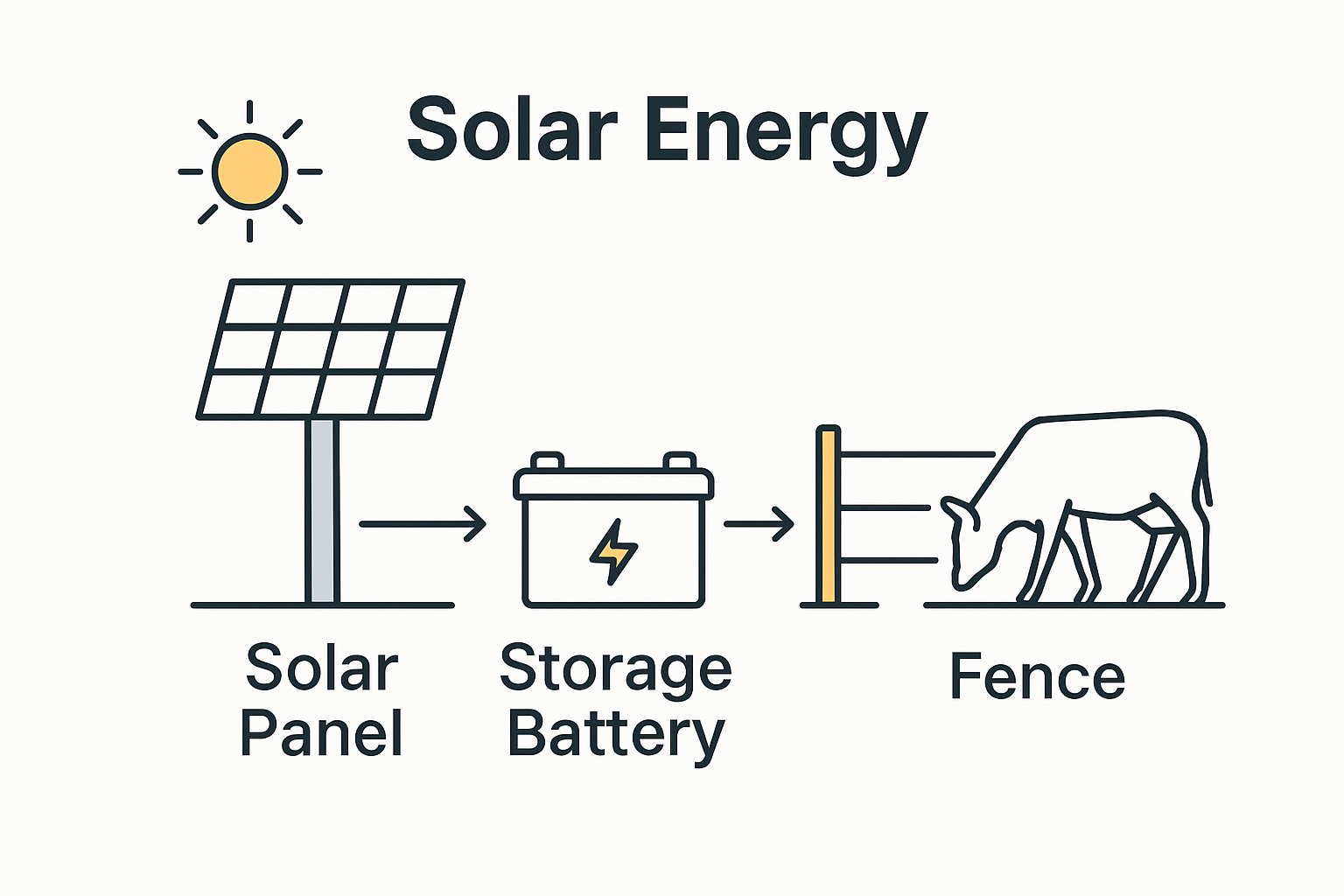
The core functionality of a solar electric fence charger involves three primary components: a photovoltaic solar panel, a rechargeable battery, and an energizer. Solar panels generate direct current by capturing sunlight, which charges the battery. When an animal touches the fence wire, the energizer sends brief, high-voltage electrical pulses through the fence, creating a psychological and physical deterrent that prevents livestock from crossing boundaries.
Key features of solar electric fence chargers make them particularly attractive for remote agricultural settings:
- Operate independently from electrical grid power
- Provide continuous fence monitoring and protection
- Work effectively in rural and off-grid locations
- Minimal maintenance requirements
- Environmentally friendly alternative to traditional electric fencing
By integrating renewable solar energy with livestock management technologies, farmers can create reliable, cost-effective perimeter control systems that adapt to various terrain and environmental conditions.
Types of Solar Fence Chargers for Cattle
Solar fence chargers for cattle come in several distinct configurations, each designed to meet specific agricultural power requirements. Solar-powered units can be categorized into three primary types: AC-powered, DC-powered, and integrated solar chargers, each offering unique advantages for livestock management.
The most versatile option is the integrated solar charger, which combines a photovoltaic panel, rechargeable battery, and energizer in a single unit. These chargers provide reliable power ranges capable of covering extensive pasture areas, with some models delivering coverage up to 25 miles. Such systems ensure continuous fence monitoring by storing solar energy during daylight hours and maintaining electrical output throughout nighttime and cloudy conditions.
Key classifications of solar fence chargers include:
- Low Impedance Chargers: Designed for large cattle herds and extensive pastures
- Portable Solar Chargers: Ideal for temporary fencing or rotational grazing
- Permanent Installation Chargers: Suited for fixed, long-term livestock enclosures
- High-Voltage Output Chargers: Providing stronger deterrent signals for challenging terrain
Farmers can select solar fence chargers based on specific requirements such as pasture size, herd density, terrain complexity, and local environmental conditions. The right solar electric fence charger ensures reliable livestock containment while offering an environmentally sustainable alternative to traditional electric fencing solutions.
How Solar Fence Chargers Operate
Solar fence chargers function through a sophisticated yet straightforward electrical system designed to protect livestock and agricultural boundaries. Solar panels convert sunlight into direct current electricity, initiating the power generation process that enables these innovative fencing solutions to operate effectively in remote and off-grid environments.
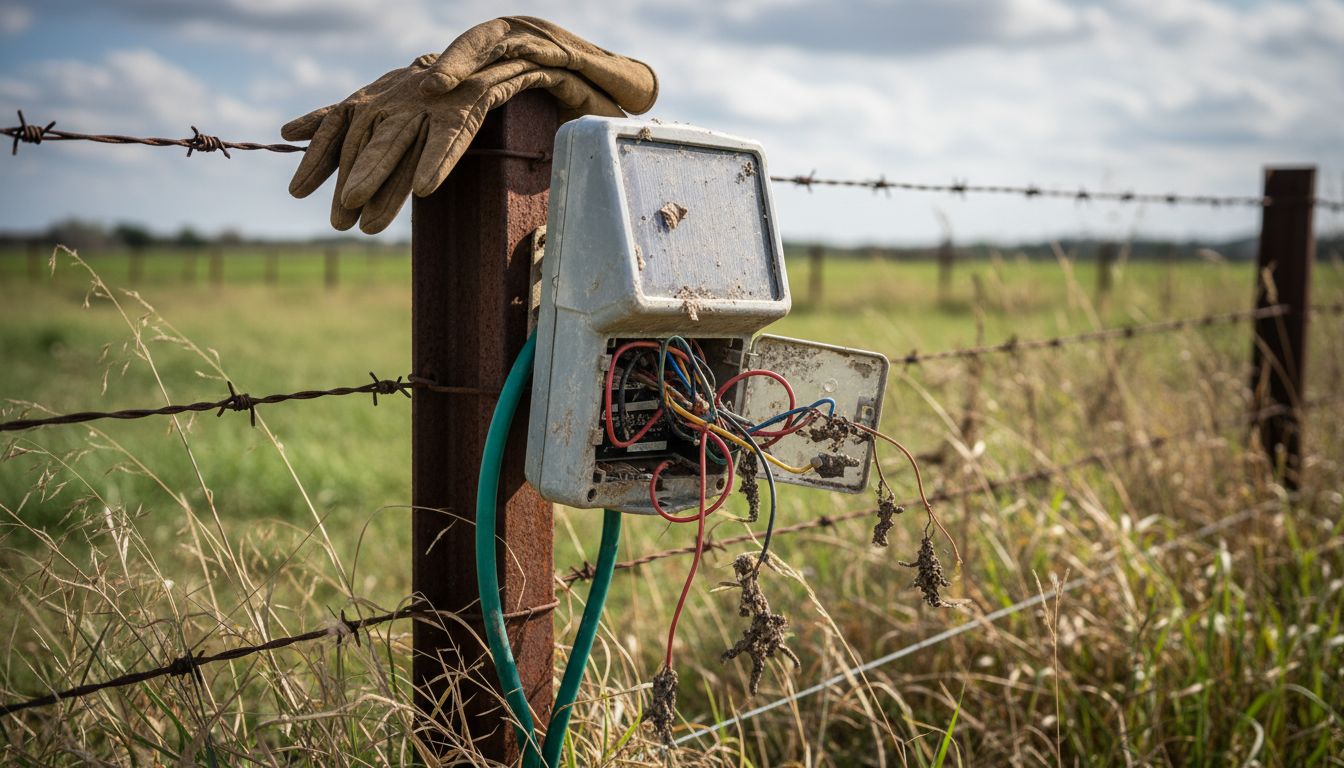
The operational mechanism involves three critical components working in precise synchronization. Photovoltaic modules generate direct current that charges a rechargeable battery, which then powers the energizer. This energizer creates brief, high-voltage electrical pulses that travel continuously through the fence wire, creating a psychological and physical barrier for cattle and other livestock.
Key operational stages of solar fence chargers include:
- Solar Energy Capture: Photovoltaic panels absorb solar radiation
- Battery Charging: Direct current stored in rechargeable battery
- Pulse Generation: Energizer creates intermittent high-voltage signals
- Circuit Completion: Animal contact triggers electrical discharge
- Deterrence Mechanism: Short, sharp shock prevents further boundary crossing
The technological design ensures continuous operation by storing solar energy during daylight and maintaining electrical output during nighttime or overcast conditions. Comprehensive solar fence guides highlight the system’s ability to provide consistent, reliable livestock containment while offering an environmentally sustainable alternative to traditional electric fencing methods.
Installation Tips and Optimal Setup
Solar electric fence installation requires careful planning and strategic positioning to ensure maximum effectiveness for cattle management. Solar panel placement is critical for optimal performance, demanding direct sunlight exposure with minimal shade throughout the day to guarantee consistent power generation.
The installation process involves several key strategic considerations. Solar charger integration with existing fencing systems can significantly enhance overall efficiency and reliability. Farmers must carefully select locations that provide both maximum solar exposure and protection for electrical components, ensuring the energizer remains secure from environmental damage and potential animal interference.
Critical installation guidelines include:
- Solar Panel Positioning: South-facing orientation with 30-45 degree vertical angle
- Energizer Placement: Dry, protected area away from direct animal contact
- Grounding System: Minimum 3-foot ground rod installation
- Wire Tension: Maintain consistent tension across fence lines
- Battery Protection: Install in temperature-controlled environment
Comprehensive solar fence guides recommend periodic maintenance checks to verify system integrity. Professional installation can help farmers navigate complex setup requirements, ensuring optimal performance and long-term reliability of their solar electric fence infrastructure.
Maintenance Needs and Troubleshooting Issues
Solar electric fence maintenance is a critical aspect of ensuring consistent livestock protection and system reliability. Regular maintenance involves comprehensive system inspections, focusing on multiple components that can impact overall performance and effectiveness of the solar fence charger.
Systematic inspections of fence lines and electrical components help prevent potential operational failures. Farmers must conduct routine checks to verify solar panel cleanliness, battery charge levels, and ensure no vegetation or debris is interfering with the fence’s electrical conductivity. Proper grounding and connection integrity are paramount to maintaining an effective livestock containment system.
Common maintenance and troubleshooting procedures include:
- Solar Panel Care: Clean panel surface quarterly, remove dust and debris
- Battery Monitoring: Check charge levels monthly, replace when performance declines
- Fence Line Inspection: Verify wire tension and remove potential grounding objects
- Energizer Testing: Conduct periodic voltage output checks
- Connection Verification: Inspect all electrical connections for corrosion or damage
Comprehensive solar fence guides recommend professional assessment annually to ensure optimal system performance and identify potential issues before they compromise livestock safety. Proactive maintenance can significantly extend the lifespan of solar electric fence infrastructure and prevent unexpected system failures.
Common Mistakes and How to Avoid Them
Solar electric fence management requires strategic understanding to prevent critical operational failures. Farmers frequently encounter systematic installation and maintenance errors that can compromise the effectiveness of their livestock containment systems, making proactive prevention essential for long-term reliability.
Solar panel positioning represents a crucial element of successful implementation, with inadequate placement potentially rendering entire systems ineffective. Successful farmers understand that optimal performance demands careful consideration of sunlight exposure, panel angle, and potential environmental obstructions that might reduce charging capabilities.
Most common mistakes and their prevention strategies include:
- Inadequate Grounding: Install minimum 3-foot ground rods
- Poor Solar Panel Placement: Ensure south-facing orientation with minimal shade
- Irregular Maintenance: Establish quarterly inspection schedule
- Vegetation Interference: Regularly clear fence line of plant growth
- Battery Neglect: Monitor charge levels and replace when performance declines
Comprehensive solar fence guides emphasize that understanding these potential pitfalls can significantly improve system performance. Proactive management and consistent attention to detail will help farmers maximize their solar electric fence investment and ensure reliable livestock containment.
Secure Your Livestock with Reliable Solar Electric Fence Solutions
Managing cattle with solar electric fence chargers can be challenging without the right equipment and expertise. This guide highlights key pain points such as ensuring consistent power from solar panels, proper installation for maximum sunlight exposure, and maintaining battery health to prevent costly disruptions. At FenceFast.ca we understand these concerns and offer a wide variety of high-quality solar electric fence chargers, energizers, and accessories designed to meet the demands of Canadian farmers and ranchers.

Explore our comprehensive range of products tailored for cattle containment and livestock management. Benefit from expert advice on installation and maintenance to avoid common mistakes like improper grounding or panel placement. Visit FenceFast.ca today and get access to reliable solar fencing solutions, nationwide shipping, and support that turns your perimeter control into a worry-free investment. Start optimizing your farm’s fencing setup now and protect your valuable herd effectively.
Frequently Asked Questions
What is a solar electric fence charger?
A solar electric fence charger is a device that converts sunlight into electrical energy to power fencing systems for containing livestock and protecting agricultural properties.
How does a solar fence charger operate?
Solar fence chargers operate by using a solar panel to capture sunlight, which charges a rechargeable battery. The energized battery powers an energizer that sends high-voltage electrical pulses through the fence.
What are the different types of solar fence chargers?
The main types of solar fence chargers include integrated solar chargers, low impedance chargers for large pastures, portable solar chargers for temporary setups, and high-voltage output chargers for challenging terrains.
What maintenance does a solar electric fence require?
Maintenance involves regular inspection of solar panels, battery charge levels, fence lines for vegetation interference, energizer functionality, and ensuring grounding connections are secure.

