

More than 60 percent of Canadian ranchers face rising costs for animal containment while striving to go greener. With american electric fencing solutions often falling short for remote or expansive properties, solar energizers offer an efficient alternative that directly addresses these needs. Understanding how solar units work and their long-term advantages helps ranchers keep cattle or horses safely contained and supports sustainable ranch operations.
Table of Contents
- Solar Energizer Basics And Core Functions
- Key Types And System Configurations
- Essential Features And Power Ratings Explained
- Installation, Maintenance, And Seasonal Factors
- Financial Costs, Limitations, And Risks
- Comparing Solar Units To Other Energizers
Key Takeaways
| Point | Details |
|---|---|
| Solar Energizers Transform Power Generation | Solar energizers convert sunlight into electrical current, making them ideal for Canadian ranches, especially for livestock fencing. |
| Three System Configurations | Stand-alone, grid-connected, and hybrid systems offer flexibility for different ranch energy needs and infrastructure requirements. |
| Complex Power Ratings | Understanding power ratings and features, such as inverter technology and battery storage, is crucial for optimizing system performance. |
| Financial Considerations | Evaluating lifecycle costs and potential government incentives is essential for making informed investment decisions in solar energizers. |
Solar energizer basics and core functions
Solar energizers represent a sophisticated technology transforming electrical power generation for Canadian ranches by converting sunlight directly into usable electrical current. These systems leverage photovoltaic technologies to create electrical charges through specialized solar panels that capture and transform solar radiation into functional energy for livestock fencing and containment systems.
At their core, solar energizers function through a precise sequence of energy conversion. Solar photovoltaic modules absorb incoming sunlight, generating direct current electricity through semiconductor materials like silicon. The generated electrical charge flows through specialized circuits, creating a consistent power output that can charge batteries, power electric fencing components, and maintain consistent voltage across ranch perimeters. This process depends critically on factors like solar panel orientation, regional sunlight intensity, and seasonal variations specific to Canadian agricultural landscapes.
The fundamental components of a solar energizer system include solar panels, battery storage units, voltage regulators, and electrical output terminals. These interconnected elements work synergistically to ensure reliable power generation and distribution. Solar panels capture solar energy, battery units store excess electricity for nighttime or low-light periods, voltage regulators maintain consistent electrical output, and terminals connect directly to electric fencing infrastructure. By understanding these core functions, ranch owners can design more efficient and sustainable electrical containment solutions.
Pro tip: Position your solar panels at a 45-degree angle facing south to maximize sunlight capture and optimize energy generation throughout Canadian seasonal variations.
Key types and system configurations
Solar energizer systems for ranch containment are primarily categorized into three distinct photovoltaic system configurations: stand-alone (off-grid), grid-connected, and hybrid designs. Each configuration offers unique advantages tailored to specific ranch infrastructure and energy management requirements, allowing ranchers to select the most appropriate solution for their specific agricultural needs.
Stand-alone systems operate independently from electrical grids, making them ideal for remote ranch locations with limited utility infrastructure. These configurations typically include solar panels, battery storage units, and dedicated controllers that manage energy generation and distribution. Grid-connected systems, by contrast, integrate directly with local electrical utilities, enabling ranchers to feed excess power back into the municipal grid and potentially earn energy credits. Hybrid configurations represent the most flexible approach, combining solar generation with supplementary power sources like wind turbines or diesel generators to ensure consistent electrical supply during variable weather conditions.
The technical components of these systems vary significantly. Inverter technologies play a crucial role in system performance, with options including string inverters for larger installations, central inverters for extensive ranch operations, and microinverters for more granular energy management. Battery storage technologies have also evolved, with lithium-ion batteries emerging as the preferred solution due to their higher energy density, longer lifecycle, and more efficient charge-discharge characteristics compared to traditional lead-acid alternatives.
Here’s a summary of common solar energizer system configurations and their practical implications:
| Configuration Type | Ideal Use Scenario | Main Advantages | Common Limitations |
|---|---|---|---|
| Stand-alone (Off-grid) | Remote ranches, no grid access | Energy independence, flexibility | Limited backup power |
| Grid-connected | Near utility infrastructure | Energy credits, reliable supply | Grid dependency |
| Hybrid | Variable weather, large ranches | Multiple backup options | Higher upfront costs |
Pro tip: Conduct a comprehensive energy audit of your ranch before selecting a solar energizer configuration to precisely match your electrical requirements and optimize system design.
Essential features and power ratings explained
Solar energizer systems for ranch containment are characterized by complex power ratings and essential features that directly impact their performance and reliability. Inverter technologies play a critical role in converting solar panel output, determining the system’s overall efficiency and electrical compatibility with ranch infrastructure. Power ratings represent the fundamental metric for understanding a solar energizer’s capability to support electric fencing and auxiliary electrical needs across diverse agricultural environments.
Key power specifications include wattage output, voltage stability, and energy conversion efficiency. Ranch owners should focus on several critical metrics when evaluating solar energizers: continuous power output, peak surge capacity, battery storage duration, and charging speed. Advanced systems now offer sophisticated features like digital interfaces, intelligent temperature management, and remote monitoring capabilities. These technologies enable ranchers to track energy production, consumption, and system performance with unprecedented precision, allowing for proactive maintenance and optimization of electrical containment solutions.
The technical landscape of solar energizers has evolved to include advanced battery technologies and robust power management systems. Lithium iron phosphate batteries have emerged as a superior storage solution, offering longer lifecycle, faster charging times, and more reliable performance compared to traditional lead-acid alternatives. Modern solar energizers incorporate multiple protection mechanisms such as overcharge prevention, short-circuit protection, and temperature-controlled cooling systems, ensuring consistent and safe electrical output under challenging ranch environmental conditions.
Pro tip: Calculate your ranch’s total electrical load before selecting a solar energizer to ensure the system’s power ratings match your specific containment and operational requirements.
Installation, maintenance, and seasonal factors
Proper solar energizer installation requires meticulous planning and precision, with strategic considerations for panel placement and system configuration that directly impact long-term performance. Ranch owners must focus on critical factors such as optimal panel orientation, appropriate mounting angles, and protection from potential environmental challenges specific to Canadian agricultural landscapes. The installation process involves carefully selecting mounting locations that maximize sun exposure while providing adequate protection from physical damage, livestock interference, and extreme weather conditions.
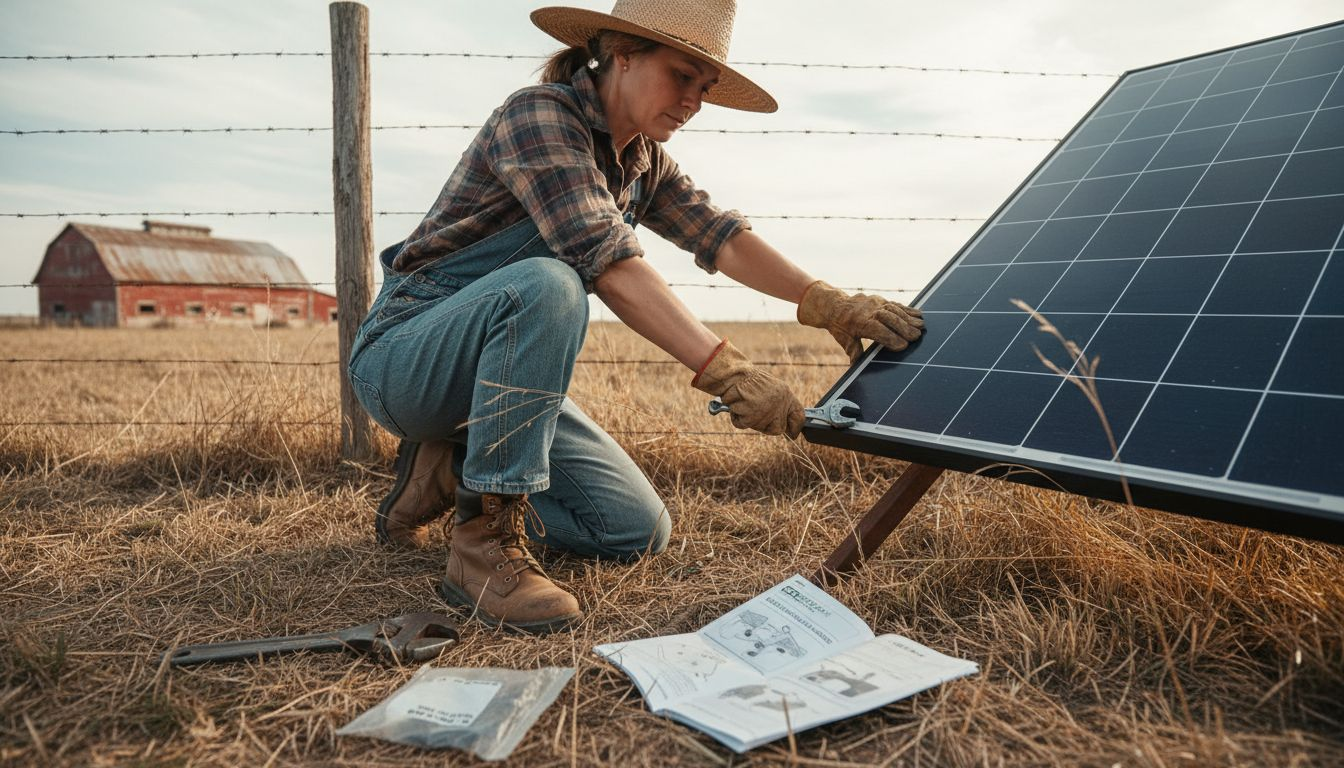
Seasonal variations present unique challenges for solar energizer systems in Canadian ranch environments. Winter months introduce significant complexity, with reduced daylight hours, potential snow accumulation, and lower solar radiation levels requiring specialized maintenance strategies. Temperature fluctuations can dramatically affect solar panel efficiency, with cooler temperatures potentially improving electrical output while simultaneously creating challenges for battery performance and system reliability. Ranch owners must develop comprehensive maintenance protocols that account for these seasonal shifts, including regular panel cleaning, connection inspections, and battery health monitoring.
Maintenance represents a critical ongoing investment in solar energizer system longevity and performance. Routine activities should include comprehensive system checks, cleaning solar panels to remove dust and debris, verifying electrical connections, and monitoring battery health and charging capabilities. Ranchers should establish a systematic approach to maintenance that includes seasonal assessments, preventative cleaning, and prompt addressing of any performance anomalies. Advanced monitoring technologies now enable remote tracking of system performance, allowing for proactive maintenance and early detection of potential issues before they compromise electrical containment capabilities.
Pro tip: Schedule comprehensive system inspections during seasonal transitions, focusing on cleaning, connection integrity, and battery performance to maximize your solar energizer’s reliability and efficiency.
Financial costs, limitations, and risks
Solar energizer investments for ranch containment involve complex financial considerations, with significant capital expenditures and long-term risk management strategies that ranch owners must carefully evaluate. Initial system costs typically range between $5,000 and $25,000, depending on ranch size, electrical requirements, and specific technological configurations. These investments encompass equipment purchases, installation expenses, and potential infrastructure modifications necessary to integrate solar energizer systems effectively into existing ranch electrical networks.
Technical risks represent a critical component of solar energizer financial planning. Potential challenges include equipment performance degradation, unexpected maintenance requirements, and potential system failures that could compromise electrical containment capabilities. Ranch owners must consider factors such as panel efficiency loss over time (typically 0.5% to 1% annually), battery replacement cycles, and potential environmental impacts that might reduce system reliability. Advanced monitoring technologies and comprehensive warranty coverage can help mitigate these risks, providing ranch owners with greater financial predictability and operational confidence.
The financial landscape for solar energizer systems continues to evolve, with emerging technologies and policy incentives creating increasingly attractive investment opportunities. Government programs, tax credits, and agricultural development grants can significantly offset initial implementation costs, making solar energizer solutions more accessible for Canadian ranchers. Strategic financial planning should include comprehensive lifecycle cost analysis, considering not just initial investment but also long-term operational savings, reduced electrical dependency, and potential revenue generation through excess power feed-back mechanisms.
Pro tip: Request detailed financial projections from multiple solar energizer providers, comparing total lifecycle costs, expected performance degradation, and potential government incentive programs before making your investment decision.
Comparing solar units to other energizers
Solar energizers represent a significant technological advancement in ranch electrical containment systems, offering distinct advantages over traditional battery-powered and grid-connected alternatives. Unlike conventional battery energizers that require frequent battery replacements and maintenance, solar units provide continuous power generation with minimal ongoing operational costs. Battery-powered units typically last 3-6 months before needing battery replacement, whereas solar systems can operate effectively for 10-15 years with minimal component replacement.
Grid-connected electrical energizers present significant infrastructure challenges for remote Canadian ranch locations, often requiring expensive electrical infrastructure installations and ongoing utility connection fees. Solar energizers eliminate these complications by generating independent electrical power directly at the fencing location. The operational efficiency of solar units becomes particularly apparent in remote ranch environments, where traditional electrical infrastructure is limited or cost-prohibitive. Modern solar energizers can maintain consistent electrical output across temperature ranges from -40°F to 140°F, providing superior reliability compared to battery-powered alternatives that experience significant performance degradation in extreme temperatures.
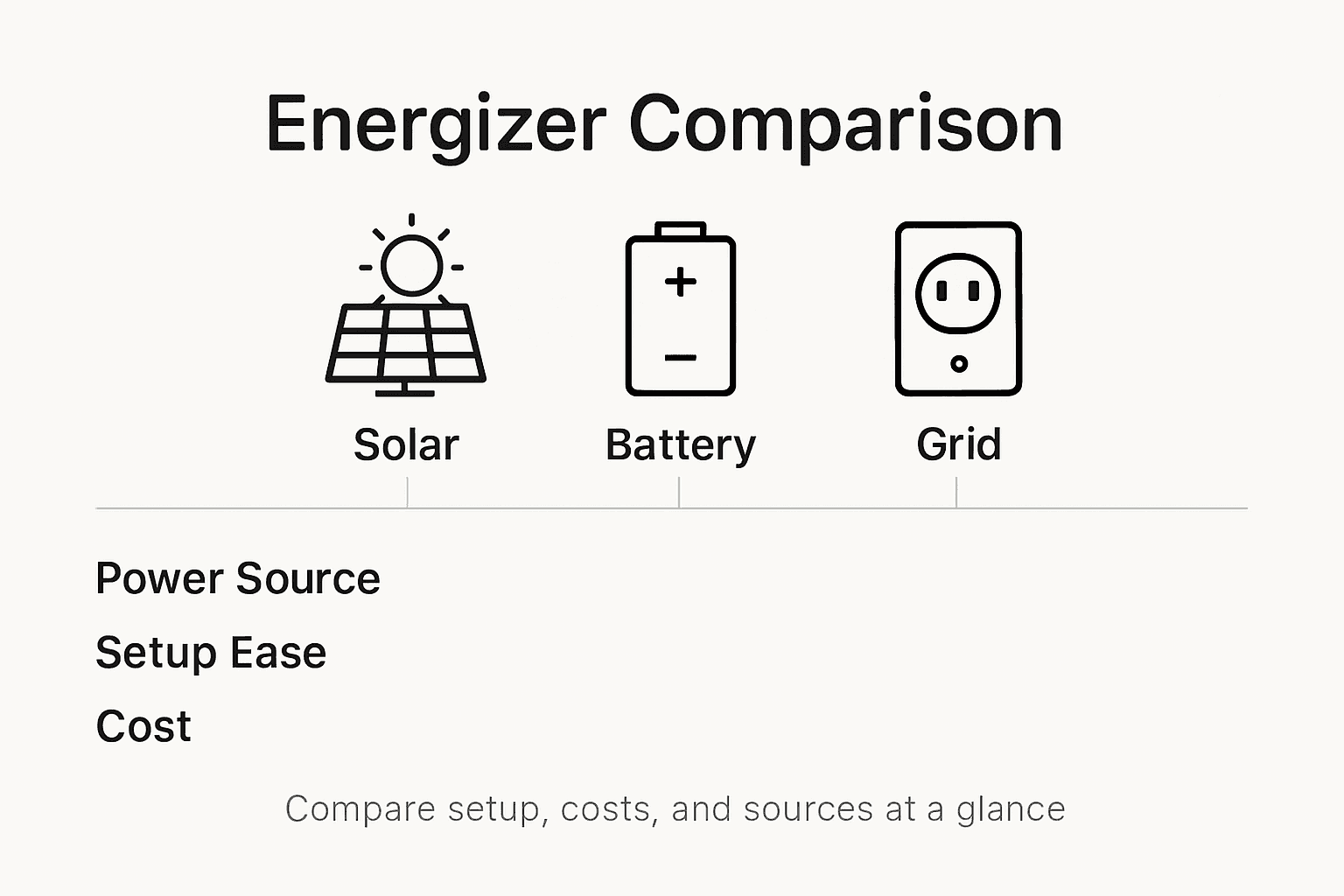
The comparative analysis between solar, battery, and grid-connected energizers reveals multiple critical performance parameters. Solar units demonstrate superior long-term cost-effectiveness, with lower maintenance requirements and reduced operational expenses. Battery energizers remain competitive for short-term applications but become increasingly expensive over extended periods. Grid-connected systems, while providing consistent power, lack the flexibility and independence inherent in solar technologies. Ranch owners must evaluate their specific containment requirements, geographical constraints, and long-term financial considerations when selecting an energizer technology.
Compare key criteria between solar, battery-powered, and grid-connected energizers:
| Criteria | Solar Energizer | Battery-Powered Energizer | Grid-Connected Energizer |
|---|---|---|---|
| Typical Lifespan | 10-15 years | 3-6 months per battery | 8-15 years |
| Maintenance Frequency | Low, periodic cleaning | High, frequent battery change | Moderate, grid checks |
| Performance in Extreme Cold | Reliable, wide range | Reduced efficiency | Stable if grid is reliable |
| Long-Term Cost Impact | Low operational cost | Increasing battery expense | Utility fees, moderate upkeep |
Pro tip: Calculate your ranch’s total energizer power requirements and compare the 5-year total cost of ownership across solar, battery, and grid-connected technologies to make the most informed investment decision.
Elevate Your Ranch Containment with Reliable Solar Energizers
Selecting the right solar energizer system for your ranch is critical to ensuring sustainable, efficient, and worry-free livestock containment. This article highlights challenges such as matching power ratings to electric fencing needs, managing seasonal variations, and choosing between stand-alone, grid-connected, or hybrid configurations. At FenceFast.ca, we understand how important it is to have resilient energizers that withstand Canadian weather and deliver consistent voltage to protect your livestock year-round.

Discover a comprehensive range of solar energizers, batteries, and accessories tailored specifically for ranchers like you. Take advantage of our expert design consulting, access to government funding programs, and nationwide shipping to simplify your solar fencing project. Start building a dependable and cost-effective electric fencing system today by exploring our trusted solutions at FenceFast.ca, and learn more about optimizing your setup with electric fencing systems. Make the smart choice now to protect your ranch with confidence and efficiency.
Frequently Asked Questions
What is a solar energizer and how does it work?
A solar energizer is a system that converts sunlight into electrical current, primarily used for livestock fencing on ranches. It consists of solar panels that generate direct current electricity, which is stored in batteries and used to power electric fencing components.
What are the main types of solar energizer configurations?
The main types are stand-alone (off-grid), grid-connected, and hybrid systems. Stand-alone systems operate independently; grid-connected systems interact with local utilities, and hybrid configurations combine solar power with other energy sources for added reliability.
How do I maintain my solar energizer system?
Regular maintenance includes cleaning solar panels, checking electrical connections, inspecting battery health, and monitoring overall system performance. Seasonal inspections can help optimize functionality, particularly in challenging weather conditions.
What are the advantages of solar energizers over battery-powered or grid-connected energizers?
Solar energizers provide long-term cost-effectiveness with lower maintenance needs, ongoing power generation without battery replacement, and independence from grid infrastructure. They can reliably operate in various temperature ranges, making them more suitable for remote ranch environments.

