

Most Canadian farmers know that a single faulty insulator can lead to lost livestock and wasted time. Choosing the right electric fence standoffs is crucial for containing cattle and horses safely, especially with different climates across North America and advice often based on American systems. With so many material options, installation methods, and legal requirements to consider, this guide highlights practical details and tips for building a reliable fence that lasts. Electrical leakage accounts for up to 40 percent of containment failures.
Table of Contents
- What Are Electric Fence Standoffs?
- Types and Materials of Standoffs
- Installation Methods and Best Practices
- Safety Concerns and Legal Requirements
- Common Problems and How to Prevent Them
Key Takeaways
| Point | Details |
|---|---|
| Importance of Standoffs | Electric fence standoffs prevent electrical current grounding and ensure the effectiveness of the fence system. |
| Material Selection | Different standoff materials, such as porcelain, fiberglass, and plastic, offer varying electrical insulation and weather resistance. |
| Installation Best Practices | Proper standoff installation is crucial for maintaining electrical performance and livestock containment, requiring careful planning and adherence to protocols. |
| Safety Compliance | Adhering to local safety regulations and regular system inspections are vital to protect against electrical hazards and ensure effective fence operation. |
What Are Electric Fence Standoffs?
Electric fence standoffs are specialized hardware components designed to securely hold electrified fence wires away from wooden posts, metal structures, or other conductive surfaces. These critical insulators ensure that electrical current remains concentrated along the fence wire, preventing unwanted grounding that could compromise the fence’s effectiveness. Electric fence systems rely on standoffs to maintain proper electrical separation and deliver consistent shock deterrence.
Standoffs function by creating a physical barrier between the electrified wire and potential grounding surfaces. They are typically constructed from high-strength polymers or specialized non-conductive materials that can withstand outdoor weather conditions and resist electrical conductivity. When installed correctly, these components prevent short circuits and ensure that the electrical current travels precisely where intended - along the fence line to discourage livestock or wildlife from crossing boundaries.
The primary purpose of electric fence standoffs goes beyond simple wire positioning. They play a crucial role in maintaining fence safety and performance by eliminating potential electrical leakage points. Different designs accommodate various post materials and fence configurations, allowing farmers to customize their containment systems. Some standoffs feature adjustable mounting options, enabling precise wire spacing and tension control for optimal electric fence functionality.
Pro tip: When installing electric fence standoffs, always inspect each component for structural integrity and ensure they are securely attached to prevent potential wire misalignment or electrical system failures.
Types and Materials of Standoffs
Electric fence standoffs are manufactured from diverse materials, each offering unique performance characteristics tailored to specific agricultural environments. Electrical standoff materials range from traditional porcelain to modern synthetic polymers, providing farmers with multiple options for effective livestock containment. The selection depends on factors like voltage requirements, environmental conditions, and installation specifics.
Three primary material categories dominate standoff design: porcelain, composite fiberglass, and plastic polymers. Porcelain standoffs excel in high-voltage applications, delivering exceptional electrical insulation and remarkable durability. However, they are brittle and can fracture under significant mechanical stress. Composite fiberglass standoffs offer an excellent middle ground, combining moderate voltage tolerance with superior moisture resistance and mechanical flexibility. Plastic standoffs, typically crafted from polypropylene or polyethylene, represent the most cost-effective solution, providing versatile performance across various environmental conditions.
Standoff designs vary significantly to accommodate different fence configurations and agricultural needs. Some feature threaded attachments for secure mounting, while others utilize clip-on or wrap-around designs. Stainless steel reinforcement in polymer standoffs can enhance mechanical strength, creating hybrid solutions that balance electrical insulation with structural integrity. Specialized standoffs might include additional features like UV resistance, temperature tolerance, and compatibility with multiple post materials such as wood, metal, or composite.
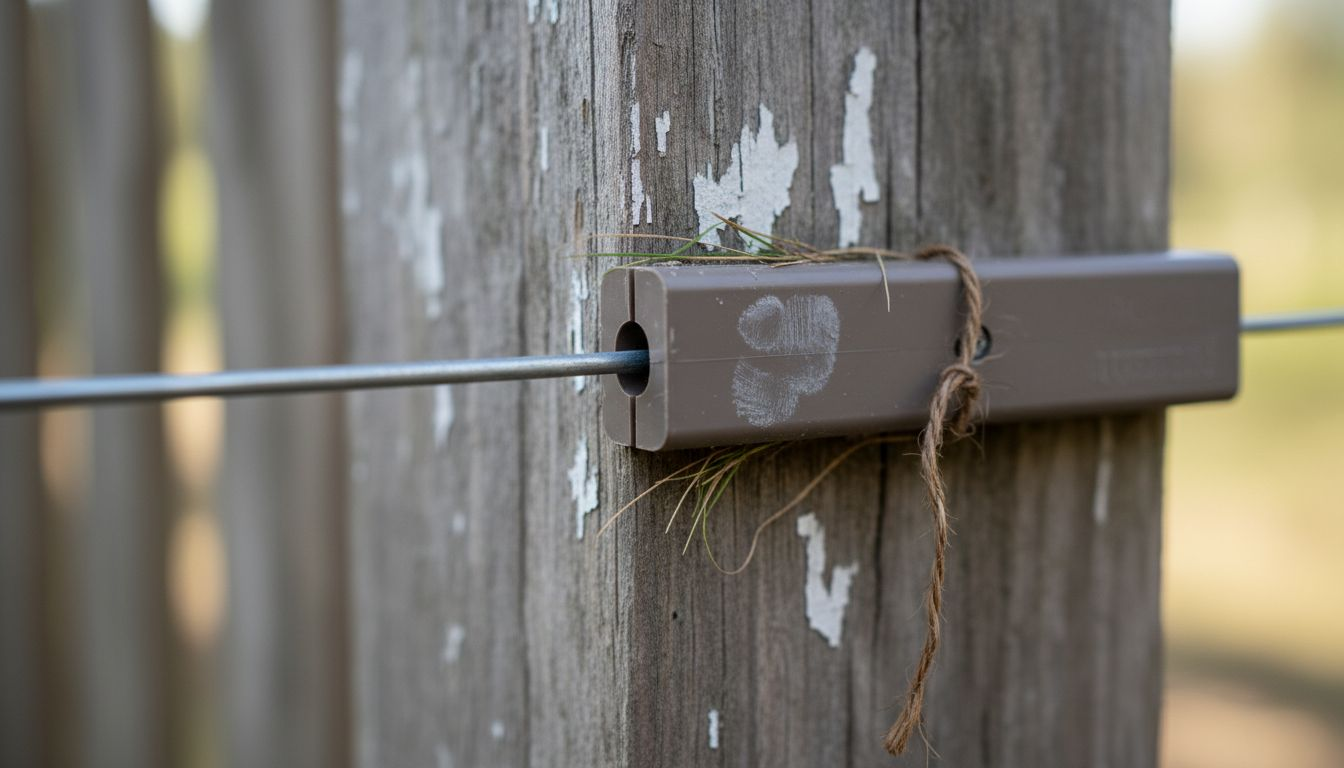
Here is a comparison of electric fence standoff materials for quick reference:
| Material Type | Electrical Insulation | Weather Resistance | Cost Effectiveness |
|---|---|---|---|
| Porcelain | Excellent, even at high voltages | Durable but brittle in impact | High initial cost, long lifespan |
| Fiberglass | Good up to moderate voltages | Resists moisture and flexes | Moderate cost, reliable in wet areas |
| Plastic Polymer | Adequate for most farm uses | UV-stabilized options endure outdoors | Economical, best for budget fencing |
Pro tip: When selecting standoff materials, consider your specific climate and livestock environment to choose components that balance electrical performance, mechanical durability, and long-term cost-effectiveness.
Installation Methods and Best Practices
Successful electric fence standoff installation requires careful planning and precise execution. Electric fence design involves strategic placement of standoffs to ensure optimal electrical performance and livestock containment. Proper installation begins with understanding the specific requirements of your agricultural environment and selecting appropriate mounting techniques for different terrains and fence configurations.
Standoff installation typically follows a systematic approach that prioritizes electrical isolation and mechanical stability. Post spacing is crucial, with standard recommendations suggesting 8-foot intervals for wire fences. Standoffs must be securely mounted, ensuring they can withstand environmental stresses like wind, temperature fluctuations, and animal contact. UV-stabilized materials are essential for outdoor applications, preventing degradation from continuous sun exposure. Farmers should pay close attention to wire tensioning, maintaining consistent spacing and preventing sagging that could compromise the fence’s electrical integrity.
Technical considerations extend beyond basic mounting. Wire gauge selection, energizer placement, and grounding systems play critical roles in fence performance. Different standoff designs accommodate various post materials, including wood, metal, and composite structures. Some advanced standoff models feature adjustable mounting brackets, allowing farmers to customize wire height and tension precisely. Installation also demands careful vegetation management, ensuring no plants or debris can create unintended electrical shorts or ground connections that might reduce the fence’s effectiveness.
Pro tip: Always test your electric fence system with a voltage meter immediately after installation to verify proper electrical continuity and standoff performance.
Safety Concerns and Legal Requirements
Electric fence standoffs involve complex safety considerations that extend far beyond simple installation techniques. Electrical safety guidelines mandate specific protocols to protect both livestock and humans from potential electrical hazards. These requirements encompass voltage limitations, proper grounding systems, strategic warning signage, and consistent maintenance protocols that minimize risk of injury or unintended electrical interactions.
Legal compliance demands rigorous attention to regional and national electrical safety standards. Farmers must navigate a complex landscape of regulations that vary by jurisdiction, typically requiring clear warning signs, controlled voltage outputs, and systematic inspection processes. The primary objective is creating a deterrent system that prevents animal escape without causing physical harm. Voltage levels must remain carefully calibrated to deliver a startling but non-lethal shock, ensuring animal welfare while maintaining effective boundary control. Some regions mandate specific insulation requirements, grounding specifications, and documentation proving compliance with local agricultural safety codes.
Technical safety considerations involve multiple interconnected systems. Standoff design must prevent electrical shorting, minimize fire risks, and withstand environmental challenges. Proper grounding becomes critical, with most jurisdictions requiring multiple ground rods and systematic electrical path management. Farmers should maintain detailed records of installation, periodic testing, and maintenance to demonstrate ongoing compliance. Additional safety measures include protecting the electrical system from wildlife interference, preventing unauthorized human access, and ensuring that fence components can withstand extreme weather conditions without compromising electrical integrity.
Pro tip: Consult local agricultural extension offices to understand specific regional electric fence safety requirements and obtain detailed compliance guidelines for your specific farming environment.
Common Problems and How to Prevent Them
Electric fence standoff systems can encounter multiple performance challenges that compromise livestock containment and electrical effectiveness. Electric fence design reveals several critical issues farmers must proactively address. Vegetation interference, inadequate grounding, and improper energizer selection represent the most frequent complications that can undermine fence functionality and reliability.
Grounding problems represent the most significant performance barrier for electric fence systems. Insufficient ground rods, dry soil conditions, and poor electrical connectivity can dramatically reduce shock effectiveness. Successful mitigation requires strategic ground rod placement, ensuring multiple rods are driven deep into consistently moist soil areas. Farmers should install at least three 6-8 foot ground rods, spaced approximately 10 feet apart, and use high-conductivity materials like copper to maximize electrical continuity. Regular soil moisture monitoring and ground system maintenance become essential for maintaining consistent electrical performance across varying environmental conditions.
Additional common issues include wire tension problems, standoff degradation, and environmental damage. UV radiation can compromise plastic standoff materials, leading to structural failure over time. Vegetation growth near fence lines can create unwanted electrical shorts, reducing system efficiency. Routine inspection protocols are crucial, involving systematic checks of wire tension, standoff integrity, and clearing brush and debris from fence perimeters. Farmers should implement quarterly comprehensive inspections, replacing damaged components and ensuring proper wire spacing and electrical isolation. Advanced monitoring techniques, such as using digital voltage meters, can help detect subtle performance degradations before they become critical system failures.
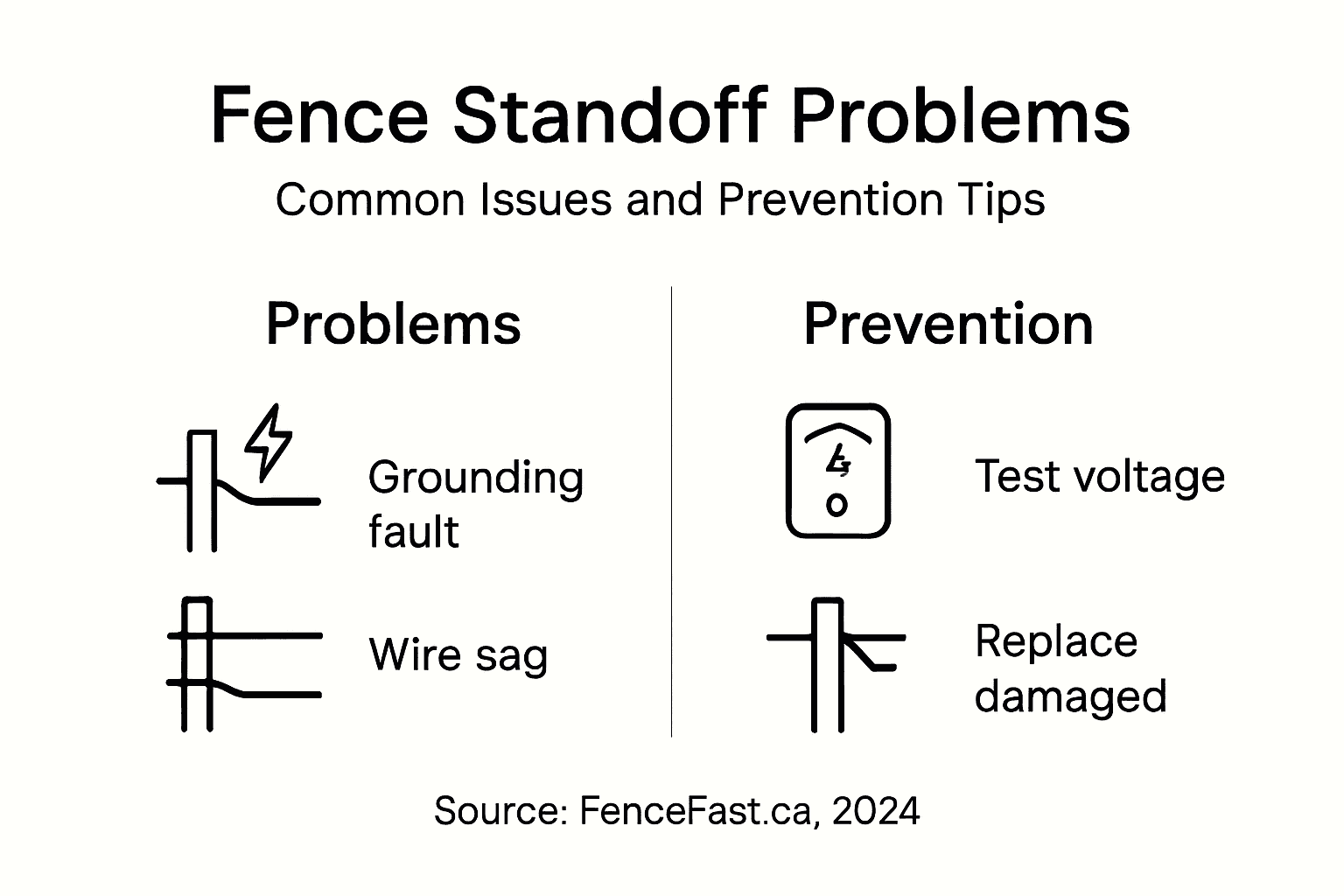
The table below summarizes frequent issues with electric fence standoffs and targeted prevention strategies:
| Problem | Cause | Prevention Tip |
|---|---|---|
| Grounding failure | Poor rod placement, dry soil | Use multiple copper ground rods |
| Wire slack/sagging | Inadequate tension, loose fit | Maintain consistent tensioning |
| Standoff degradation | UV exposure, material fatigue | Inspect quarterly, replace damaged parts |
| Electrical shorts | Vegetation touch, debris build-up | Clear brush along fence line regularly |
Pro tip: Invest in a quality digital voltage tester and perform monthly checks to catch potential electric fence system issues before they compromise livestock security.
Secure Your Livestock with Reliable Electric Fence Standoffs Today
Managing electric fence standoffs is crucial for maximizing livestock security by preventing grounding issues and ensuring consistent electric shock delivery. Whether you face challenges with wire sagging, standoff degradation, or unreliable grounding systems, addressing these pain points helps protect your farm investments and keeps your livestock safely contained. Using high-quality standoffs made from durable materials resistant to UV damage and harsh weather greatly improves the longevity and safety of your fencing system.

Explore the wide selection of premium electric fencing components and accessories at FenceFast.ca. Find everything you need to enhance your livestock containment including reliable standoffs, electrifiers, grounding rods, and wire tensioners. Visit our website now to discover expert solutions tailored to the unique demands of Canadian farmers and ranchers. Secure your perimeter the right way with products designed for long-lasting performance and peace of mind. Take action today to protect animals and improve fence reliability with FenceFast.ca!
Frequently Asked Questions
What are electric fence standoffs?
Electric fence standoffs are hardware components that hold electrified fence wires away from conductive surfaces, ensuring proper electrical isolation and preventing unwanted grounding that can compromise the fence’s effectiveness.
What materials are electric fence standoffs made from?
Electric fence standoffs can be made from various materials, including porcelain, composite fiberglass, and plastic polymers, each offering different levels of electrical insulation, weather resistance, and cost-effectiveness.
How do I install electric fence standoffs correctly?
To install electric fence standoffs, ensure proper post spacing, securely mount each standoff, and maintain consistent wire tension and spacing. It’s also important to check that the materials are UV-stabilized for outdoor use.
What common problems can arise with electric fence standoffs?
Common issues include grounding failures, wire sagging, standoff degradation due to UV exposure, and electrical shorts caused by vegetation interference. Regular inspections and maintenance can help mitigate these problems.

