

More than half of Canadian goat farmers report predator attacks as a top concern, pushing many to rethink traditional fencing options. Rural regions face an added challenge when harsh conditions threaten both pasture health and livestock security. As Canadian producers look south for inspiration, many discover that american electric net fencing methods offer safer, more flexible herd control while supporting rotational grazing and effective predator defense. This overview highlights critical features every goat farmer should know to protect animals and improve pasture management.
Table of Contents
- What Is Electric Net Fencing for Goats?
- Varieties and Key Design Features Explained
- How Electric Net Fencing Functions Effectively
- Benefits for Pasture Management and Predator Control
- Installation, Maintenance, and Safety Essentials
- Comparing Alternatives and Common Mistakes
Key Takeaways
| Point | Details |
|---|---|
| Electric Net Fencing Advantages | Electric net fencing offers flexible livestock management by creating a psychological barrier, allowing for effective goat containment and predator protection. |
| Installation and Maintenance Best Practices | Proper installation and regular maintenance are crucial for operational efficiency, including routine voltage checks and vegetation management. |
| Design Variations | Different electric net fencing configurations, including permanent and portable systems, cater to specific farming needs and terrain types. |
| Comparison with Alternatives | Unlike traditional fencing methods, electric net fencing is more adaptable and requires less maintenance, offering higher predator deterrence and flexibility for pasture management. |
What Is Electric Net Fencing for Goats?
Electric net fencing represents an innovative solution for farmers and ranchers seeking effective livestock management techniques for their goat herds. This specialized fencing system uses electrified horizontal and vertical wires integrated into a flexible mesh network designed to safely contain goats while preventing potential predator intrusions. Unlike traditional fencing methods, electric net fencing delivers a brief but memorable shock that trains goats to respect boundaries without causing lasting harm.
The fundamental mechanism of electric net fencing involves a sophisticated energizer that sends intermittent high voltage pulses through interconnected wires. When a goat touches the fence, it completes an electrical circuit between the fence and ground, receiving a quick deterrent shock that discourages future boundary crossings. Effective livestock control techniques rely on this precise shock delivery mechanism to establish clear behavioral limits for animals.
Key components of electric net fencing typically include energized wires spaced at strategic intervals, flexible support posts, and a centralized power source. Modern systems often incorporate additional features like solar charging units and ground rod configurations that enhance overall performance. Most electric net fence designs for goats feature multiple horizontal wire strands positioned at different heights to prevent both climbing and crawling attempts.
Pro tip: Install your electric net fence during mild weather conditions and spend time training your goats to understand and respect the new boundary by walking them around the perimeter multiple times before full implementation.
Varieties and Key Design Features Explained
Electric net fencing for goats comes in multiple design configurations, each tailored to specific farm management needs. Goat fencing materials typically include synthetic cords interwoven with conductive metal wires, creating a versatile barrier that can adapt to various terrain and livestock requirements. These designs range from permanent installations to temporary movable systems, offering farmers flexible solutions for pasture management and animal containment.
The primary varieties of electric net fencing include permanent high-tensile systems, semi-permanent mesh designs, and portable electric netting. Each type features unique characteristics: permanent installations use robust metal posts and heavy-gauge wires for long-term use, while portable systems utilize lightweight fiberglass or plastic posts that can be quickly repositioned. Key design features critical for effective goat containment include multiple horizontal electrified wires, strategic wire spacing, and sufficient fence height to prevent jumping or climbing.
Technical specifications for electric net fencing often incorporate advanced elements like integrated solar charging units, voltage regulators, and ground rod systems. Modern designs consider factors such as wire conductivity, shock intensity, and visibility to maximize both animal safety and boundary enforcement. Farmers must evaluate specific factors like pasture terrain, goat breed characteristics, and potential predator threats when selecting the most appropriate electric net fencing configuration.
Pro tip: Select electric net fencing with wire spacing no wider than 6 inches and a minimum height of 36-42 inches to effectively contain adult goats and prevent potential escapes.
How Electric Net Fencing Functions Effectively
Electric net fencing operates through a sophisticated mechanism of electrical pulse delivery designed to create a psychological and physical barrier for livestock. Electric fence technology works by sending high-voltage, low-amperage electrical pulses through interconnected wires at precise intervals. When a goat touches the electrified wire while simultaneously connecting with the ground, it completes an electrical circuit, receiving a brief but memorable shock that deters future boundary crossings.
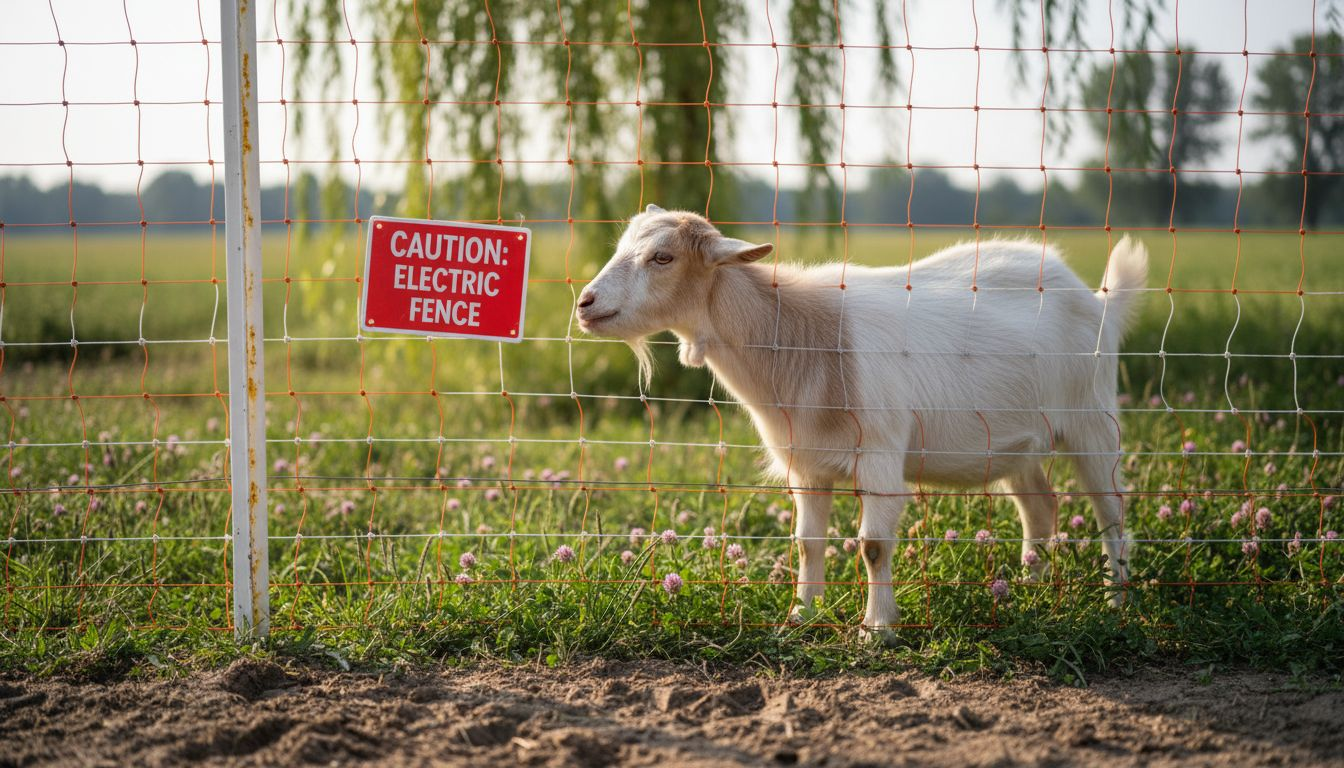
The core functionality of electric net fencing relies on several critical components working in synchronized harmony. An energizer generates electrical pulses, typically ranging between 4,000 to 10,000 volts, which travel through conductive wires embedded in the netting. Ground rods play a crucial role by providing an efficient return path for the electrical current, ensuring that the shock mechanism functions consistently. Modern systems incorporate advanced features like voltage regulators and solar charging units, enhancing reliability and operational efficiency in diverse agricultural environments.
Technological innovations have expanded electric net fencing capabilities beyond traditional physical barriers. Emerging virtual fencing technologies now include GPS-enabled tracking systems that can manage livestock movement without physical wire installations. These developments demonstrate the ongoing evolution of livestock management techniques, providing farmers with increasingly sophisticated tools for pasture control and animal safety.
Pro tip: Test your electric fence’s voltage regularly using a dedicated fence tester and ensure ground rod connections remain clean and corrosion-free to maintain optimal shock performance.
Benefits for Pasture Management and Predator Control
Electric net fencing provides comprehensive solutions for goat farmers seeking effective pasture management and predator protection strategies. Rotational grazing techniques enable farmers to control livestock movement precisely, preventing overgrazing and promoting systematic pasture regeneration. By dividing grazing areas into managed sections, goat herds can systematically utilize grasslands while allowing vegetation sufficient recovery time between grazing periods.
Predator control represents another critical advantage of electric net fencing for goat farmers. The electrified barrier creates both physical and psychological deterrents against potential threats like coyotes, wolves, and stray dogs. Unlike traditional fencing, electric net systems deliver a memorable shock that quickly trains predators to avoid the protected area, significantly reducing livestock vulnerability. The consistent electrical pulse ensures that even persistent predators learn to maintain a safe distance from the goat herd.
Beyond immediate protection, electric net fencing contributes to broader agricultural sustainability goals. Pasture management strategies support ecosystem health by preventing soil compaction, promoting balanced vegetation growth, and reducing environmental stress on grazing lands. The flexible nature of these fencing systems allows farmers to quickly adapt grazing patterns, optimize land usage, and maintain robust, resilient pasture environments that support long-term agricultural productivity.
Pro tip: Position your electric net fence lines with strategic consideration for natural terrain features like slopes and natural barriers to maximize effectiveness and minimize potential escape routes for goats.
Installation, Maintenance, and Safety Essentials
Proper installation of electric net fencing for goats requires careful planning and precision. Fencing installation guidelines emphasize selecting appropriate materials that can withstand goat behavior and environmental challenges. The process involves strategically positioning support posts, maintaining consistent wire tension, and ensuring electrical conductivity across the entire fence perimeter. Farmers must consider terrain, vegetation, and potential animal movement patterns when designing their electric net fencing layout.
Maintenance plays a critical role in preserving the effectiveness and safety of electric net fencing systems. Regular inspections should focus on checking ground connections, testing voltage levels, and clearing vegetation that might interfere with the fence’s electrical performance. Damaged sections must be repaired promptly to prevent potential breaches, with particular attention paid to broken wires, loose connections, and deteriorating insulators. Solar-powered and battery-powered systems require additional monitoring to ensure consistent energy supply and optimal shock delivery.
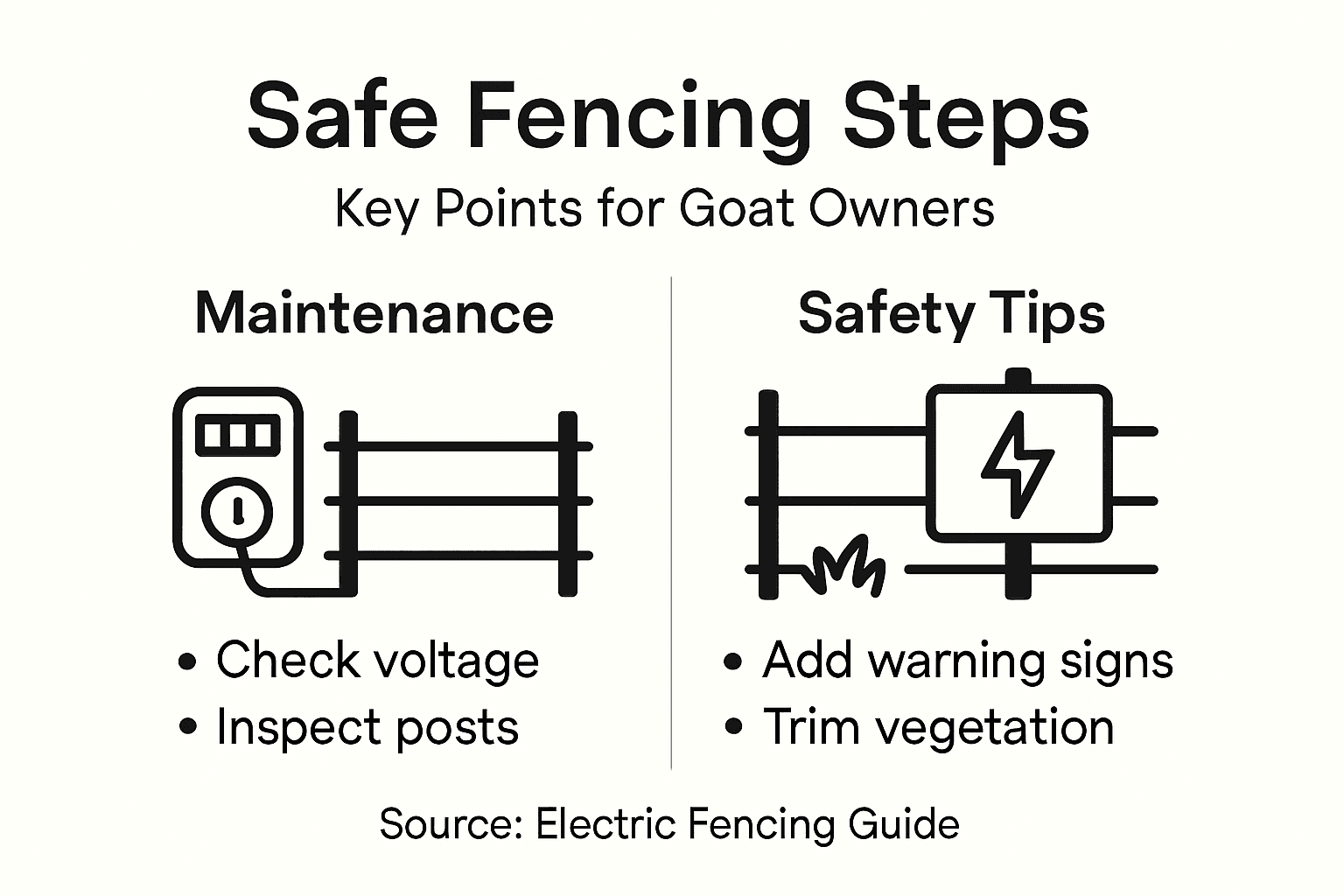
Safety considerations extend beyond livestock management to protect both animals and human operators. Warning signs should be strategically placed to alert individuals about the electrified barrier. The electrical pulse must be carefully calibrated to deliver a deterrent shock that is startling but not harmful. Grounding systems must be properly installed to prevent electrical irregularities, and farmers should use protective equipment when performing maintenance or handling the fencing components. Proper training for farm workers and family members about electric fence operation and safety protocols is essential for preventing accidents.
The table below summarizes best practices for electric net fencing installation and maintenance:
| Step | Purpose | Key Consideration |
|---|---|---|
| Plan perimeter layout | Maximize containment area | Consider terrain and movement |
| Check ground rod setup | Ensure reliable shock delivery | Rods must be corrosion-free |
| Inspect for damage | Maintain fence effectiveness | Focus on wires and insulators |
| Test voltage regularly | Prevent shock failures | Use a dedicated fence tester |
Pro tip: Conduct monthly comprehensive inspections of your electric net fencing, testing voltage levels and checking for physical damage, and always keep a spare energizer on hand for quick replacements.
Comparing Alternatives and Common Mistakes
Goat farmers have multiple fencing options beyond electric net systems, each with distinct advantages and limitations. Fencing alternatives for goats include traditional woven wire, high-tensile wire, wooden panel, and vinyl barriers. While these alternatives provide solid containment, they often require significantly higher upfront investments and ongoing maintenance compared to electric net fencing. Woven wire fences, for instance, demand precise installation and periodic tension adjustments, whereas electric net systems offer greater flexibility and easier repositioning.
Comparing fencing technologies reveals critical performance differences that impact livestock management effectiveness. Electric net fencing stands out for its psychological deterrence mechanism, delivering consistent, non-lethal shocks that train goats to respect boundaries. Traditional fencing relies solely on physical barriers, which goats can potentially damage, climb, or squeeze through. The portability of electric net systems allows farmers to quickly adapt grazing areas, rotate pastures, and manage land more dynamically than fixed-location alternatives.
Here’s a comparison of common goat fencing options and their key characteristics:
| Fencing Type | Installation Flexibility | Maintenance Needs | Predator Deterrence |
|---|---|---|---|
| Electric Net | Easy to reposition | Regular voltage checks | High, psychological |
| Woven Wire | Fixed, less flexible | Occasional tensioning | Moderate, physical |
| High-Tensile Wire | Permanent, adjustable | Frequent tension checks | Low against small predators |
| Wooden Panel | Labor-intensive setup | Replacement of wood | High, but costly |
Understanding common mistakes is crucial for successful electric net fencing implementation. Farmers frequently encounter challenges such as inadequate fence height, poor grounding connections, and insufficient goat training. Critical errors include selecting undersized energizers, neglecting regular voltage testing, and failing to clear vegetation that might interfere with electrical conductivity. Proper installation requires meticulous attention to wire tension, post placement, and consistent shock delivery to ensure both animal safety and effective containment.
Pro tip: Invest time in systematically training your goats to respect electric fencing by walking them around the perimeter multiple times and monitoring their initial interactions with the electrified barrier.
Secure Your Goat Pastures with Expert Electric Net Fencing Solutions
Managing goats safely and effectively requires reliable fencing that adapts to your farm’s unique challenges. The article highlights key issues such as preventing escapes, controlling predators, and ensuring reliable electric shock delivery through proper installation and maintenance. If you want to protect your herd with well-designed electric net fencing that provides psychological deterrence without harm, having the right equipment and support matters.

Explore FenceFast.ca for a wide range of electric fencing systems, including energizers, solar panels, connectors, and accessories specially suited for goat containment. Our products help you establish durable, safe fences that withstand terrain and weather while keeping predators at bay. Act today to improve your pasture management and animal safety with expert tools and guidance at FenceFast.ca. Visit now and take the first step toward smarter livestock control.
Frequently Asked Questions
What is electric net fencing for goats?
Electric net fencing for goats is a flexible mesh system that uses electrified horizontal and vertical wires to contain goats safely while preventing predator intrusions. It delivers a brief shock to train goats to respect boundaries without causing long-term harm.
How does electric net fencing work?
Electric net fencing operates by sending intermittent high-voltage pulses through wires within the netting. When a goat touches the fence while grounded, it completes a circuit and receives a quick shock, discouraging them from crossing the boundary.
What are the benefits of using electric net fencing for pasture management?
Electric net fencing enables effective pasture management by allowing controlled grazing through rotational techniques, promoting pasture regeneration. It also acts as a deterrent against predators, reducing the vulnerability of goats to threats like coyotes and dogs.
How should I maintain electric net fencing for optimal performance?
Maintenance involves regular inspections to check for damage, voltage testing, and ensuring clean ground rod connections. Keeping the area around the fence clear of vegetation and checking for loose wires and insulators are also essential for optimal functionality.

