

Nearly every American horse owner knows that safe containment can make or break daily pasture routines. With more than half of American equestrian facilities searching for flexible solutions, portable electric fences have become a smart alternative to heavy, permanent setups. Understanding how these lightweight systems blend convenience and safety means fewer worries for horses and their keepers while saving time and budget along the way.
Table of Contents
- Understanding Portable Electric Fences For Horses
- Main Types Of Portable Horse Fencing Solutions
- Essential Features And How They Work
- Setup, Maintenance, And Safety Best Practices
- Common Risks, Costs, And Mistakes To Avoid
Key Takeaways
| Point | Details |
|---|---|
| Portable Electric Fences | Offer flexibility and adaptability for horse containment, with minimal infrastructure investment. |
| Types of Energizers | Options include battery-powered, solar-powered, and plug-in models, each suited for different pasture and operational needs. |
| Maintenance Importance | Regular inspections and timely repairs are crucial to prevent system failures and ensure horse safety. |
| Common Mistakes | Avoid installation errors, incorrect equipment selection, and maintenance oversights to minimize risks and costs. |
Understanding Portable Electric Fences for Horses
Portable electric fences represent a flexible and innovative solution for horse owners seeking safe, adaptable containment strategies. Unlike traditional permanent fencing, these systems offer remarkable versatility for managing horse pastures, creating temporary enclosures, and ensuring animal safety with minimal infrastructure investment.
At its core, a portable electric fence system comprises several critical components that work together to create an effective boundary. Comprehensive electric fencing systems typically include an energizer that converts power into high-voltage pulses, specialized conducting tape or wire, robust insulators to prevent power loss, and a grounding stake. The key mechanism involves delivering a short, startling electrical pulse that teaches horses to respect boundary lines without causing lasting harm.
Horse owners appreciate portable electric fences for their unique advantages. These systems can be quickly deployed, repositioned, or expanded based on changing pasture needs or rotational grazing strategies. The lightweight components make installation straightforward, often requiring minimal tools and technical expertise. Some key benefits include:
- Rapid setup and takedown
- Cost-effective compared to permanent fencing
- Highly adaptable to different terrain and pasture configurations
- Low maintenance requirements
- Minimal landscape disruption
Safety remains paramount when implementing electric fencing for horses. Proper installation, regular maintenance, and understanding how horses interact with electrical boundaries ensure optimal performance. The goal is creating a psychological barrier that guides horse behavior through mild, controlled electrical stimulation rather than physical restraint.
Main Types of Portable Horse Fencing Solutions
Portable horse fencing solutions offer remarkable flexibility for equine management, with multiple configurations designed to meet diverse agricultural and pasture needs. Temporary horse fence systems provide horse owners with adaptable options that can be quickly deployed and reconfigured based on changing grazing requirements or landscape conditions.
Electric fence energizers form the backbone of portable horse fencing solutions. Compact energizer models are engineered to support various setup configurations, ranging from small paddocks to extensive strip grazing areas. These units typically fall into three primary categories:
- Battery-Powered Energizers
- Ideal for remote locations without electrical access
- Lightweight and highly portable
- Suitable for temporary or rotating pasture management
- Powered by 9V or 12V batteries
- Solar-Powered Energizers
- Environmentally friendly power source
- Continuous operation without battery replacement
- Best for large pastures or remote grazing areas
- Minimal maintenance requirements
- Plug-In Energizers
- Maximum power output
- Consistent electrical performance
- Recommended for permanent or semi-permanent installations
- Require proximity to standard electrical outlets
When selecting a portable electric fence system, horse owners must consider factors like pasture size, terrain complexity, and power availability. The right solution balances effective animal containment with ease of installation and mobility, ensuring safe and efficient horse management.
Essential Features and How They Work
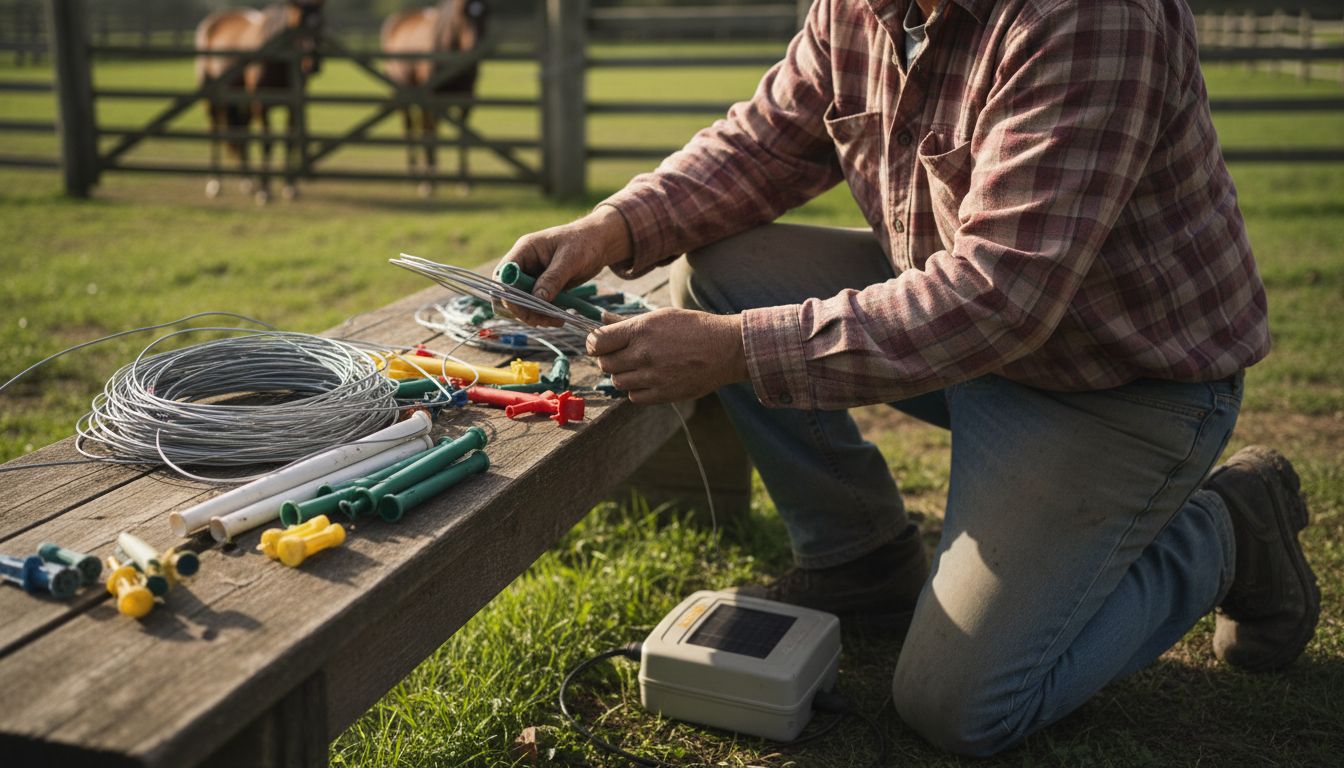
Portable electric fences for horses are sophisticated systems designed to provide safe, flexible containment through advanced technological components. Comprehensive electric fencing solutions rely on intricate interactions between multiple key elements that work together to create an effective boundary management system.
The core functionality of a portable electric fence revolves around its energizer, which serves as the system’s power generator. This critical component converts electrical energy into controlled, high-voltage pulses that travel through conductive wires or tapes. When an animal contacts the fence, they receive a short, surprising electrical shock that creates a psychological deterrent without causing lasting harm. The pulse is intentionally brief typically lasting just a fraction of a second, ensuring the horse experiences a startling but safe correction.
Key components of a portable electric fence system include:
-
Energizer: Converts power into electrical pulses
- Battery-powered options
- Solar-powered alternatives
- Plug-in models
-
Conductors
- Specialized electric tape
- Insulated wire
- Polymer-coated materials
-
Insulators
- Prevent electrical current from grounding
- Available in plastic and ceramic materials
- Ensure consistent electrical flow
-
Grounding System
- Metal stakes driven into soil
- Completes electrical circuit
- Enables effective shock transmission
Successful portable electric fencing requires careful installation and maintenance. Horse owners must regularly inspect components, test electrical continuity, and ensure proper tension in conducting materials. The goal is creating a reliable, flexible containment solution that prioritizes both horse safety and effective pasture management.
Setup, Maintenance, and Safety Best Practices
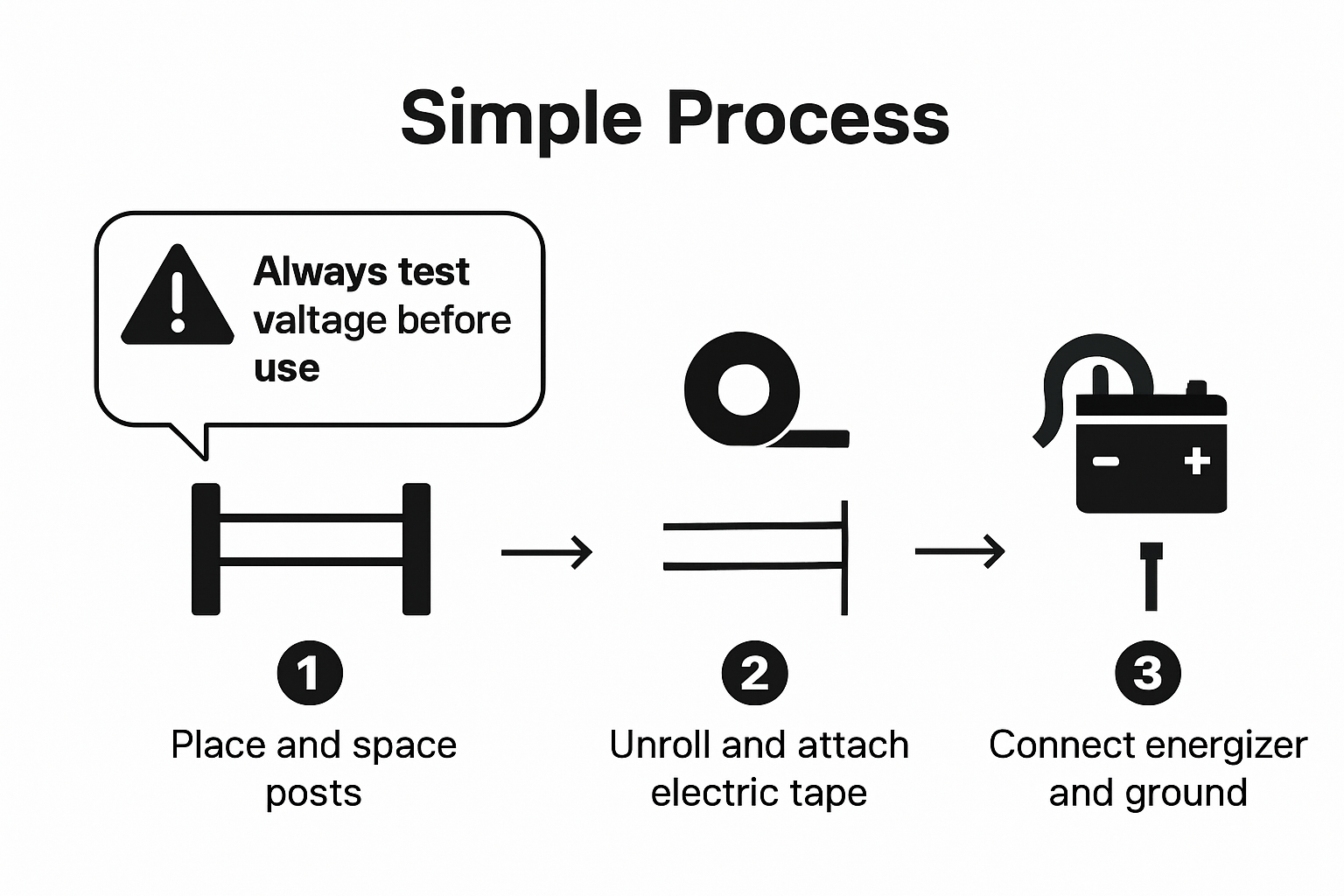
Implementing a portable electric fence for horses requires meticulous planning and careful execution to ensure both animal safety and system effectiveness. Fence installation equipment plays a crucial role in creating a reliable containment system that protects horses while providing flexibility for pasture management.
The initial setup involves several critical steps. Positioning is paramount when installing a portable electric fence. Horse owners must carefully select terrain that minimizes potential hazards, avoiding areas with sharp objects, uneven ground, or potential entanglement risks. The fence should be installed at an appropriate height typically between 42 to 54 inches to prevent horses from going under or over the barrier. Proper grounding is essential for the electrical system’s functionality, requiring a minimum of three ground rods driven at least 6-8 feet into moist soil to ensure consistent electrical transmission.
Maintenance best practices include:
-
Regular Inspection
- Check fence lines weekly
- Look for damage or wear
- Test electrical continuity
- Replace worn components immediately
-
Vegetation Management
- Clear grass and weeds near fence lines
- Prevent electrical shorting
- Maintain at least 6 inches of clearance
- Use trimming tools or herbicides
-
Energizer Maintenance
- Check battery levels
- Clean connection points
- Verify voltage output
- Replace batteries seasonally
Safety Protocols are non-negotiable when working with electric fencing. Always disconnect the energizer before making repairs, wear insulated gloves, and use a voltage tester to confirm electrical status. Horse owners should create a clear visual barrier by using high-visibility polytape and ensure horses are gradually introduced to the electric fence to minimize stress and potential injury. Proper training and consistent maintenance transform a portable electric fence from a simple containment tool into a reliable horse management solution.
Common Risks, Costs, and Mistakes to Avoid
Portable electric horse fencing presents unique challenges that can quickly escalate from minor oversights to significant financial and safety concerns. Understanding homesteading essentials helps horse owners navigate the complex landscape of electric fence management and prevent costly mistakes.
The most critical risks stem from improper installation and inadequate system design. Electrical continuity represents a fundamental concern, as inconsistent fence energizers can create dangerous gaps in horse containment. Selecting an underpowered energizer for your specific fence length dramatically increases the likelihood of system failure, potentially allowing horses to escape or become injured.
Common mistakes horse owners frequently encounter include:
-
Installation Errors
- Incorrect ground rod placement
- Insufficient ground rod depth
- Poor electrical connection
- Inadequate voltage testing
-
Equipment Selection Mistakes
- Choosing wrong energizer capacity
- Using low-quality conducting materials
- Neglecting weather-resistant components
- Overlooking terrain-specific requirements
-
Maintenance Oversights
- Inconsistent voltage checks
- Ignoring vegetation growth
- Delaying component replacement
- Skipping seasonal system evaluations
Financial considerations extend beyond initial equipment costs. Improper installation can lead to repeated replacements, veterinary expenses from horse injuries, and potential property damage. Experienced horse owners recommend budgeting for high-quality components and allocating time for regular maintenance, which ultimately proves more cost-effective than addressing emergency repairs or unexpected containment failures.
Discover Reliable Portable Electric Fencing Solutions for Your Horses
Managing your horses with flexible, safe, and effective containment has never been easier. The challenges of selecting the right energizer, ensuring proper grounding, and maintaining your system demand quality products designed for real-world agricultural needs. At FenceFast.ca, we understand the importance of rapid setup, dependable performance, and long-term safety when it comes to portable electric fences for horses.

Explore our full range of electric fencing systems including battery-powered, solar, and plug-in energizers that suit all pasture sizes and terrains. Equip yourself with premium insulators, conductive tapes, and grounding essentials to build a durable, easy-to-maintain fence that protects your valuable horses while providing the flexibility you need. Visit FenceFast.ca today to find the right portable electric fencing components and accessories to create safe boundaries that adapt to your evolving grazing plans. Start building your custom solution now and enjoy peace of mind in managing your horses efficiently and safely.
Frequently Asked Questions
What are the main components of a portable electric fence for horses?
A portable electric fence typically includes an energizer, conducting tape or wire, insulators, and a grounding stake. These components work together to create an effective boundary for horse containment.
How do I maintain my portable electric fence for horses?
Regular maintenance involves inspecting the fence lines for damage, testing electrical continuity, managing vegetation growth, and ensuring the energizer is functioning correctly through battery checks or voltage output verification.
What types of energizers are available for portable electric fences?
There are three primary types of energizers: battery-powered, solar-powered, and plug-in models. Each has distinct advantages based on your power availability, pasture size, and mobility needs.
What safety protocols should I follow when using a portable electric fence?
Always disconnect the energizer before making repairs, wear insulated gloves, and use a voltage tester to confirm electrical status. Introduce horses gradually to the fence to minimize stress and ensure clear visibility with high-visibility polytape.

