

Over 80 percent of American goat farmers rely on electric fencing to keep their herds safe from predators and prevent escapes. For those raising goats, choosing a secure setup is critical because these animals are smart, agile, and naturally curious. Discover how a 3 wire electric fence can provide a cost-effective, low-maintenance solution that balances animal safety with dependable boundary control for your property.
Table of Contents
- What Is a 3 Wire Electric Fence for Goats?
- Key Components and How the System Works
- Essential Installation Steps and Best Practices
- Choosing Wires, Energizers, and Insulators
- Common Mistakes and Goat Safety Tips
Key Takeaways
| Point | Details |
|---|---|
| Effective Containment Strategy | A 3 wire electric fence effectively contains goats by using three electrified wires at varying heights to deter escape and prevent predator entry. |
| Key Components | The system includes an energizer, conductive wires, fence posts, insulators, and a grounding system, all crucial for maintaining an effective barrier. |
| Installation Best Practices | Proper installation involves thorough site preparation, precise wire configuration, and regular maintenance checks to ensure optimal performance. |
| Common Mistakes to Avoid | Inadequate grounding, improper wire tension, and neglecting consistent voltage monitoring can compromise the fence’s effectiveness and goat safety. |
What Is a 3 Wire Electric Fence for Goats?
A 3 wire electric fence represents a strategic livestock control method specifically designed for containing and protecting goats. This fencing configuration involves installing three horizontally positioned electrified wires at different heights to create an effective barrier that prevents goats from escaping or predators from entering their designated area.
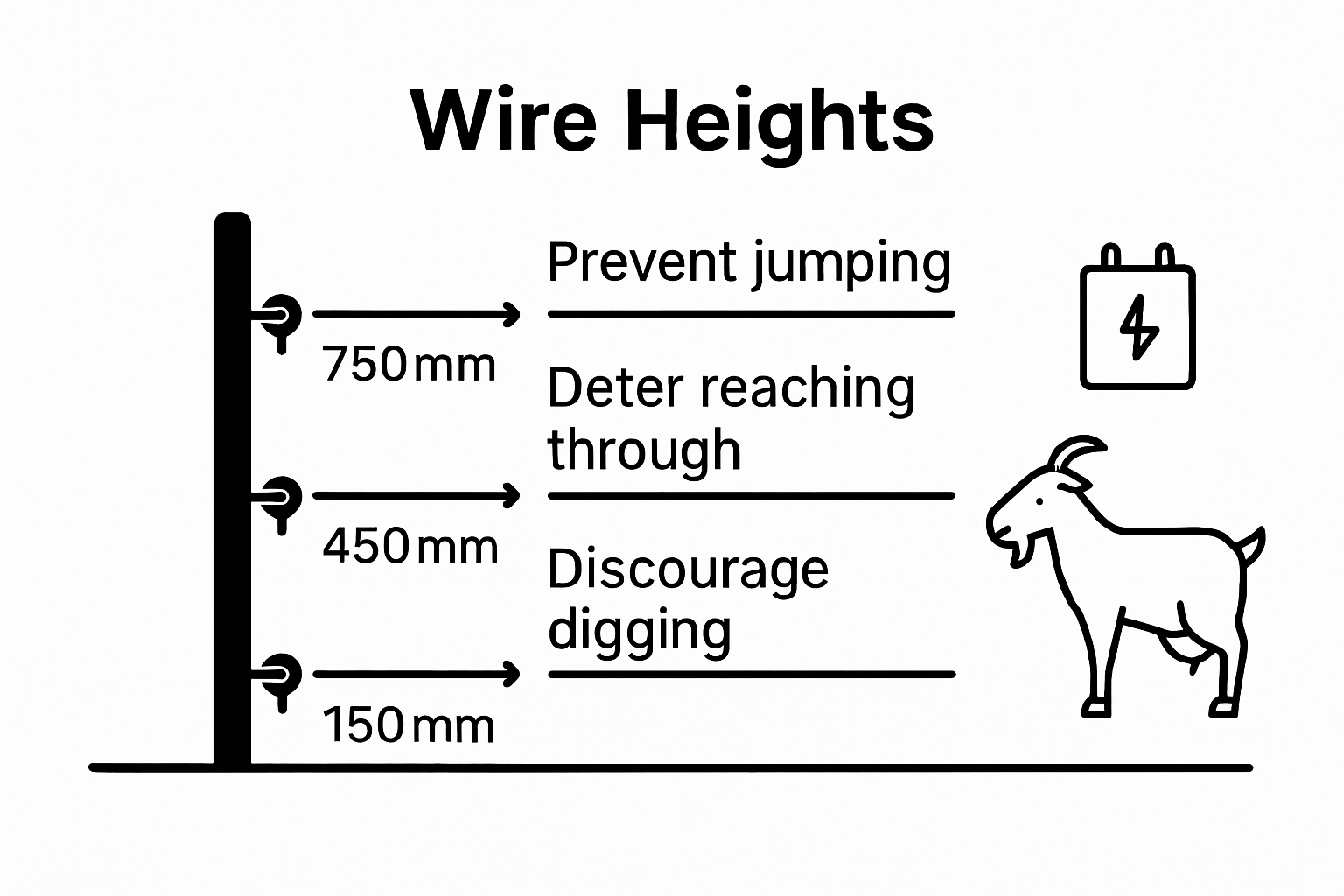
According to agricultural fencing guidelines, the recommended wire positioning typically follows a precise vertical arrangement. Each wire is strategically placed to discourage goats from pushing through, jumping over, or crawling under the fence. The standard configuration usually includes wires positioned at approximately 150 mm, 450 mm, and 750 mm above ground level, which provides comprehensive coverage and containment.
The primary advantages of a 3 wire electric fence include its versatility, cost-effectiveness, and minimal maintenance requirements. These fences are particularly effective for temporary goat fencing setups where permanent infrastructure might be impractical. By delivering a mild electric shock upon contact, the fence creates a psychological barrier that trains goats to respect boundaries without causing significant harm. Farmers and livestock managers appreciate this solution because it offers a humane and efficient method of managing goat herds across various terrains and property types.
Key characteristics of an effective 3 wire electric fence for goats include:
- Consistent wire spacing between 10-15 meters
- Proper grounding of the electrical system
- Regular voltage checks to ensure effectiveness
- Durable insulators that withstand environmental conditions
- Compatible with solar or battery-powered energizers
Key Components and How the System Works
A 3 wire electric fence system for goats operates through a complex interaction of specialized components designed to create an effective and humane livestock control mechanism. Agricultural fencing guidelines emphasize the critical role of each element in establishing a reliable barrier that prevents goat movement while ensuring animal safety.
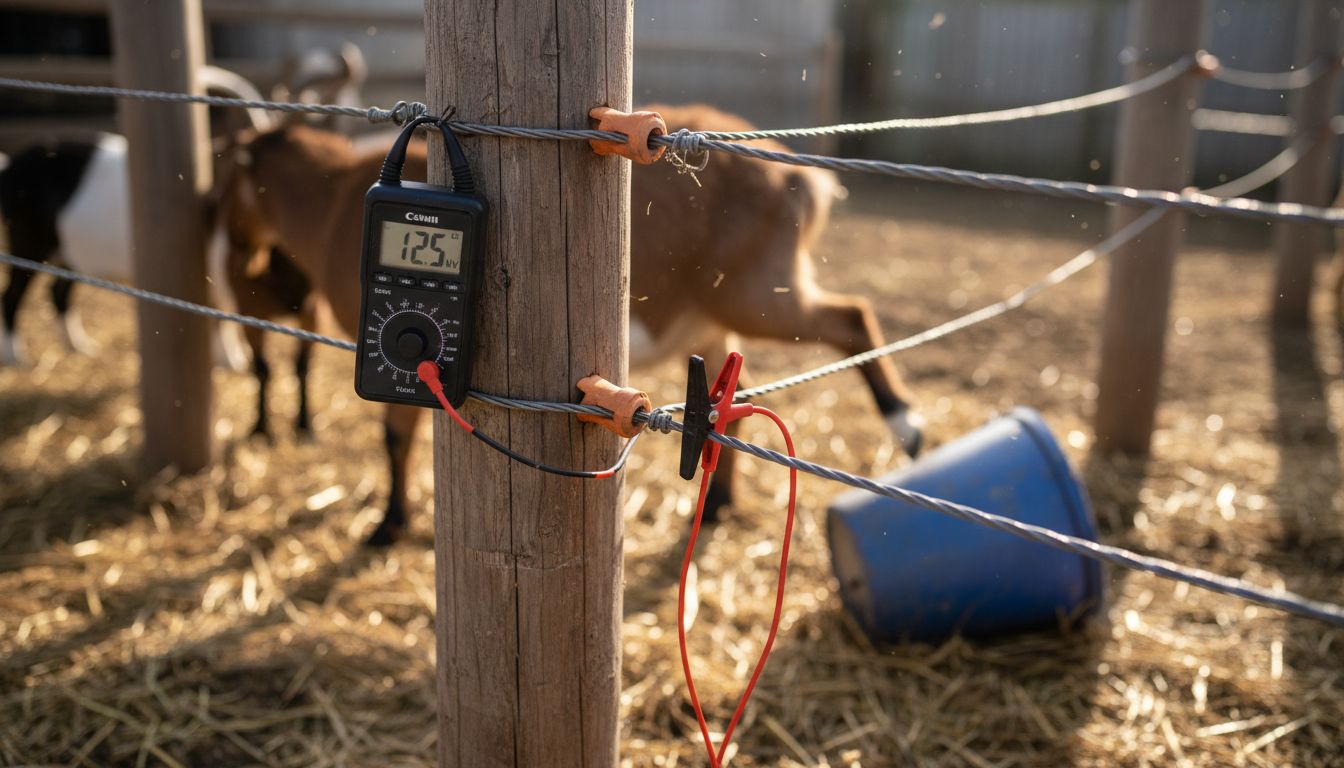
The primary components of the system include the energizer, which serves as the electrical power source generating periodic pulses of electricity. When a goat touches the wire, the energizer delivers a short, sharp electrical shock that creates a psychological deterrent. Electric fence basics reveal that this pulse typically lasts milliseconds, providing enough sensation to discourage future attempts at crossing the boundary without causing permanent harm.
The complete system comprises several interconnected elements that work synergistically to maintain containment. Key components include:
- Energizer/Charger: Generates electrical pulses
- Conductive Wires: Carries electrical current at different heights
- Fence Posts: Provides structural support and wire positioning
- Insulators: Prevents electrical current from grounding prematurely
- Grounding System: Ensures proper electrical circuit completion
- Voltage Tester: Allows periodic system performance checks
Successful implementation requires careful configuration and regular maintenance. Farmers must ensure proper wire tension, consistent voltage levels, and strategic wire placement to create an effective psychological barrier that trains goats to respect property boundaries without causing undue stress or injury.
Essential Installation Steps and Best Practices
Electric fence installation for goats requires meticulous planning and precise execution to ensure optimal livestock control. Agricultural fencing guidelines emphasize the critical importance of a systematic approach that begins with comprehensive site assessment and strategic planning.
The initial step involves careful site selection and preparation. Farmers must evaluate terrain characteristics, potential obstacles, and goat movement patterns to determine the most effective fence layout. Electric fence installation best practices recommend maintaining clear boundaries, removing vegetation that might interfere with wire conductivity, and ensuring a consistent post spacing between 10-15 meters for maximum effectiveness.
A comprehensive installation process involves several critical steps:
-
Site Preparation
- Clear vegetation and potential obstructions
- Mark precise fence line
- Ensure level ground for post installation
-
Post Installation
- Use sturdy wooden or fiberglass posts
- Set posts at recommended depths (minimum 2 feet)
- Ensure vertical alignment and consistent spacing
-
Wire Configuration
- Install bottom wire at 150 mm above ground
- Position middle wire at 450 mm
- Place top wire at 750 mm height
- Use high-quality tensioning hardware
-
Electrical System Setup
- Connect energizer to power source
- Install proper grounding rods
- Test voltage levels before full implementation
Successful electric fence installation demands ongoing maintenance and periodic system checks. Farmers should regularly inspect wire tension, check for potential damage, verify voltage consistency, and ensure insulators remain intact. By following these systematic steps and temporary electric fence setup guidelines, livestock managers can create a reliable and effective goat containment system that balances animal safety with property protection.
Choosing Wires, Energizers, and Insulators
Electric fence components play a critical role in creating an effective goat containment system. Agricultural fencing guidelines emphasize the importance of selecting high-quality materials that can withstand environmental challenges and provide consistent livestock control.
When selecting wires for a 3 wire electric fence, farmers must consider conductivity, durability, and resistance to environmental factors. Electric fence installation best practices recommend using aluminum or steel wire with excellent electrical conductivity and corrosion resistance. The wire thickness typically ranges between 12.5 and 17 gauge, with galvanized steel offering superior longevity and performance in various weather conditions.
Key considerations for each critical component include:
Wires:
- Aluminum or high-tensile steel composition
- Minimum 12.5 gauge thickness
- Galvanized coating for rust prevention
- Smooth surface for consistent electrical transmission
Energizers:
- Minimum 0.5 joule output for goat enclosures
- Solar or battery-powered options
- Weatherproof housing
- Consistent pulse generation
Insulators:
- High-quality polymer or ceramic materials
- UV and temperature-resistant design
- Secure attachment mechanisms
- Minimal electrical leakage properties
Properly selected fence post insulators ensure the electrical system’s integrity by preventing current loss and maintaining consistent voltage throughout the fence. Farmers should prioritize components that offer durability, performance, and reliability to create an effective goat containment solution that balances animal safety with property protection.
Common Mistakes and Goat Safety Tips
Electric fence implementation requires careful attention to detail to ensure both livestock safety and effective containment. Agricultural fencing guidelines highlight critical errors that can compromise the entire fencing system and potentially endanger goats.
Electric fence installation best practices reveal several common mistakes that farmers must avoid. Inadequate grounding represents the most significant issue, as it reduces the fence’s effectiveness and creates unpredictable electrical performance. Improper wire tension can create weak spots that goats might exploit, while inconsistent voltage levels can lead to ineffective animal control or potential injury.
Key mistakes and safety considerations include:
Common Mistakes:
- Insufficient grounding of electrical system
- Irregular voltage monitoring
- Poor wire tension and alignment
- Neglecting regular maintenance checks
- Using incorrect wire gauge
Goat Safety Tips:
- Maintain consistent voltage between 3000-5000 volts
- Conduct weekly system inspections
- Ensure wire heights are appropriate for goat size
- Remove vegetation that might ground the fence
- Use warning signs to alert humans and animals
Livestock fence safety recommendations emphasize the importance of creating a predictable and safe electrical barrier. Farmers should prioritize gradual goat training, ensuring animals understand the fence’s boundaries without experiencing unnecessary stress or potential injury. Regular maintenance, proper installation, and consistent monitoring are crucial for creating an effective and humane goat containment system.
Secure Your Goats with Reliable 3 Wire Electric Fence Solutions
Managing a herd of goats means facing unique challenges such as preventing escapes and protecting your livestock from predators. This article highlights key obstacles like proper wire spacing, consistent voltage, and durable insulators that ensure a safe and effective containment system. If you want to avoid common pitfalls like poor grounding or wire tension issues, it is essential to choose high-quality components and follow proven installation best practices.

At FenceFast.ca, we understand the importance of a dependable electric fence system tailored for goats. Explore our wide selection of wires, energizers, insulators, and fencing accessories designed to meet the exact standards outlined in agricultural fencing guidelines. Take advantage of our expert advice and quick nationwide shipping so you can build a secure 3 wire electric fence that safeguards your goats with confidence. Start your fencing project today by visiting FenceFast.ca and equip your farm with trusted products that make all the difference.
Frequently Asked Questions
What is a 3 wire electric fence and how does it work for goats?
A 3 wire electric fence is a livestock control method that uses three horizontally positioned electrified wires at different heights to contain goats and prevent their escape. It generates mild electric shocks to discourage goats from crossing the boundary, training them to respect the fence without causing significant harm.
What are the recommended wire heights for a 3 wire electric fence for goats?
The standard wire positioning for a 3 wire electric fence for goats is 150 mm, 450 mm, and 750 mm above ground level. This arrangement helps prevent goats from jumping over, crawling under, or pushing through the fence.
What should I consider when installing a 3 wire electric fence for goats?
Key considerations for installation include selecting appropriate materials, maintaining proper wire tension, ensuring correct grounding of the electrical system, and regularly testing voltage levels. Regular maintenance checks are also essential for optimal performance.
What common mistakes should I avoid during electric fence installation?
Common mistakes include inadequate grounding, irregular voltage monitoring, poor wire tension and alignment, neglecting regular maintenance checks, and using incorrect wire gauge. Avoiding these mistakes will enhance the fence’s effectiveness and ensure goat safety.

