

Wildlife collisions cause more than 200 human deaths and billions in damages every year across North American farms. For American landowners, the challenge of protecting crops and livestock while supporting native wildlife has never been more urgent. Wildlife fencing stands out as a practical solution that reduces costly damage, protects animals, and preserves natural migration routes for healthier landscapes.
Table of Contents
- What Is Wildlife Fencing and Why Use It
- Types of Wildlife Fencing for Rural Properties
- Design Principles and Essential Materials
- Legal Requirements and Canadian Regulations
- Preventing Common Fencing Mistakes and Failures
Key Takeaways
| Point | Details |
|---|---|
| Wildlife Fencing Benefits | Wildlife fencing balances agricultural needs and ecological conservation by preventing livestock wandering and protecting crops from wildlife. |
| Design Considerations | Effective wildlife fencing requires careful planning, including terrain assessment and appropriate material selection to minimize wildlife harm. |
| Legal Compliance | Canadian property owners must adhere to diverse wildlife fencing regulations that protect both animals and agricultural land use. |
| Common Pitfalls | Preventative maintenance and awareness of common fencing mistakes are vital to ensure the effectiveness and safety of wildlife fencing systems. |
What Is Wildlife Fencing and Why Use It
Wildlife fencing represents a strategic solution for balancing agricultural productivity with ecological conservation. These specialized barrier systems are engineered to simultaneously protect farmlands, manage livestock, and minimize harmful interactions between human agricultural spaces and native wildlife populations.
At its core, wildlife fencing serves multiple critical functions. Unlike traditional agricultural barriers, these fence designs prioritize permeability and safety for animal populations while maintaining clear property boundaries. Comprehensive wildlife-friendly fencing strategies emphasize creating barriers that allow safe animal passage and prevent potential injury or entanglement.
The primary objectives of wildlife fencing include:
- Preventing livestock from wandering beyond designated areas
- Protecting agricultural crops from wildlife damage
- Reducing animal mortality caused by fence interactions
- Maintaining natural wildlife migration corridors
- Minimizing human wildlife conflicts
Wildlife exclusion techniques require careful design considerations. Farmers and landowners must evaluate specific terrain, animal species, and ecological conditions when selecting appropriate fencing solutions. Effective wildlife fencing adapts to local environmental contexts, incorporating materials and configurations that balance human agricultural needs with ecosystem preservation.
Successful wildlife fencing isn’t just about creating barriers. It represents a nuanced approach to land management that recognizes the interconnected relationships between agricultural spaces and natural habitats. By implementing thoughtful, species-appropriate fencing strategies, landowners can protect their investments while supporting broader conservation efforts.
Types of Wildlife Fencing for Rural Properties
Wildlife fencing encompasses diverse designs tailored to protect agricultural landscapes while supporting ecosystem health. Rural property owners must select fencing solutions that balance livestock containment, crop protection, and wildlife conservation goals.
Wildlife exclusion techniques range from specialized barrier systems designed for specific animal species to comprehensive perimeter management strategies. These fencing approaches typically include:
- Plain Wire Fencing: Cost-effective option allowing limited wildlife movement
- Smooth Wire Fencing: Reduces animal entanglement risks
- Electric Fencing: Provides dynamic barrier protection
- Mesh Fencing: Creates secure boundaries with variable animal passage options
- Specialized Species Barriers: Engineered for specific wildlife interaction prevention
Designing effective wildlife fencing requires understanding local ecosystem dynamics. Comprehensive wildlife-friendly strategies consider terrain, native species migration patterns, and potential environmental interactions. Proper fencing configuration can significantly reduce animal mortality while maintaining agricultural productivity.
Successful wildlife fencing implementation demands careful material selection, strategic design, and ongoing maintenance. Rural property owners must prioritize adaptable solutions that protect agricultural investments without compromising ecological balance. By integrating thoughtful fencing strategies, landowners can create sustainable environments that support both human agricultural needs and wildlife conservation efforts.
Design Principles and Essential Materials
Wildlife-friendly fencing requires a strategic approach that balances functional performance with ecological sensitivity. Property owners must carefully select materials and design configurations that minimize potential harm to wildlife while maintaining effective land management objectives.
Comprehensive wildlife fencing design principles emphasize several critical considerations for creating safe and effective barriers. Key material selections and design elements include:
- Smooth Wire Selection: Reduces animal entanglement risks
- Appropriate Vertical Spacing: Allows smaller animals safe passage
- Visibility Enhancements: Helps wildlife detect and navigate barriers
- Durable Material Choices: Ensures long-term structural integrity
- Terrain-Adaptive Configurations: Accommodates specific landscape challenges
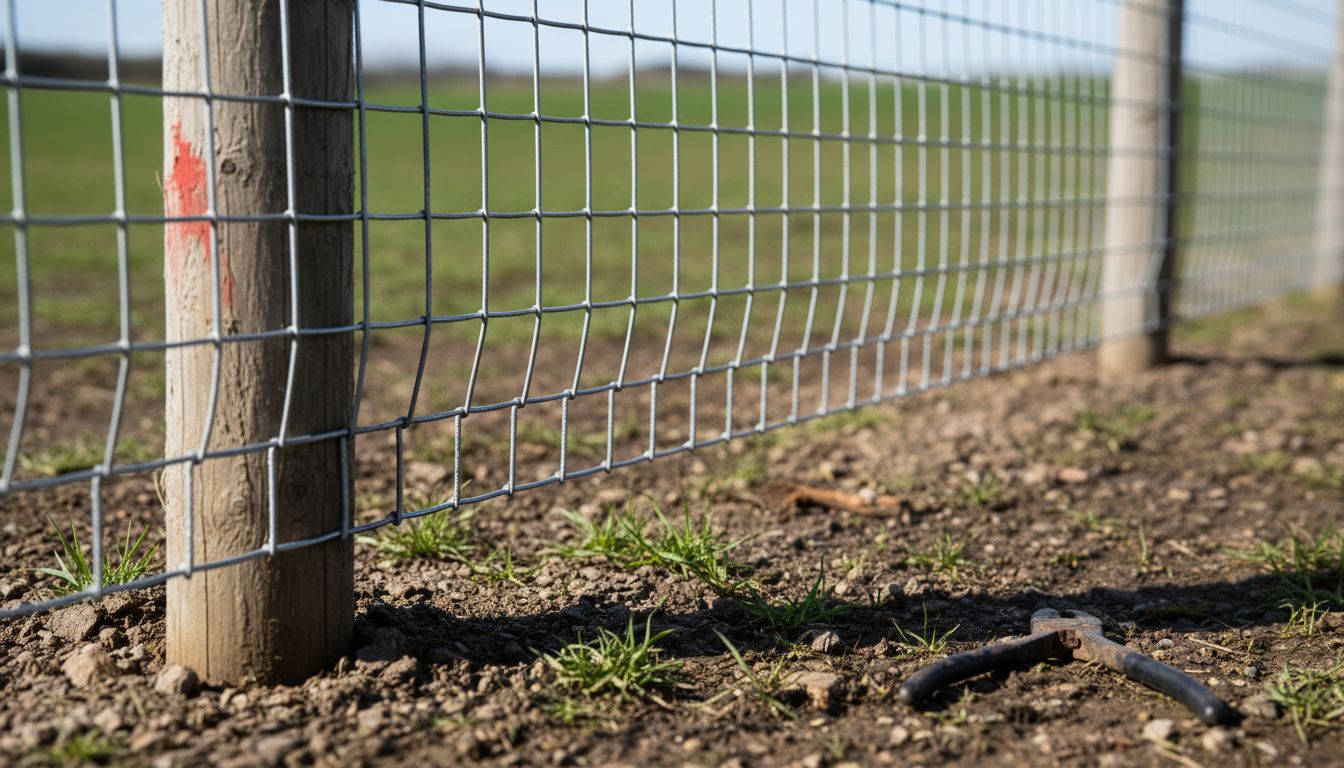
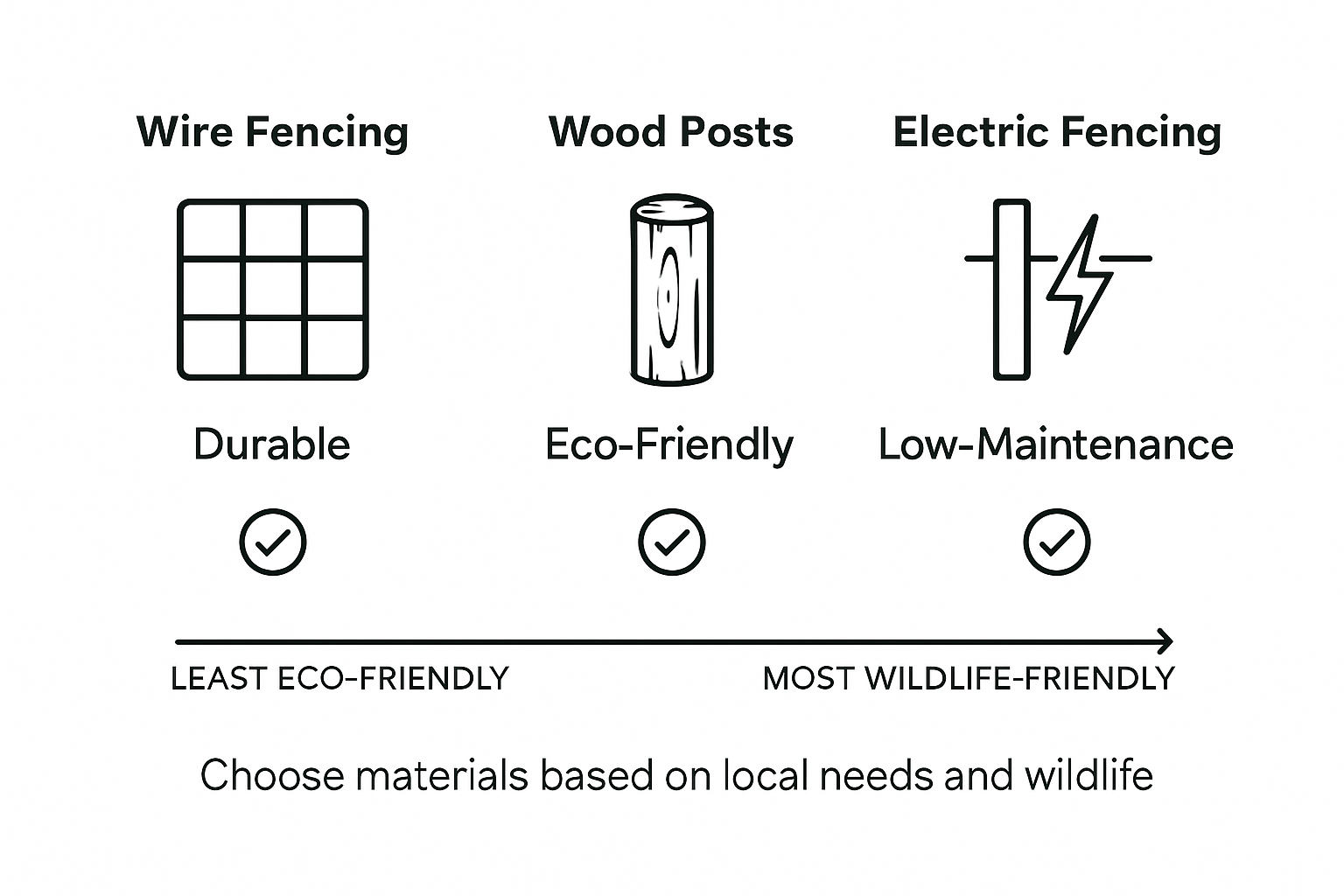
Essential material considerations for wildlife management involve selecting components that balance durability, cost-effectiveness, and ecological compatibility. Recommended materials typically include galvanized steel wire, wooden posts with rounded tops, and flexible tension systems that allow controlled movement.
Successful wildlife fencing transcends simple barrier construction. It represents a nuanced approach to land management that recognizes the delicate balance between agricultural productivity and ecosystem preservation. By implementing thoughtful design principles and selecting appropriate materials, landowners can create fencing solutions that protect both their agricultural investments and local wildlife populations.
Legal Requirements and Canadian Regulations
Wildlife fencing regulations in Canada represent a complex framework designed to balance agricultural productivity, environmental conservation, and animal protection. Landowners must navigate a nuanced legal landscape that varies across provincial and territorial jurisdictions.
Comprehensive wildlife fencing guidelines highlight critical legal considerations that Canadian property owners must address:
- Compliance with provincial environmental protection acts
- Adherence to local wildlife conservation regulations
- Respect for indigenous land use agreements
- Consideration of endangered species protection statutes
- Meeting agricultural land use standards
Specific wildlife fencing specifications typically require landowners to implement barriers that minimize animal injury while maintaining clear property boundaries. These regulations often mandate:
- Minimum and maximum fence height requirements
- Restrictions on wire tension and spacing
- Provisions for wildlife corridor maintenance
- Guidelines for material selection and durability
- Mechanisms for periodic regulatory compliance inspections
Successful navigation of Canadian wildlife fencing regulations demands a proactive approach. Landowners must consult local agricultural extension offices, provincial wildlife management agencies, and municipal authorities to ensure full compliance. By understanding and implementing these legal requirements, property owners can create fencing solutions that protect both their agricultural investments and local ecosystem integrity.
Preventing Common Fencing Mistakes and Failures
Wildlife fencing requires careful planning and strategic implementation to avoid costly and potentially dangerous mistakes. Property owners must understand the nuanced challenges that can compromise fence effectiveness and animal safety.
Critical wildlife fencing error prevention strategies highlight several common mistakes that landowners frequently encounter:
- Improper Wire Spacing: Creates entanglement risks for wildlife
- Inadequate Visibility: Increases potential animal collision hazards
- Inconsistent Height Configurations: Prevents effective animal movement
- Poor Material Selection: Reduces fence durability and performance
- Neglecting Terrain Variations: Compromises fence structural integrity
Comprehensive landowner fencing guidance emphasizes the importance of regular maintenance and strategic design. Successful wildlife fencing demands continuous assessment of fence conditions, understanding local ecosystem dynamics, and implementing adaptive management techniques.
Preventive maintenance is the cornerstone of effective wildlife fencing. Landowners must conduct periodic inspections, address structural weaknesses promptly, and remain responsive to changing environmental conditions. By anticipating potential failures and proactively managing fence infrastructure, property owners can create sustainable barriers that protect both agricultural investments and local wildlife populations.
Protect Your Farm and Wildlife with Expert Fencing Solutions
Balancing effective wildlife fencing with environmental safety is a challenge every rural landowner faces. The article highlights critical issues like preventing animal entanglement, preserving natural migration corridors, and complying with Canadian fencing regulations. You need fencing solutions that safeguard your livestock and crops while respecting the delicate ecosystem surrounding your property.

Take control of your fencing projects today with FenceFast.ca. We offer a wide range of high-quality fencing components, electric fencing systems, and animal management tools tailored for Canadian farmers and ranchers. Whether you are looking for durable smooth wire, reliable electric fence supplies, or expert guidance on wildlife-friendly fencing design, our selection and knowledge help you protect your investments and local ecosystems. Visit FenceFast.ca now to explore products and get started on creating safe and effective wildlife fencing that meets regulatory standards and supports agricultural success.
Frequently Asked Questions
What is wildlife fencing?
Wildlife fencing is a specialized barrier system designed to protect agricultural lands while allowing safe passage for wildlife. It balances livestock containment and crop protection with ecological conservation.
What are the primary objectives of wildlife fencing?
The main objectives of wildlife fencing include preventing livestock from wandering, protecting crops from wildlife damage, reducing animal mortality from fence interactions, maintaining natural migration corridors, and minimizing human-wildlife conflicts.
What types of materials are best for wildlife fencing?
Effective wildlife fencing materials typically include galvanized steel wire, wooden posts with rounded tops, and smooth wire to reduce animal entanglement risks. Durable and flexible configurations are also recommended to adapt to specific terrain challenges.
What are common mistakes to avoid when installing wildlife fencing?
Common mistakes include improper wire spacing, inadequate visibility for wildlife, inconsistent height configurations, poor material selection, and neglecting the impact of terrain variations on the fence’s structural integrity.

