

Over 80 percent of American farms now use some level of portable fencing for livestock management. As agricultural technology advances, American producers face growing pressure to adapt flexible solutions that can keep up with changing pasture and animal needs. If you need faster setup, smarter boundary control, or better animal tracking, understanding portable livestock fence systems can help you choose the best option for enhanced efficiency and farm productivity.
Table of Contents
- Defining Portable Livestock Fence Systems
- Comparing Fence Types And Configurations
- Key Features And Benefits Explained
- Typical Farm Applications And Use Cases
- Installation, Safety, And Regulatory Requirements
- Cost Considerations And Common Pitfalls
Key Takeaways
| Point | Details |
|---|---|
| Innovative Containment Solutions | Portable livestock fence systems offer flexible, mobile containment options that can adapt to varying grazing needs and terrain conditions. |
| Advanced Monitoring Technologies | Wireless monitoring and GPS-enabled tracking enhance livestock management through real-time data on animal health and grazing patterns. |
| Diverse Fence Configurations | Various types of portable fencing, including electric, mesh, and virtual systems, cater to different livestock management requirements. |
| Cost and Implementation Considerations | Successful adoption of portable fencing technologies requires careful financial planning and awareness of ongoing maintenance and training needs. |
Defining Portable Livestock Fence Systems
Portable livestock fence systems represent an innovative agricultural technology designed to provide farmers with flexible, mobile animal containment solutions. These systems go beyond traditional fixed fencing by offering dynamic boundaries that can be quickly repositioned, reconfigured, and adapted to changing grazing needs. Unlike permanent fence installations, portable fencing allows producers to rapidly modify pasture layouts, manage rotational grazing strategies, and respond to shifting terrain or crop management requirements.
Modern portable livestock fence systems come in several configurations, ranging from traditional wire and electric options to cutting-edge virtual fencing technologies using GPS-enabled tracking. These advanced systems create movable, invisible boundaries that guide animal movement without physical barriers. By utilizing GPS collars and specialized software, farmers can establish precise animal containment zones that can be instantly adjusted through digital interfaces. The technology works by providing animals with graduated warning signals - typically an initial audio alert followed by a mild electrical stimulus - which trains livestock to recognize and respect boundary limits.
Key characteristics of effective portable livestock fence systems include:
- Lightweight Materials: Typically constructed from aluminum, fiberglass, or high-tensile synthetic components
- Quick Setup: Can be installed or relocated within minutes
- Durability: Designed to withstand outdoor conditions and animal interaction
- Versatility: Adaptable to various livestock types including cattle, sheep, goats, and horses
Emergent technologies are expanding the capabilities of portable fencing beyond simple containment. Wireless monitoring systems now integrate sensor technologies that track livestock movement and activity, providing farmers with real-time data about grazing patterns, animal health, and environmental interactions. These innovative solutions represent a significant leap forward in agricultural management, transforming portable fencing from a simple boundary tool into a comprehensive livestock monitoring platform.
Comparing Fence Types and Configurations
Portable livestock fencing represents a critical technological solution for modern agricultural management, offering farmers unprecedented flexibility in animal containment and pasture management. Comprehensive fence comparisons reveal multiple configuration options that address diverse farm requirements, ranging from temporary electric systems to more permanent installations.
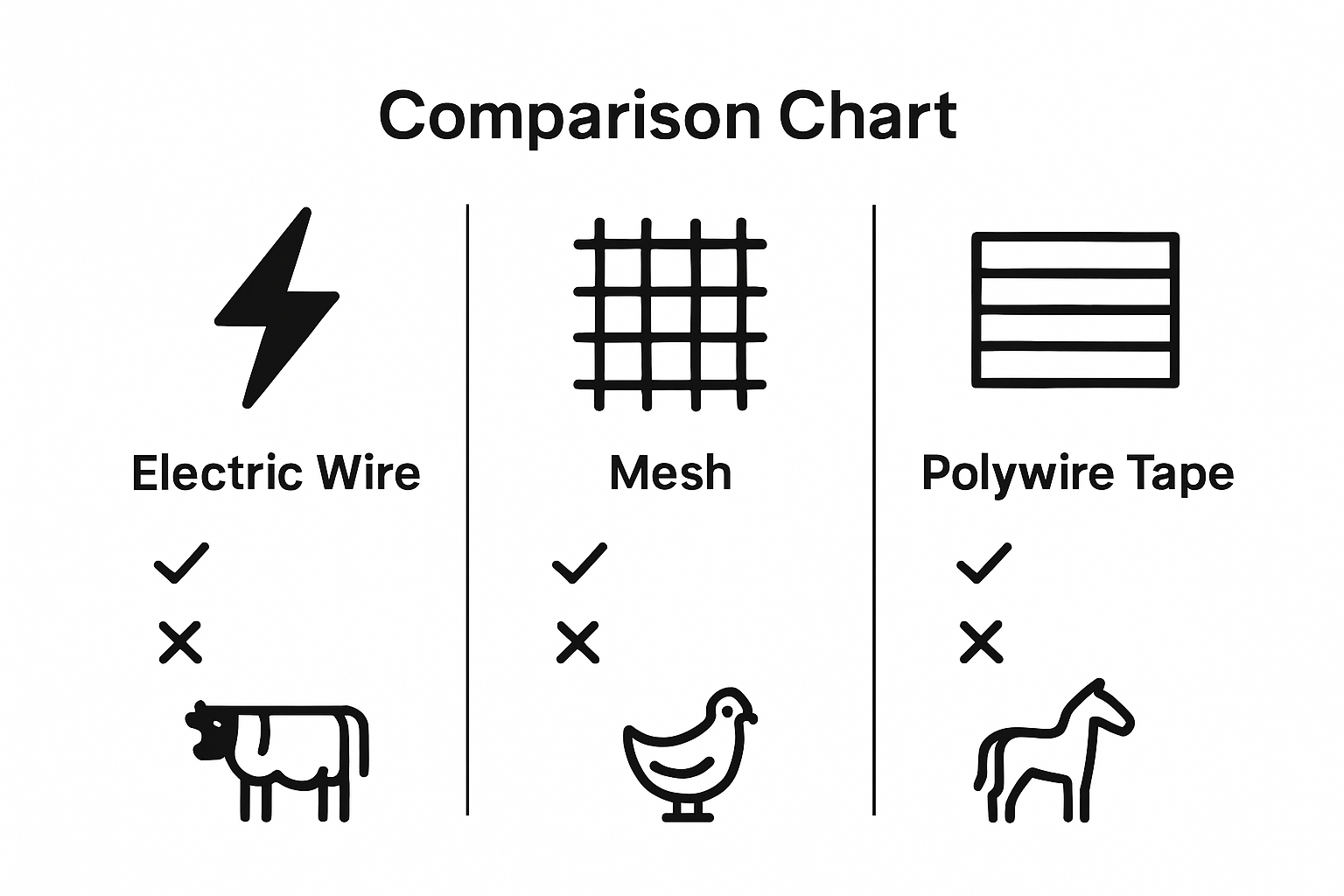
The primary portable fence configurations include several distinct types, each with unique characteristics and applications:
- Electric Wire Fences: Lightweight, easily movable systems that provide quick animal control
- Mesh Wire Fences: Durable configurations offering comprehensive animal containment
- Tape Fencing: Highly visible options ideal for training livestock and creating temporary boundaries
- Polywire Fences: Synthetic options that combine durability with lightweight portability
Modern electric fence technologies offer dynamic boundary management strategies, enabling farmers to create flexible containment zones that can be rapidly reconfigured. These systems use electric shocks as a psychological deterrent, training animals to respect designated boundaries without requiring extensive physical infrastructure. By leveraging these innovative approaches, agricultural producers can optimize grazing patterns, protect crops, and manage livestock movements with unprecedented precision.
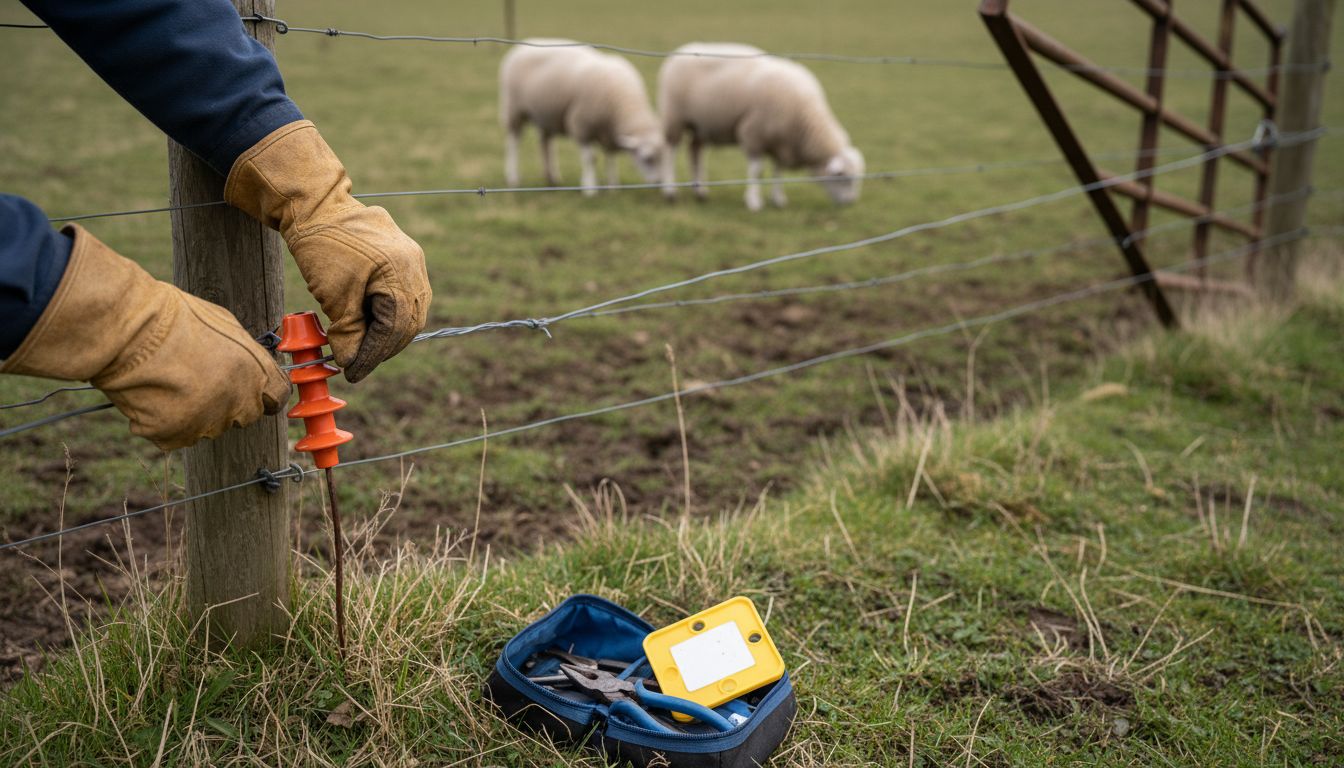
When selecting a portable fence configuration, farmers must consider critical factors such as animal species, terrain complexity, budget constraints, and intended duration of use. Lightweight synthetic materials have increasingly replaced traditional metal options, providing enhanced portability, reduced installation time, and improved resistance to environmental degradation. The evolution of portable fencing technologies continues to empower agricultural professionals with more sophisticated, adaptable animal management solutions.
Key Features and Benefits Explained
Portable livestock fence systems represent a technological breakthrough in agricultural management, offering farmers unprecedented control and flexibility in animal containment and monitoring. Virtual fencing technologies introduce innovative boundary management strategies that eliminate traditional physical infrastructure limitations, providing dynamic solutions for modern farming challenges.
Key features of advanced portable livestock fence systems include:
- Precision Tracking: GPS-enabled boundary setting
- Remote Management: Digital control of livestock movement
- Adaptive Boundaries: Instant reconfiguration of containment zones
- Minimal Infrastructure: Reduced need for physical fencing materials
- Environmental Protection: Ability to preserve sensitive habitats
Wireless monitoring technologies now enable comprehensive livestock tracking through multi-sensor systems, dramatically transforming how farmers understand and manage their herds. These advanced systems provide real-time data on animal activity, location, and health parameters, offering insights that were previously impossible to obtain without intensive manual monitoring. The integration of long-range communication technologies allows farmers to track livestock movements across expansive territories with minimal equipment and reduced labor costs.
The benefits of modern portable livestock fence systems extend far beyond simple containment. By providing granular control over animal movement, these technologies enable more sophisticated grazing management, improved pasture rotation strategies, and enhanced animal welfare monitoring. Farmers can now create precisely defined grazing zones, protect critical ecological areas, and collect detailed behavioral data that supports more informed agricultural decision-making. The result is a more efficient, sustainable, and technologically advanced approach to livestock management that represents a significant leap forward in agricultural innovation.
Typical Farm Applications and Use Cases
Portable livestock fence systems have revolutionized agricultural management by providing flexible solutions for diverse farming environments. Virtual fencing technologies enable sophisticated pasture management strategies, allowing farmers to create dynamic grazing zones that adapt to changing environmental conditions and livestock requirements.
Typical applications for portable livestock fence systems include:
- Rotational Grazing: Creating precise, movable grazing cells
- Habitat Protection: Excluding livestock from sensitive ecological areas
- Wildfire Mitigation: Creating strategic barriers and buffer zones
- Crop Land Management: Protecting crops while allowing controlled animal access
- Emergency Containment: Rapid deployment during unexpected situations
Advanced monitoring technologies support comprehensive livestock tracking in challenging agricultural environments, particularly in remote locations like alpine pastures and expansive rangelands. These systems provide real-time data on animal movement, health status, and grazing patterns, enabling farmers to make informed decisions about herd management and resource allocation. The integration of wireless tracking allows for unprecedented insights into livestock behavior, reducing manual monitoring requirements and improving overall farm efficiency.
Beyond traditional containment, portable fence systems serve as critical tools for precision agriculture. Farmers can now implement sophisticated management strategies that optimize land use, protect environmental resources, and enhance animal welfare. By providing granular control over livestock movement, these technologies support more sustainable farming practices, allowing producers to balance economic productivity with ecological conservation. The result is a more intelligent, responsive approach to agricultural management that leverages cutting-edge technological innovations.
Installation, Safety, and Regulatory Requirements
Implementing portable livestock fence systems requires careful attention to technical, safety, and legal considerations. Virtual fencing technologies demand precise GPS-enabled collar installations and comprehensive software configuration, ensuring accurate and humane animal management across diverse agricultural environments.
Critical installation requirements include:
- Equipment Preparation: Thorough testing of GPS collars and wireless systems
- Animal Training: Gradual conditioning to boundary responses
- System Calibration: Precise digital boundary mapping
- Network Connectivity: Ensuring robust wireless communication
- Backup Mechanisms: Installing manual override capabilities
Sensor-based monitoring systems require meticulous installation protocols to ensure animal comfort and data privacy, particularly in remote agricultural settings. Farmers must carefully balance technological implementation with animal welfare considerations, ensuring that tracking devices are non-intrusive and maintain appropriate standards of animal care. This involves selecting lightweight, ergonomically designed collars and implementing minimal electrical stimulus parameters that guide rather than punish animal behavior.
Regulatory compliance represents a crucial aspect of portable livestock fence system deployment. Farmers must navigate complex legal landscapes that vary by jurisdiction, addressing concerns related to animal welfare, data privacy, and environmental protection. This requires consulting local agricultural authorities, understanding regional livestock management regulations, and maintaining detailed documentation of fence system implementation. Successful deployment demands a holistic approach that integrates technological innovation with responsible agricultural practices, prioritizing both operational efficiency and ethical animal management.
Cost Considerations and Common Pitfalls
Portable livestock fence technologies represent a significant investment for agricultural producers, requiring careful financial planning and strategic implementation. Virtual fencing systems involve complex cost structures that extend beyond initial equipment procurement, encompassing ongoing software subscriptions, maintenance expenses, and necessary training programs.
Key cost considerations for portable livestock fence technologies include:
- Initial Hardware Investment: GPS collars, wireless transmitters, and base stations
- Software Licensing: Recurring digital platform and monitoring subscription fees
- Training Expenses: Staff education and animal conditioning programs
- Maintenance Budgets: Replacement parts, firmware updates, and technical support
- Connectivity Infrastructure: Wireless network setup and signal reliability
Advanced monitoring systems present unique financial challenges in remote agricultural environments, requiring farmers to carefully evaluate long-term operational costs against potential efficiency gains. The most common pitfalls include underestimating technological complexity, failing to budget for comprehensive training, and overlooking potential connectivity limitations in rural settings. Technical expertise becomes a critical factor, as successful implementation demands sophisticated understanding of both agricultural management and emerging digital technologies.
Savvy farmers approach portable livestock fence investments with a holistic perspective, conducting thorough cost-benefit analyses that consider not just immediate expenses, but potential long-term operational improvements. This involves calculating potential labor savings, enhanced grazing efficiency, and improved animal management capabilities against the technology’s upfront and recurring costs. By developing a nuanced financial strategy that anticipates potential challenges, agricultural producers can transform technological investment into a strategic advantage that drives farm productivity and sustainability.
Discover Flexible Portability with Expert Fencing Solutions
Farmers today face the challenge of managing livestock movement with precision and ease. The article highlights the need for portable livestock fence systems that offer quick setup, durability, and the ability to adapt grazing zones rapidly. Whether you are implementing rotational grazing or protecting sensitive habitats, controlling livestock boundaries efficiently is critical to improving farm productivity and animal welfare.
At FenceFast.ca, we understand these needs deeply. Our extensive range of fencing supplies, including electric fencing systems, durable wire options, and essential components, empowers you to build effective portable fencing tailored to your livestock and terrain. Combine this with our livestock management tools like RFID systems and weighing scales for a comprehensive, technology-driven approach to animal care.

Explore our selection today and take advantage of professional guidance to design your ideal portable livestock fence system. Act now to transform your farm’s animal containment with reliable, flexible fencing solutions by visiting FenceFast.ca. Unlock smarter livestock management that works on your schedule and land.
Learn more about how electric fencing technology can enhance your farm operations here Electric Fencing Systems. Start building your portable livestock fence system with confidence at FenceFast.ca.
Frequently Asked Questions
What are portable livestock fence systems?
Portable livestock fence systems are flexible, mobile fencing solutions that allow farmers to contain and manage their animals effectively. They can be quickly repositioned and adapted to meet changing grazing needs, unlike traditional fixed fencing.
How do virtual fencing technologies work?
Virtual fencing technologies use GPS-enabled devices to create invisible boundaries for livestock. Animals wear GPS collars that provide audio alerts and mild electrical stimuli to guide them within designated boundaries without physical barriers.
What are the main types of portable livestock fencing?
The main types of portable livestock fencing include electric wire fences, mesh wire fences, tape fencing, and polywire fences. Each type varies in durability, visibility, and application, allowing farmers to choose based on their specific needs.
What are the key benefits of using portable livestock fence systems?
Portable livestock fence systems offer numerous benefits, including flexible grazing management, precise animal control, environmental protection, reduced reliance on physical fencing, and enhanced monitoring of livestock health and behavior.

