

Safe livestock work comes down to seven equipment categories: restraint systems, capture tools, personal protective gear, guiding aids, facility items, transport and monitoring tools, and maintenance supplies. This guide walks through real examples of animal handling equipment for farmers, ranchers, and animal care professionals, with welfare-first practices drawn from the Humane Slaughter Association (HSA) built into every category, alongside notes on RFID tracking and where Fencefast fits into the picture.
TL;DR:
- Proper restraint and handling systems must be adjustable to fit different animal sizes to prevent stress and injury during routine procedures.
- Capture tools like coated snare poles and live traps are essential, and keeping spare equipment in a dedicated kit reduces animal escape risks.
- PPE such as bite-proof gloves and face shields protect handlers but can reduce dexterity, so lightweight alternatives should be used for fine tasks.
- Visual and sound guiding aids like flags, rattles, and enrichment toys are more effective stress reducers than physical contact, especially when used first.
- Regular inspection, correct sizing, and handler training are critical to prevent equipment failures and ensure safe, welfare-first animal management.
Table of Contents
- Restraint and Handling Systems for Routine Tasks
- Capture and Control Tools for Difficult Situations
- Personal Protective Equipment for Handler Safety
- Guiding and Behavioral Aids That Reduce Stress
- Facility Design and Physical Barriers That Work
- Transport, Containment, and Monitoring Equipment
- Routine Tools and the Maintenance Checklist That Prevents Failures
- Choosing the Right Gear for the Right Animal
- Where Fencefast Fits Into Your Handling Setup
- What Handlers Get Wrong Most Often
- Get the Right Gear Without the Guesswork
- Sources
- FAQ
Restraint and Handling Systems for Routine Tasks
Cattle squeeze chutes and headgates are the backbone of any working cattle operation. Most adjustable chutes squeeze down to fit animals ranging widely in size, with squeeze widths commonly adjusting from about 190 to 750 millimeters depending on the model and the size of the animal inside. That range matters because a chute set too wide does nothing to calm a nervous steer, and one set too tight risks injury.
Sheep operations rely on a different toolkit. Turnover cradles hold a sheep on its back for hoof trimming or vaccination without a handler wrestling the animal to the ground. Drafting gates sort sheep by weight or health status as they move through a race, and experienced handlers running a well-designed setup can draft up to 800 sheep per hour.
For horses and smaller stock, the tools scale down, but the principles stay the same:
- Halters sized to the individual animal, not a generic “one size fits most” fit
- Lead ropes in cotton or nylon, long enough to give handling room without creating a hazard underfoot
- Rope halters for training situations where more precise pressure and release cues matter
Fencefast’s overview of cattle handling systems breaks down how these pieces work together on a working farm.
Capture and Control Tools for Difficult Situations
Snare poles are the go-to tool when an animal needs to be caught without a handler getting within biting or kicking range. Coated cable nooses reduce the risk of injury compared to bare wire, and length choice depends on the job: shorter poles around 36 to 48 inches suit tight spaces like a barn stall, while 60-inch poles give more reach for fieldwork where an animal might bolt.
Nets and throw nets work well for birds and small mammals, but weave size matters. A net with gaps too wide can let small limbs or heads through, causing injury rather than preventing it.
Box-type live traps are the standard for capturing animals without direct contact. The Texas DSHS guidance on animal capture is clear that live traps should be favored over steel-jaw leghold traps, which are prohibited in many jurisdictions and cause needless injury.
- Snare poles with coated cable and quick-release locks
- Handled nets sized to the target species
- Box-type live traps rather than leghold designs
Pro Tip: Keep a spare set of capture tools in a dedicated kit rather than scattered around the barn. When an animal gets loose, the thirty seconds spent hunting for a snare pole is the thirty seconds that lets it escape.
Personal Protective Equipment for Handler Safety
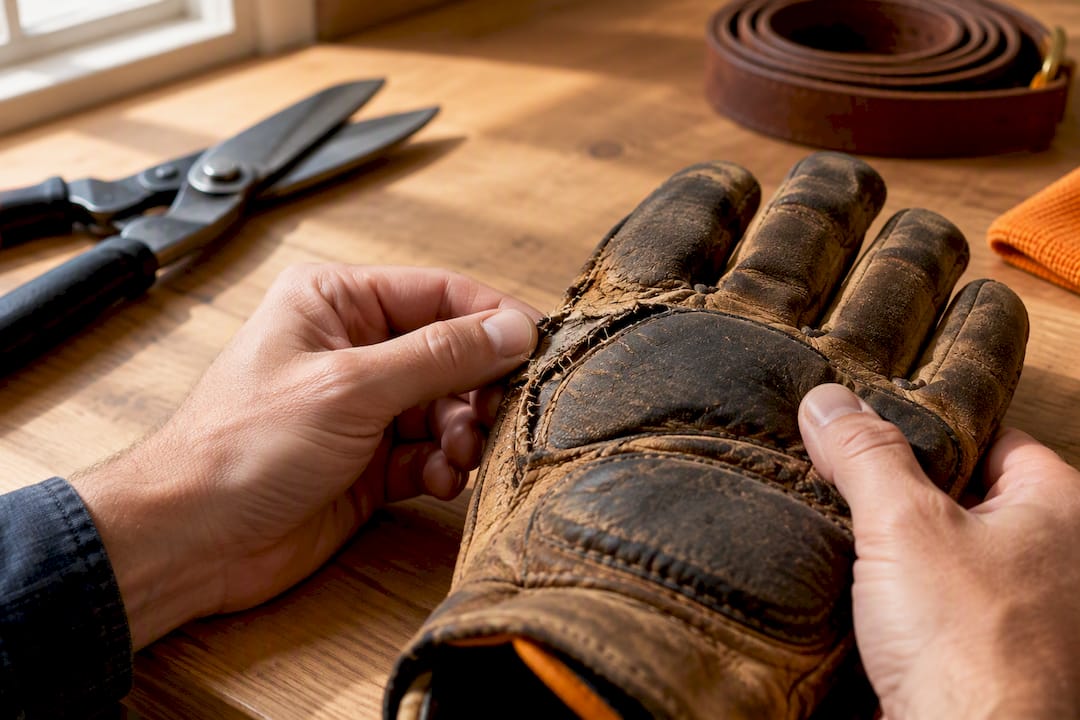
Bite-proof gloves and arm guards protect against the two most common handler injuries: bites and scratches during restraint. Face shields matter for anything that spits, kicks debris, or works overhead, and snake chaps are worth the investment for anyone checking pastures or brush in snake country.
Common PPE examples include:
- Bite-resistant gloves in leather or Kevlar-lined material
- Arm guards for handling that puts forearms at risk
- Face shields for close-contact restraint work
- Nitrile or puncture-resistant gloves for veterinary and health tasks
- Snake chaps for pasture and brush work
Heavier protective gear cuts dexterity, which is a real trade-off. A handler wearing thick bite gloves may struggle to thread a halter buckle or grip a syringe cleanly. The fix isn’t skipping the gloves. It is keeping a lighter secondary pair on hand for fine motor tasks once the animal is secured.
Check gear before every use for cracks in leather, frayed stitching along seams, and padding that has compressed or degraded. Worn PPE fails exactly when you need it most.
Guiding and Behavioral Aids That Reduce Stress
Flags, sorting boards, and rattles move animals without a hand ever touching them. The HSA is direct on this point: handling aids should work as extensions of the handler, guiding animals through visual and sound cues rather than being used to strike them.
Cattle and pigs respond well to flags and solid boards positioned to block or open a path. Sheep and pigs often move faster from a rattle or shaker than from a hand on the rump. In crates or traps, simple enrichment items, sometimes called worry toys, redirect a stressed animal’s attention and can measurably calm transport situations.
- Flags or paddles for cattle and pig lane work
- Solid sorting boards to block unwanted movement
- Rattles or shakers for sheep and pig groups
- Worry toys or chew items for crated or trapped animals
The rule of thumb: try the visual or sound cue first. Physical contact is the last resort, not the first move.
Facility Design and Physical Barriers That Work
Good facility design prevents most handling injuries before they happen. Cattle races need to be sized to the animals moving through them. FAO guidance sets race widths commonly between 500 and 700 millimeters, narrow enough to stop animals turning around but wide enough to avoid bruising.
- Squeeze chutes and drafting gates at the end of the race for the actual restraint or sorting task
- Holding pens sized for the group waiting their turn, kept calm and shaded when possible
- Temporary electric fencing for short-term paddock division or rotational control during handling days
- Solid rail orientation matters more than most people realize. Round timber rails need their butt-ends installed so nothing projects into the animal’s path, since a projecting edge is a common cause of bruising and torn hide
Layout beats hardware quality almost every time. A premium chute at the end of a poorly angled race still produces balking, backup, and injured animals.
Transport, Containment, and Monitoring Equipment
Crates and carriers need to fit the animal with enough room to stand and turn but not so much space that the animal is thrown around during transport. Blankets and padding inside a carrier reduce stress and prevent pressure injuries on longer trips.
Portable platform scales let handlers weigh animals as part of the normal chute workflow instead of running a separate weighing session, which improves recordkeeping and handling efficiency across an operation. Fencefast’s guide to matching scale type to your operation covers how throughput needs should drive that choice.
- Crates and carriers sized to the individual animal, not the species average
- Blankets or padding for temperature and impact protection
- Portable scales integrated into the chute or race
- RFID tags and readers for identification and basic health monitoring
RFID systems have become standard for traceability, and Fencefast’s breakdown of livestock identification methods explains how tag readers fit into a daily monitoring routine.
Routine Tools and the Maintenance Checklist That Prevents Failures
Beyond the big restraint systems, day-to-day husbandry runs on smaller hand tools: hoof knives and trimmers, ear tag pliers, drenching guns for oral treatments, and shears for wool or hygiene clipping. None of these tools are complicated, but every one of them fails eventually, usually at the worst moment.
Routine inspection prevents most equipment failures before they happen. Build a habit around these checks:
- Inspect straps, leads, and cables for fraying before every use
- Check locking mechanisms on chutes and gates weekly
- Clean tools after each use to prevent buildup that stresses hinges and blades
- Replace worn parts immediately rather than “getting one more use” out of them
A simple inspection log, tracking last-check date and any worn parts flagged, catches problems while they’re still cheap fixes rather than mid-task failures.
Choosing the Right Gear for the Right Animal
The equipment list matters less than the selection process behind it. Before buying anything, run through:
- Species and size: a tool built for cattle rarely translates safely to sheep or goats
- Temperament: a flighty animal needs more visual guiding aid work and less direct contact
- Environment: mud, cold, and uneven ground change what gear holds up
- Handler skill: the best equipment in untrained hands still produces bad outcomes
Welfare-first handling means de-escalating first: guiding aids before physical contact, and avoiding repeated shocks or goading that stresses animals without improving the outcome. Equipment quality matters, but professional guidance consistently points to training as the deciding factor in whether handling stays safe. A skilled handler with basic gear usually outperforms an unskilled handler with premium equipment.
Where Fencefast Fits Into Your Handling Setup
Fencefast carries the categories that support safe handling day to day: fence equipment for building or upgrading races and pens, weighing and reading tools for chute-side scales and tag readers, and animal health supplies for routine treatment tasks. For temporary containment during handling days, temporary electric fencing sections off holding areas fast.
For operations exploring GPS-based herd management instead of, or alongside, physical fencing, Gallagher eShepherd virtual fencing adds boundary control without a wire in the ground. Fencefast also offers design consultation and guidance on virtual-fencing funding programs for producers weighing the switch.
What Handlers Get Wrong Most Often
The biggest mistakes aren’t equipment choices. They’re process choices: skipping inspection until something breaks, reaching for physical force before trying a flag or board, buying gear sized for the average animal instead of the actual herd, undertraining new handlers on tools they’ll use daily, and treating PPE as optional on routine days.
A quick pre-use checklist fixes most of it: check straps and locks, confirm the right tool for this animal’s size and temperament, and try the least invasive method first.
— Juiced
Get the Right Gear Without the Guesswork
This approach offers the convenience of sourcing handling equipment from a single catalog covering fence equipment, weighing and reading tools, animal health supplies, and both temporary and permanent electric fencing, backed by design consultation for producers who want a second opinion before they build.
If your setup still relies on manual moves and gut instinct for boundaries, the Gallagher eShepherd virtual fencing system adds GPS-based herd control without new wire, and Fencefast’s team can walk you through funding programs that offset the cost. Browse the weighing and reading collection to see chute-side scales that fit straight into your existing handling workflow, or start a design and consultation conversation to plan your next race or pen layout before you buy a single component.
Sources
- Handling Aids - Humane Slaughter Association
- Animal capture and restraint guidance (Texas DSHS)
- Safer animal restraint practices and better equipment | ACES
FAQ
What Equipment Is Used for Animal Handling?
Animal handling equipment spans restraint systems like chutes and headgates, capture tools like snare poles and nets, PPE like bite gloves and face shields, and guiding aids like flags and rattles. Facility items such as races and holding pens, plus transport and monitoring tools like crates and RFID readers, round out a complete setup.
What Are the Main Types of Handling Equipment?
The main categories are restraint and control systems, capture tools, personal protective equipment, guiding and behavioral aids, facility barriers, and transport and monitoring gear. Each category serves a different stage of the handling process, from initial capture through routine health checks.
What Are Safe Ways to Handle Animals?
Safe handling starts with using visual and sound cues, like flags or rattles, before any physical contact, following HSA guidance on handling aids. It also means matching equipment to species and size, inspecting gear before every use, and prioritizing trained handlers over relying on equipment alone.
How Do I Choose the Right Animal Handling Gear?
Match gear to species, size, temperament, and the environment you’re working in, then confirm the handler has the training to use it correctly. A chute or halter that fits the animal and the setting beats a generic “universal” tool almost every time.
Does Fencefast Sell Animal Handling Equipment?
Fencefast carries fence equipment, weighing and reading tools, animal health supplies, and both permanent and temporary electric fencing relevant to handling setups. Current pricing for each collection is available directly on the Fencefast site.

