

Fence failures can leave livestock vulnerable, disrupt grazing routines, and increase stress for Canadian farmers. When an electric fence stops working, the problem often starts with weak power delivery or neglected connections—not just faulty wires. Identifying issues with power supply, grounding, and fence line faults gives you control over livestock safety. This guide offers clear steps to restore reliable performance, including tips for spotting corrosion, vegetation contact, and maintaining consistent voltage across your system.
Table of Contents
- Step 1: Assess Power Supply And Connections
- Step 2: Inspect Fence Line For Faults
- Step 3: Test And Replace Faulty Components
- Step 4: Verify Electric Fence Performance
Quick Summary
| Key Point | Explanation |
|---|---|
| 1. Check Power Sources Regularly | Confirm your energizer is receiving power from the outlet or battery before troubleshooting further issues. |
| 2. Inspect Fence Line for Vegetation | Remove any vegetation touching the wire to prevent shorts that steal power from your electric fence. |
| 3. Test Voltage at Multiple Points | Use a voltmeter to ensure each section of your fence has adequate voltage between 4,000 and 8,000 volts. |
| 4. Maintain Connections and Ground | Regularly clean and tighten connections to avoid corrosion and ensure effective grounding for the system. |
| 5. Document Maintenance and Repairs | Keep a record of voltage readings and component replacements to track the performance and reliability of your electric fence. |
Step 1: Assess Power Supply and Connections
Your electric fence depends entirely on a reliable power source reaching the energizer and proper connections carrying that energy to your livestock. When something goes wrong, the issue usually traces back to power delivery or weak connections rather than the fence itself.
Start by checking whether your energizer is receiving power. For AC-powered units, verify the outlet is functioning by plugging in a lamp or phone charger. If nothing lights up, try a different outlet. Battery-powered systems need a visual inspection of the battery itself—look for corrosion, loose terminals, or obvious damage.
Once you confirm power reaches the energizer, test the actual output. Most energizers have a light indicator that blinks when operating. No light means the unit isn’t converting power into pulses, which is a major red flag.
Next, examine all physical connections:
- Check where the ground cable connects to the energizer terminal (should be tight and corrosion-free)
- Inspect the hot wire connection at the energizer output
- Look for loose nuts, green corrosion, or oxidized copper that breaks electrical flow
- Pull gently on each connection—it should not move
Corrosion kills fence performance faster than almost anything else on Canadian farms. Even slight green or white buildup on terminals prevents current from flowing properly. Understanding ground rod installation ensures your system completes its electrical circuit effectively.
Your grounding system is equally critical. The energizer sends a pulse through the fence wire, and that pulse must return through the ground to complete the circuit. Without solid ground connections, animals feel no shock regardless of the energizer’s power.
A weak ground connection is the most common reason rural electric fences fail silently—the system looks operational, but livestock barely feel the shock.
Check your ground rod connection points where the cable attaches to the rod. These are notorious trouble spots. The connection should be tight, and the area should be clean metal-to-metal contact.
Pro tip: Keep a wire brush in your fencing kit and clean energizer terminals and ground connections monthly; this single habit prevents most power-related failures before they stop your fence.
Step 2: Inspect Fence Line for Faults
Now that you’ve confirmed power reaches your energizer, it’s time to walk the entire fence line and look for problems that break the circuit. A single point of contact between the fence and ground can drain all your voltage and leave livestock unprotected.
Start at one corner and walk slowly along the fence, examining both sides. You’re looking for anything touching the wire that shouldn’t be there. Wet grass, tree branches, weeds, and even fallen leaves create shortcuts that steal electrical current from your animals.
Pay special attention to these common problem areas:
- Vegetation growing against or touching the fence wire
- Sagging wires that dip into tall grass or mud
- Damaged insulators that allow wire to contact wooden posts
- Broken or loose wires with exposed ends
- Fallen branches or debris resting on the fence
- Rust or corrosion on wire connectors
Vegetation is the biggest offender on Canadian farms. A single wet thistle or tree branch touching your hot wire creates a short circuit that reduces voltage significantly. Sagging wires and damaged insulators directly disrupt current flow and make your fence ineffective.
Check insulators carefully. These plastic or ceramic pieces keep the wire from touching conductive materials. Cracked, missing, or poorly installed insulators let the wire settle against wooden posts, which conducts electricity straight into the ground.
Vegetation contact is responsible for up to 50 percent of rural fence failures—what looks like a healthy fence may be quietly losing power through a single wet weed.
Look for broken wire sections where animals have pushed through or weather has damaged the fence. Even small breaks stop the electrical pulse from reaching that section, creating an escape route for livestock.
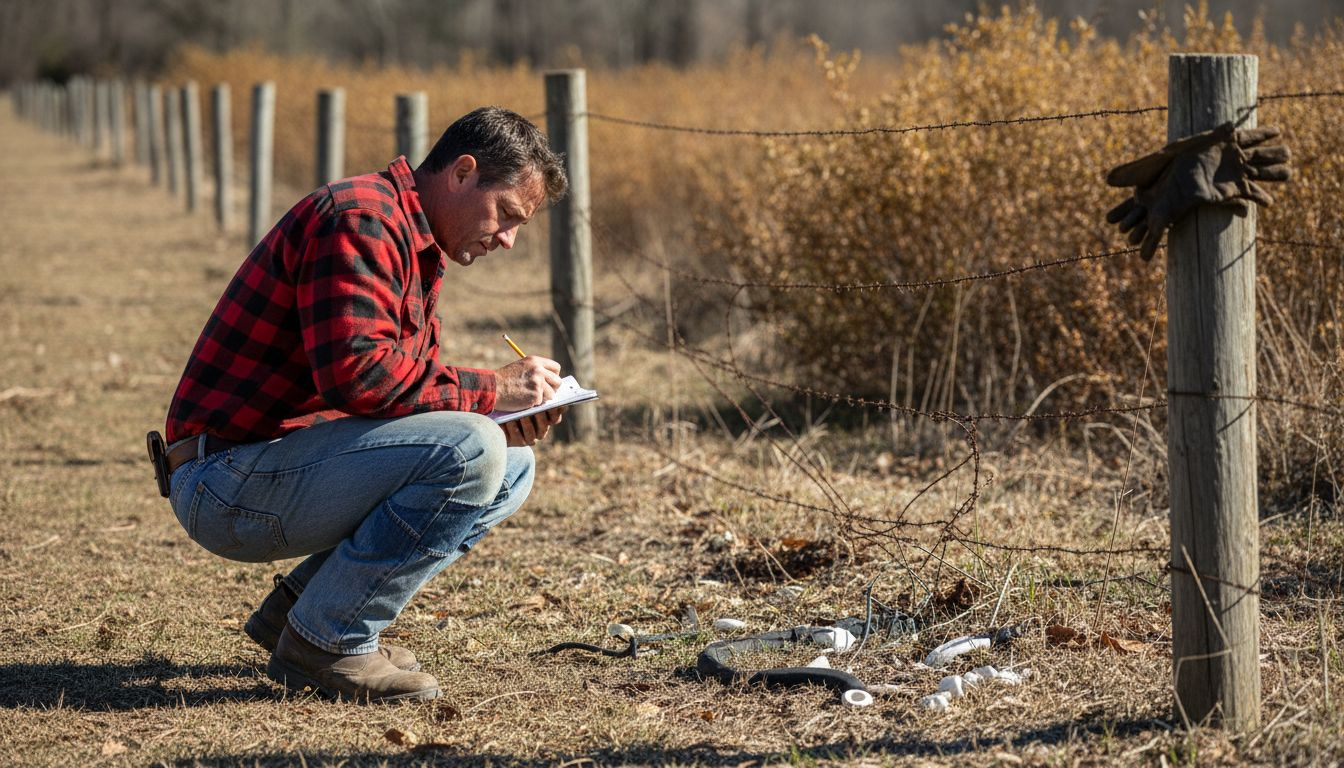
Make notes of every problem you find. Photograph trouble spots so you remember exactly what to fix. Then remove vegetation touching the fence and tighten any loose connections or insulators.
Here’s a summary comparing common electric fence issues and their likely causes:
| Problem Location | Most Likely Cause | Typical Solution |
|---|---|---|
| At the energizer | No power or unit failure | Replace energizer or restore power |
| Along fence line | Vegetation or wire damage | Clear plants, fix wires |
| At ground rod | Poor connection or corrosion | Clean and tighten connection |
| At insulator | Cracked or missing insulator | Replace faulty insulators |
Pro tip: Clear a two-foot zone on both sides of your fence line each spring; this single maintenance task prevents 80 percent of vegetation-related shorts before they happen.
Step 3: Test and Replace Faulty Components
You’ve checked power and inspected the fence line. Now it’s time to test individual components to pinpoint exactly what’s failing. A voltmeter becomes your most valuable tool for diagnosing electric fence problems.
Start by measuring voltage at different points along the fence. Touch one probe to the hot wire and the other to a ground rod or wet soil. A healthy fence should read between 2,000 and 8,000 volts depending on your energizer size. If voltage drops significantly along the fence, you’ve found a problem area.
Test these components systematically:
- Energizer output by measuring at the terminal
- Fence voltage at multiple points along the wire
- Ground connections by checking resistance to earth
- Individual insulators by isolating wire sections
- Wiring for breaks or weak connections
When you find low voltage in a specific section, systematic troubleshooting with a voltmeter helps isolate whether the problem is a broken wire, corroded connection, or faulty insulator.
Faulty energizers are common culprits. If voltage is near zero at the energizer output despite confirmed AC or battery power, your energizer has failed internally. These units rarely repair successfully and usually require replacement.
Damaged insulators reduce effectiveness by allowing current to escape through wooden posts. Replace any cracked, missing, or discolored insulators. Corroded wire connections steal voltage and need cleaning or replacement.
A single corroded connection point can reduce your entire fence voltage by 50 percent or more—it’s why testing specific sections matters.
When replacing components, always disconnect power first. Install new insulators snugly against posts. Tighten all wire connections firmly. Use stainless steel or galvanized hardware that resists corrosion in Canadian weather.
After making replacements, measure voltage again. Your fence should return to normal operating levels. Document which components you replaced and when so you know what’s been serviced.
Pro tip: Keep a spare energizer, extra insulators, and replacement wire on hand during grazing season; you’ll fix problems in minutes instead of losing livestock containment for days.
Step 4: Verify Electric Fence Performance
You’ve repaired the obvious problems. Now it’s time to confirm your fence actually works. A quick performance check ensures your livestock stays contained and your peace of mind is restored.
Use a fence tester to measure voltage at multiple points along your fence line. Walk the entire perimeter and take readings every 50 meters or so. This reveals whether voltage remains consistent or drops in specific areas indicating remaining problems.
Your fence should read at least 4,000 volts at every test point to effectively contain livestock. If readings are lower, you have additional faults to address. Using a fence tester systematically along the entire line identifies weak spots before animals test your fence.
Check these critical locations:
- At the energizer output terminal
- At the beginning of each fence section
- Near gates or problem areas
- At the far end of long fence runs
- After any repair you made
Consistent readings across all points mean your fence has no shorts and proper grounding. Voltage should be steady, not fluctuating. If readings drop significantly from the energizer to distant points, you may have additional grounding issues or wire damage.
Test your fence with animals nearby if possible. A properly functioning fence makes livestock respect the boundary instantly. They’ll learn quickly to avoid contact after one or two touches.
A fence that reads 4,000 volts or higher consistently across all test points provides both psychological and physical containment that actually works.
Document your final voltage readings. Take photos of the gauge showing good numbers. This baseline helps you spot problems faster next time if performance drops.
Perform these verification checks quarterly during grazing season. Regular testing catches developing problems before they become failures. Autumn testing before winter storage ensures your fence is ready for spring pasturing.
Pro tip: Keep a simple fence tester on your ATV or truck year-round; spending 20 minutes checking voltage monthly prevents emergency fence failures that cost you livestock.
This table highlights the value of regular electric fence testing and maintenance:
| Task | Frequency | Main Benefit |
|---|---|---|
| Clean connections | Monthly | Prevents voltage loss |
| Fence line inspection | Each season | Stops undetected shorts |
| Voltage testing | Monthly/Quarterly | Detects hidden faults early |
| Ground rod check | Biannually | Ensures effective grounding |
Restore Your Electric Fence Power and Protect Your Livestock Today
If your electric fence is not working as it should, the frustration of weak voltage, poor grounding, and persistent shorts can put your livestock at risk. The article highlights common pain points such as corrosion on connections, vegetation causing shorts, damaged insulators, and faulty energizers that quietly undermine your fence’s performance. These challenges may feel overwhelming but addressing them quickly is essential to avoid costly escapes or animal injuries.
At FenceFast.ca, we understand how critical reliable fencing is for Canadian farmers and rural property owners. Our extensive range of electric fencing systems, including energizers, grounding supplies, insulators, and durable wires, has been carefully selected to combat exactly these issues. With our expert support and nationwide shipping, you get everything needed for maintenance, repair, or complete upgrades. Plus, our animal management tools help you verify fence effectiveness to keep peace of mind.

Do not let a failing fence jeopardize your operation any longer. Visit FenceFast.ca now to find powerful electric fencing solutions designed for Canadian conditions. Equip yourself with quality components and preventative tools so you can maintain the strong, shock-effective fence your livestock deserves. Act fast because every moment counts when it comes to securing your animals and your farm’s future.
Frequently Asked Questions
What should I check first if my electric fence is not working?
Start by assessing the power supply and connections to your energizer. Ensure the energizer is receiving power and check all connections for corrosion or looseness.
How can I identify if there’s an issue with the fence line?
Inspect the entire fence line for any vegetation or debris touching the wire. Look for sagging wires, damaged insulators, or broken wires that could disrupt the current flow.
What should I do if the voltage is low when testing my electric fence?
Test specific components along the fence using a voltmeter to pinpoint the issue. Check the energizer output, ground connections, and individual wire sections to identify areas needing repair.
How can I improve my electric fence’s performance after repairs?
Verify the fence’s performance by conducting thorough voltage tests at multiple points along the line. Aim for voltage readings of at least 4,000 volts to ensure effective livestock containment.
How often should I perform maintenance on my electric fence?
Conduct routine maintenance monthly during the grazing season, including cleaning connections and inspecting the fence line. Regular checks catch issues early and enhance overall fence reliability.
What is the best practice for grounding my electric fence?
Ensure solid ground connections by cleaning and tightening the ground rod connection points. Perform these checks biannually to maintain effective grounding and minimize performance issues.

