

Managing livestock across changing pastures often means fighting escape attempts and struggling with inefficient boundaries. For Canadian farmers and ranchers, keeping animals safe and optimizing grazing can be a daily challenge. A portable electric fence system offers flexibility and reliable containment, allowing you to move enclosures, guide animals with ease, and minimize fence maintenance while protecting valuable assets.
Table of Contents
- What Is A Portable Electric Fence System?
- Core Components And How It Works
- Types And Power Sources Compared
- Common Applications And Livestock Benefits
- Setup, Maintenance, And Cost Factors
- Risks, Regulations, And Safety Practices
Key Takeaways
| Point | Details |
|---|---|
| Portable Electric Fences | These systems offer flexible boundary control for livestock, providing a quick setup and reconfiguration for optimal pasture management. |
| Core Components | Essential parts include a power energizer, conductive wires, and insulated posts, which work together to contain livestock through electrical pulses. |
| Power Source Options | Battery, solar, and AC-powered systems each have unique benefits, making it essential to choose based on specific agricultural needs. |
| Safety Considerations | Regular voltage checks and proper installation are critical to ensure safety and compliance with regulatory standards. |
What Is a Portable Electric Fence System?
A portable electric fence system is a flexible livestock management solution designed to provide temporary and movable boundary control for agricultural settings. These innovative systems allow farmers and ranchers to create secure enclosures that can be quickly deployed, repositioned, and adjusted based on changing pasture needs. Unlike traditional permanent fencing, portable electric fences use electrical pulses to create a psychological and physical barrier that effectively contains livestock.
The core components of a portable electric fence system typically include a power energiser, lightweight conductive wires, insulated posts, and grounding equipment. The energiser, which can be battery or solar-powered, generates short, high-voltage electrical pulses through the wire. When an animal contacts the fence, they receive a brief, startling shock that deters them from crossing the boundary. This mechanism creates a psychological deterrent that prevents animals from challenging the fence without causing lasting harm.
Portable electric fence systems offer significant advantages for Canadian farmers and ranchers. They provide unprecedented flexibility in livestock management, allowing rapid reconfiguration of grazing areas, quick establishment of temporary paddocks, and efficient rotational grazing strategies. Farmers can easily move fencing to optimize pasture usage, protect sensitive landscape areas, or quickly segregate animals when needed. The lightweight, modular design means these systems can be transported and set up with minimal labor, making them an ideal solution for dynamic agricultural environments.
Pro tip: When setting up a portable electric fence, always test the voltage and ground connection before introducing livestock to ensure proper functionality and animal safety.
Core Components and How It Works
Portable electric fence systems are sophisticated yet straightforward livestock management technologies composed of several critical components that work together to create an effective containment solution. Electric fence systems fundamentally rely on electrical circuit principles to establish a psychological and physical barrier that prevents animal movement across designated boundaries.
The primary components of a portable electric fence include the energizer (power unit), conductive wires, insulated fence posts, and grounding equipment. The energizer serves as the heart of the system, generating controlled electrical pulses that travel through the conductive wire. Modern energizers can be powered by multiple sources, including battery, solar, or mains electricity, providing flexibility for different agricultural environments. When an animal touches the electrified wire, the energizer creates a brief, sharp electrical shock that serves as a powerful deterrent without causing permanent harm.
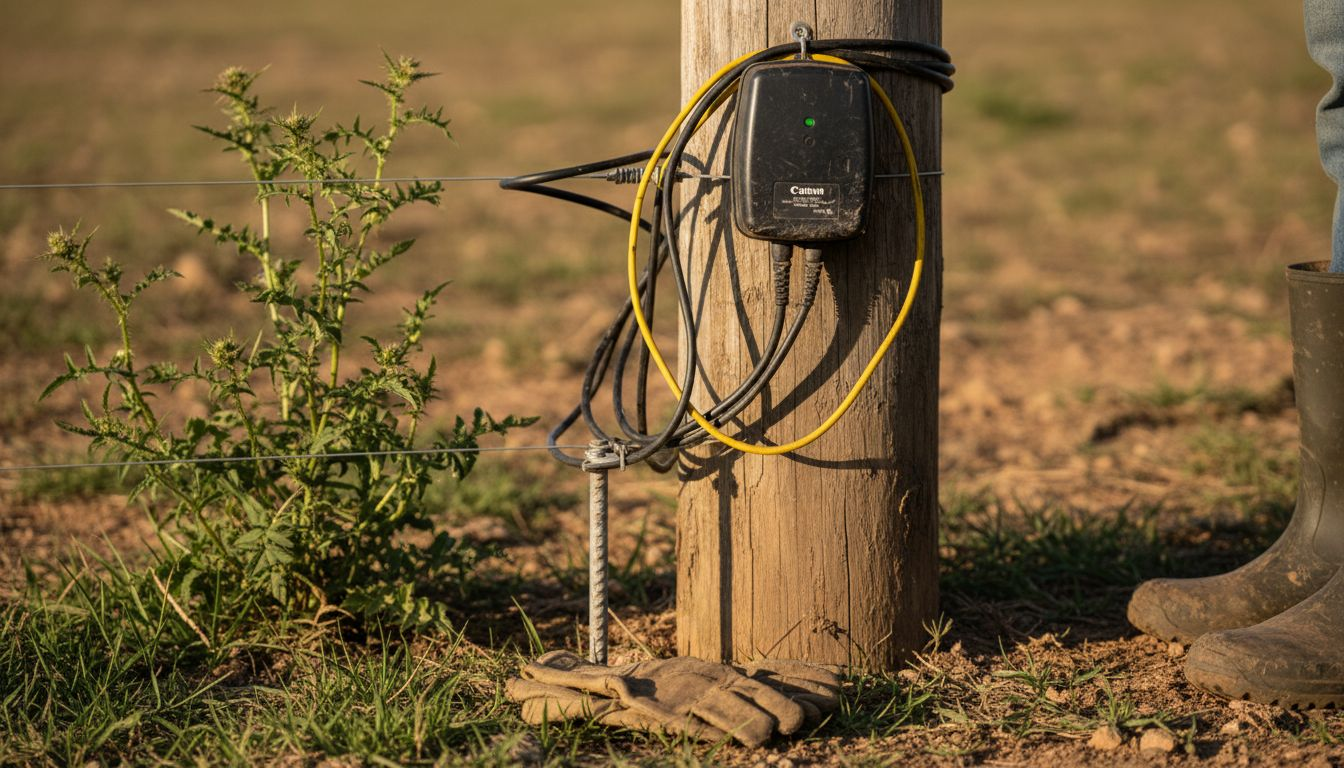
The electrical circuit’s functionality depends on precise grounding and connectivity. A grounding rod is typically driven into the soil, creating an essential connection that completes the electrical pathway. When an animal touches the charged wire and simultaneously contacts the ground, they complete the circuit, experiencing a quick, startling pulse that conditions them to avoid the fence. This mechanism relies on creating a psychological barrier more than a physical obstruction, teaching livestock to respect boundary limits through a momentary, uncomfortable sensation.
Pro tip: Regularly inspect your grounding system and energizer connections to ensure optimal electrical conductivity and fence effectiveness, as poor grounding can significantly reduce the fence’s deterrent capabilities.
Types and Power Sources Compared
Portable electric fence systems offer multiple power configurations designed to meet diverse agricultural needs across different environments. Electric fences utilize multiple direct current power sources including battery, solar, and mains electricity, each with unique advantages for livestock management and boundary control.
The three primary power sources for portable electric fences include battery-powered, solar-powered, and AC-powered systems. Battery-powered energizers provide maximum portability, allowing farmers to deploy fencing in remote pastures or areas without electrical infrastructure. These units typically use 9-volt or 12-volt batteries that can operate for several weeks to months depending on fence length and usage. Solar-powered energizers represent an increasingly popular option, featuring integrated solar panels that charge internal batteries, making them ideal for expansive rural properties with consistent sunlight. These systems reduce operational costs and provide sustainable energy solutions for long-term fence management.
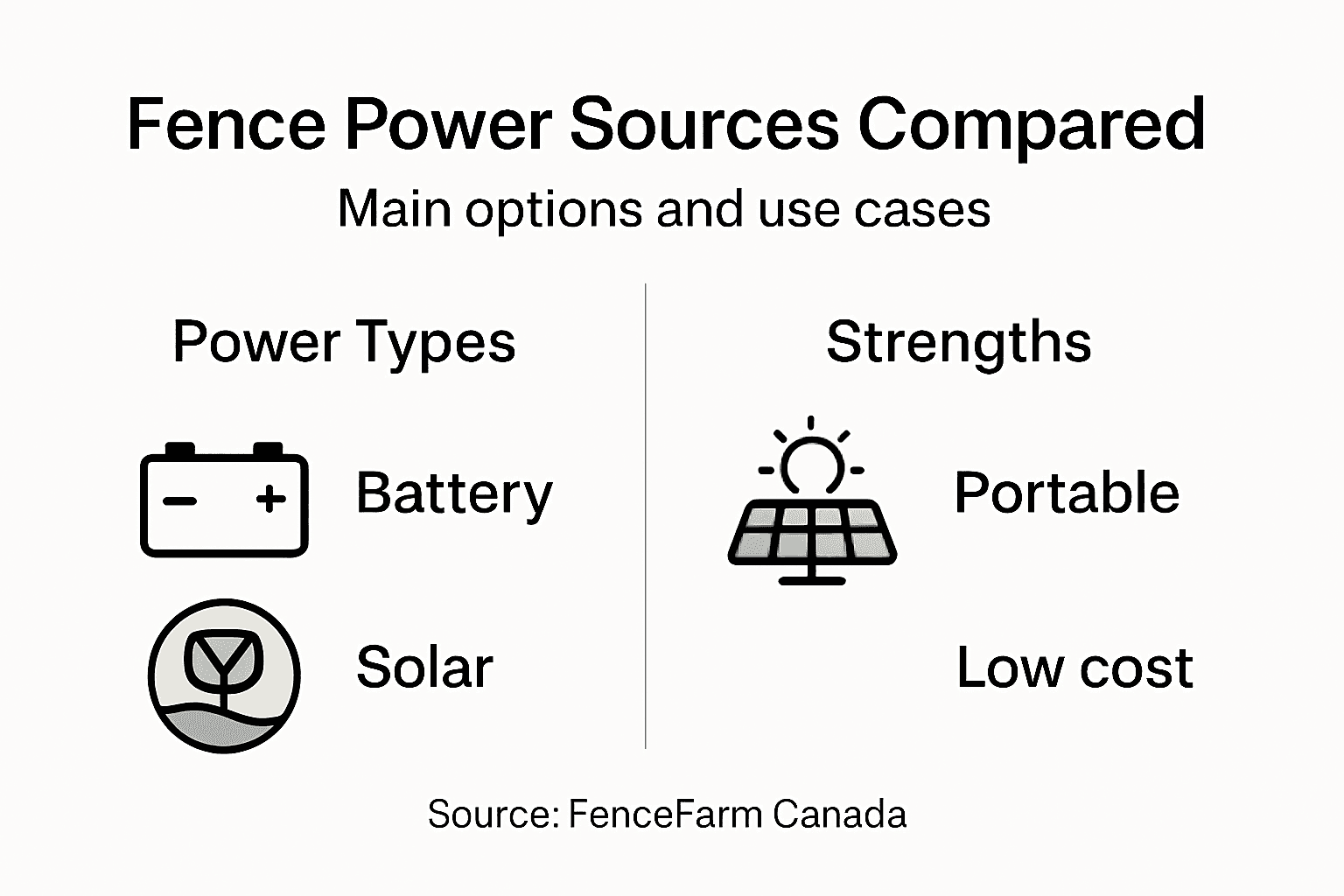
AC-powered energizers remain the most consistent power source for stationary or semi-permanent fencing installations. While less portable, they deliver uninterrupted electrical pulses and eliminate battery replacement concerns. The choice between power sources depends on specific farm requirements, including terrain accessibility, budget constraints, maintenance capabilities, and the frequency of fence repositioning. Factors like sunlight exposure, distance from power sources, and anticipated fence mobility will ultimately determine the most appropriate power configuration for a particular agricultural setting.
Here’s how the main power source options for portable electric fences compare:
| Power Source | Strengths | Typical Use Cases |
|---|---|---|
| Battery | Highly portable, easy setup | Remote pastures, temporary use |
| Solar | Sustainable, low maintenance | Large fields, off-grid areas |
| AC (Mains) | Most consistent output | Semi-permanent installations |
Pro tip: Always keep spare batteries or a backup power source on hand, and periodically test your energizer’s voltage output to ensure consistent fence performance and livestock containment.
Common Applications and Livestock Benefits
Portable electric fences have revolutionized livestock management by providing flexible, dynamic solutions for farmers across various agricultural settings. Livestock protection strategies utilize electric fencing to create psychological barriers that effectively control animal movement while minimizing stress and potential injuries associated with traditional fencing methods.
The primary applications for portable electric fencing encompass several critical agricultural management strategies. Rotational grazing emerges as a primary use, allowing farmers to quickly subdivide pastures and control livestock movement, ensuring even grass consumption and preventing overgrazing. These systems are equally valuable for predator protection, creating secure boundaries around livestock pens, feed storage areas, and animal enclosures. Farmers can swiftly adapt their fencing to changing landscape conditions, seasonal variations, and specific herd management requirements.
Beyond basic containment, portable electric fences offer significant welfare benefits for livestock. Wildlife management techniques demonstrate their effectiveness in reducing animal stress by providing a non-invasive boundary control method. Unlike rigid physical barriers, electric fences create a psychological deterrent that teaches animals to respect boundaries without causing permanent harm. This approach is particularly beneficial for young animals learning pasture limits, reducing the likelihood of escape attempts and minimizing potential injuries from traditional fencing materials.
Pro tip: Regularly inspect and maintain your portable electric fence’s grounding system and voltage levels to ensure consistent performance and maximum effectiveness in livestock management.
Setup, Maintenance, and Cost Factors
Portable electric fencing requires strategic planning and careful implementation to ensure effective livestock management. Proper installation involves multiple critical steps that contribute to the system’s overall performance and longevity. The initial setup demands meticulous attention to site preparation, post placement, wire tensioning, and electrical connectivity.
The core installation process begins with clearing the designated fence area, removing vegetation and obstacles that might interfere with wire tension or grounding. Key installation steps include securing sturdy fence posts at consistent intervals, attaching high-quality insulators, and connecting conductive wires to the energizer. Proper grounding represents a critical component, requiring a dedicated grounding rod driven deep into moist soil to complete the electrical circuit. Solar-powered energizer systems offer long-term cost benefits despite higher initial investments, providing sustainable power solutions for remote agricultural locations.
Ongoing maintenance is crucial for maintaining the electric fence’s effectiveness and reliability. Farmers must conduct regular voltage checks, inspect wire tension, and manage vegetation growth that could potentially create electrical shorts. Cost factors vary significantly based on fence length, energizer type, wire quality, and specific agricultural requirements. While initial setup costs can range from several hundred to several thousand dollars, the long-term benefits of reduced livestock losses and improved pasture management often justify the investment. Solar and battery-powered systems require periodic battery replacement and panel cleaning, adding to the overall maintenance considerations.
This table summarizes key maintenance and cost factors for portable electric fence systems:
| Factor | Impact on Fence System | Cost Consideration |
|---|---|---|
| Regular Voltage Checks | Ensures effectiveness | Minimal tool investment |
| Wire Tensioning | Reduces risks of escape | Labor cost or DIY |
| Battery Replacement | Maintains power reliability | Ongoing battery expense |
| Vegetation Control | Prevents electrical shorts | Regular time commitment |
Pro tip: Create a monthly maintenance checklist that includes voltage testing, wire inspection, and battery condition assessment to prevent unexpected fence failures and maintain optimal livestock protection.
Risks, Regulations, and Safety Practices
Portable electric fences, while highly effective for livestock management, require careful consideration of potential risks and regulatory compliance. Electric fencing safety involves multiple critical considerations that extend beyond simple installation, encompassing animal welfare, human safety, and environmental impact.
Regulatory guidelines typically mandate specific safety protocols for electric fence systems. Voltage restrictions are paramount, with most jurisdictions requiring carefully controlled electrical output to prevent serious injury to animals or unintended human contact. Specific material and installation specifications govern fence construction, prohibiting electrified barbed wire and mandating the use of specific galvanized wire classes and appropriate insulators. Farmers must also implement clear warning signage, ensure proper grounding, and maintain consistent fence voltage to minimize potential risks.
Safety practices extend beyond regulatory compliance, involving comprehensive risk management strategies. Livestock must be gradually trained to respect electric fence boundaries, reducing panic responses and potential injury. This training involves controlled exposure and understanding animal behavior patterns. Additionally, farmers should conduct regular inspections to identify potential hazards such as vegetation interference, damaged wire segments, or compromised grounding systems that could create unpredictable electrical conditions. Periodic maintenance, voltage testing, and proactive risk assessment are essential for maintaining a safe and effective electric fencing environment.
Pro tip: Develop a comprehensive safety protocol that includes quarterly professional inspections, voltage checks, and a detailed emergency response plan for potential electrical incidents.
Enhance Your Livestock Control with Portable Electric Fence Solutions
Managing livestock with a portable electric fence system means facing challenges like achieving reliable power supply, ensuring strong grounding, and maintaining flexibility across changing pasture layouts. If you want to prevent escapes, minimize labor, and support rotational grazing with efficient boundary control, specialized fencing equipment and accessories tailored for Canadian farms are essential. Terms like energizer, grounding rod, and solar-powered fencing highlight the need for a thoughtful, durable setup designed for animal safety and effective containment.

Take control of your livestock management today by exploring expert electric fencing products and accessories at FenceFast.ca. Our extensive selection includes energizers, conductive wire, grounding rods, solar panels, and more designed to fit portable electric fence systems perfect for your farm or ranch. Start optimizing your fencing setup with trusted tools and nationwide delivery now. Visit FenceFast.ca to find the right electric fence supplies that help you create safer, flexible, and cost-effective livestock boundaries.
Frequently Asked Questions
What is a portable electric fence system?
A portable electric fence system is a flexible livestock management solution designed to provide temporary and movable boundary control for agricultural settings, using electrical pulses to create a psychological and physical barrier that effectively contains livestock.
How do portable electric fences work?
Portable electric fences work by using a power energizer to generate short, high-voltage electrical pulses that travel through conductive wires. When an animal contacts the fence, they receive a brief shock that deters them from crossing the boundary without causing lasting harm.
What are the main power sources for portable electric fences?
The three primary power sources for portable electric fences are battery-powered, solar-powered, and AC-powered units. Battery-powered offers great portability, solar-powered systems use sunlight for sustainability, and AC-powered energizers provide consistent power for semi-permanent installations.
What maintenance is required for portable electric fence systems?
Maintenance for portable electric fence systems includes regular voltage checks, inspecting wire tension, managing vegetation growth that may cause shorts, and periodic battery replacement or cleaning of solar panels, ensuring optimal performance and reliability.

