

Finding fencing that adapts to the demands of a working farm can be frustrating when every pasture and herd needs something different. For Canadian livestock farmers, this struggle is more than just about keeping animals in—it is about reliability, safety, and quick changes when the land or season calls for it. Gallagher Portable Fence offers a user-friendly option that stands out for its versatility and trusted performance across rugged environments.
Table of Contents
- What Makes Gallagher Portable Fence Unique
- Types of Gallagher Portable Fencing Systems
- Key Features Ensuring Livestock Safety
- Setup, Operation, and Maintenance Steps
- Comparing Portable and Permanent Fencing
- Cost Considerations and Common Mistakes
Key Takeaways
| Point | Details |
|---|---|
| Innovative Flexibility | Gallagher Portable Fence allows farmers to rapidly adjust livestock boundaries, enhancing pasture management without the need for heavy equipment. |
| Diverse Solutions | The range of fencing options, including electric net systems and modular panel configurations, caters to different livestock and management needs. |
| Safety Features | Advanced safety mechanisms, along with proper shock calibration, ensure animal protection while maintaining effective containment. |
| Cost-Efficient Management | Initial investment and maintenance costs must be calculated alongside long-term productivity benefits when considering portable fencing systems. |
What Makes Gallagher Portable Fence Unique
Gallagher Portable Fence represents a transformative solution for Canadian farmers seeking flexible livestock management capabilities. These innovative fencing systems go beyond traditional stationary barriers by offering unprecedented mobility and adaptability across diverse agricultural landscapes. Designed with the specific challenges of ranch and farm environments in mind, Gallagher’s portable fencing technology enables ranchers to quickly reconfigure pasture boundaries and animal containment zones.
The standout feature of Gallagher Portable Fence lies in its engineered versatility. Unlike conventional fencing that requires extensive labor and time to modify, these systems allow rapid deployment and repositioning. Farmers can quickly adjust farm boundaries without heavy equipment or complex installation processes. The lightweight components are constructed from durable materials that withstand harsh Canadian prairie and mountain terrain conditions, ensuring reliable performance across seasonal changes.
Key differentiators include advanced design elements that prioritize both animal safety and farmer convenience. The portable fence posts feature integrated insulation and grounding mechanisms, reducing potential electrical risks while maintaining effective livestock control. Quick-connect connectors and modular design mean farmers can expand or contract their fenced areas within minutes, providing unprecedented flexibility for rotational grazing, temporary paddock creation, and strategic land management.
Pro tip: Before purchasing a portable fence system, measure your typical pasture areas and planned livestock movement patterns to select the most appropriate configuration and length of fencing components.
Types of Gallagher Portable Fencing Systems
Gallagher offers a comprehensive range of portable fencing systems designed to meet the diverse needs of Canadian agricultural operations. These systems are engineered to provide maximum flexibility, durability, and ease of use across different livestock management scenarios. By understanding the various types available, farmers can select the most appropriate solution for their specific farm requirements.
The primary categories of Gallagher Portable Fencing include electric net systems, temporary electric fence lines, and modular panel configurations. Electric net fencing stands out as a versatile option, particularly for portable livestock management solutions. These systems feature integrated conductive wires woven into a flexible mesh, allowing farmers to quickly set up containment areas for sheep, goats, poultry, and smaller livestock. The nets come in various heights and lengths, accommodating different animal sizes and terrain conditions.
Temporary electric fence lines represent another critical portable fencing type, ideal for rotational grazing and short-term containment needs. These systems typically include lightweight posts with quick-install mechanisms and energized wire that can be rapidly deployed across pastures. For horse owners, specialized portable fencing configurations offer additional safety features and visibility markers to prevent animal injuries during containment.
Most Gallagher portable fencing systems share common design principles: lightweight construction, easy transportability, and robust electrical components that ensure consistent animal control. Farmers can choose between solar-powered and battery-powered energizers, providing flexibility for remote locations or areas with limited electrical infrastructure.
Here’s a side-by-side look at the main portable fencing types Gallagher offers:
| Fencing Type | Best Use Case | Typical Animals | Power Source Options |
|---|---|---|---|
| Electric net systems | Temporary paddocks, grazing | Sheep, goats, poultry | Solar, battery |
| Temporary electric lines | Rotational grazing, fast set up | Cattle, horses | Solar, battery |
| Modular panel systems | Quick containment, events | Cattle, horses | Not electrically charged |
Pro tip: Measure your specific pasture dimensions and animal movement patterns before selecting a portable fencing system to ensure optimal coverage and effectiveness.
Key Features Ensuring Livestock Safety
Gallagher Portable Fence systems incorporate multiple advanced safety features specifically designed to protect livestock while providing reliable containment. The primary focus of these innovative fencing solutions is creating a secure environment that minimizes potential risks to animals during grazing and movement. These safety mechanisms go far beyond traditional fencing approaches, integrating sophisticated electrical and structural technologies to ensure animal welfare.
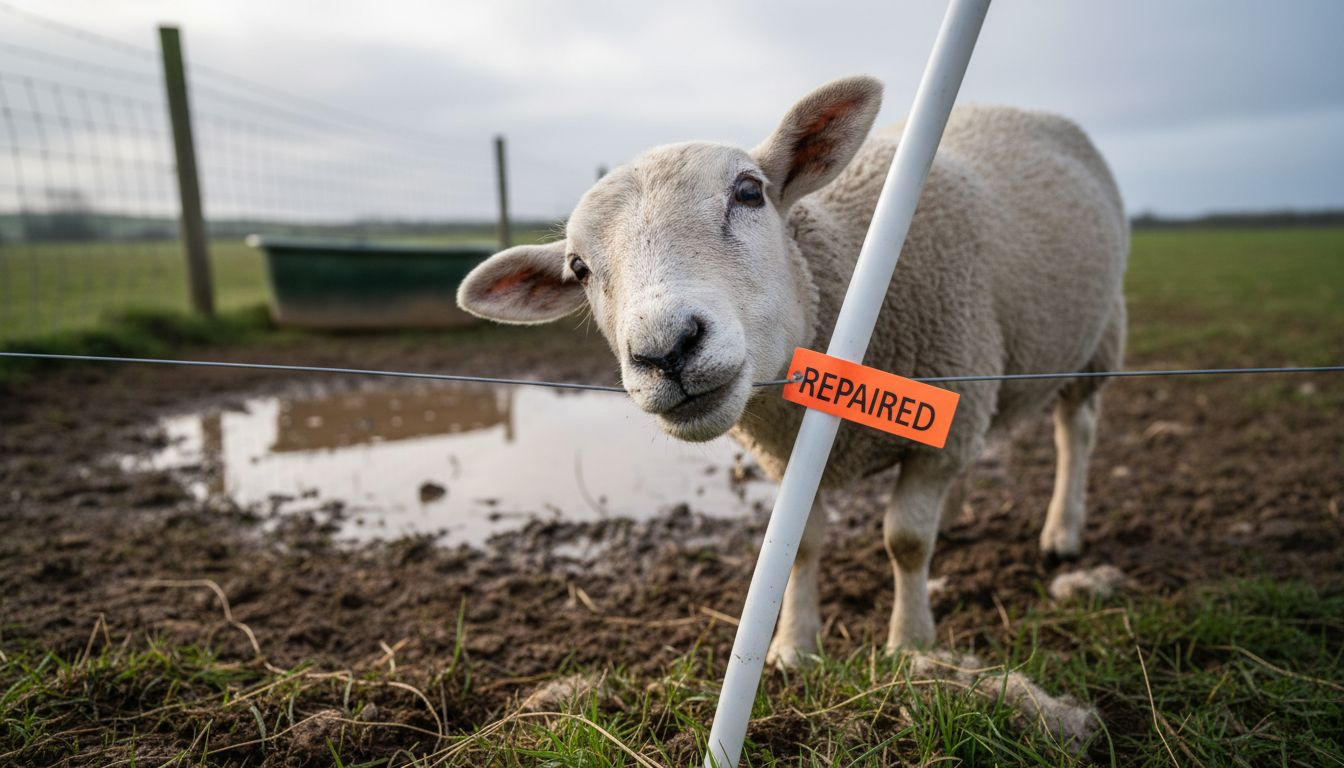
The electrical components of Gallagher portable fencing are engineered with precise voltage regulation and pulse technologies that deliver a controlled deterrent without causing serious harm. Livestock fence safety strategies emphasize the importance of appropriate electrical pulse characteristics that create a psychological barrier for animals. The energizers are calibrated to deliver a brief, sharp shock that startles without causing lasting pain, effectively teaching animals to respect boundary lines while preventing potential injury scenarios.
Structural safety features include flexible post designs that bend under significant pressure, reducing the risk of animal injury during accidental contact. The lightweight yet durable materials used in construction allow for minimal resistance and maximum animal protection. Visibility markers and contrasting colors help livestock recognize and understand fence boundaries, further reducing the potential for accidental collisions or entanglement. These design considerations demonstrate Gallagher’s commitment to creating fencing solutions that prioritize animal welfare alongside effective containment.
Additional safety innovations include grounding systems that prevent electrical system malfunctions, surge protectors that defend against electrical interference, and modular components that can be quickly adjusted to changing pasture conditions. The comprehensive approach to safety extends to providing farmers with electric fence testing and installation guidance that ensures optimal performance and animal protection.
Pro tip: Regularly inspect your portable fence system for damage, test electrical conductivity, and ensure proper grounding to maintain maximum safety for your livestock.
Setup, Operation, and Maintenance Steps
Successful implementation of Gallagher Portable Fence requires a systematic approach to setup, operation, and ongoing maintenance. Farmers must understand the precise steps involved in preparing, deploying, and preserving their portable fencing systems to ensure optimal performance and longevity. The process begins with careful initial configuration and extends through regular inspection and strategic upkeep.
The initial setup involves multiple critical stages, starting with comprehensive fence installation guidelines. Farmers should first carefully unpack the portable fence components, ensuring all necessary parts are present. Critical steps include attaching handles, removing protective tape, and loosening connection mechanisms. Wire height adjustment is crucial and depends on specific terrain characteristics and grass length. Proper initial configuration determines the fence’s effectiveness in containing livestock and preventing animal escape.
Operational considerations extend beyond initial setup. Farmers must systematically train livestock to respect electrical boundaries before full deployment. This involves creating controlled exposure scenarios where animals learn to recognize and avoid fence perimeters. The electrical pulse characteristics should be calibrated to provide a consistent, mild deterrent that teaches boundaries without causing undue stress. Periodic voltage testing and adjustment ensure the fence maintains an appropriate psychological barrier that prevents animal breaching while minimizing potential injury risks.
Maintenance represents a continuous process of inspection, repair, and component replacement. Farmers should routinely check for wire breakages, using techniques like small reef knots for temporary repairs and keeping spare parts readily available. Post alignment, wire tension, and electrical system integrity require regular assessment. Grounding systems, surge protectors, and connection points demand particular attention to prevent potential system failures that could compromise livestock safety.
Pro tip: Create a monthly maintenance checklist that includes electrical continuity testing, visual fence inspection, and immediate repair of any detected damage to ensure consistent performance.
Comparing Portable and Permanent Fencing
Choosing between portable and permanent fencing represents a critical decision for Canadian farmers, with each approach offering distinct advantages and limitations. Understanding the nuanced differences helps agricultural professionals select the most appropriate solution for their specific livestock management needs. The decision hinges on factors like land configuration, animal type, budget constraints, and long-term farm development strategies.
Portable fencing systems like those from Gallagher provide unparalleled flexibility, allowing farmers to rapidly reconfigure livestock boundaries. These systems excel in scenarios requiring frequent pasture rotation, temporary containment, or management of diverse livestock groups. Farmers can quickly adjust paddock sizes, create temporary holding areas, and respond to changing grazing conditions without significant infrastructure investments. The lightweight materials and quick-install mechanisms make portable fences ideal for smaller operations, experimental land use, and dynamic agricultural environments.
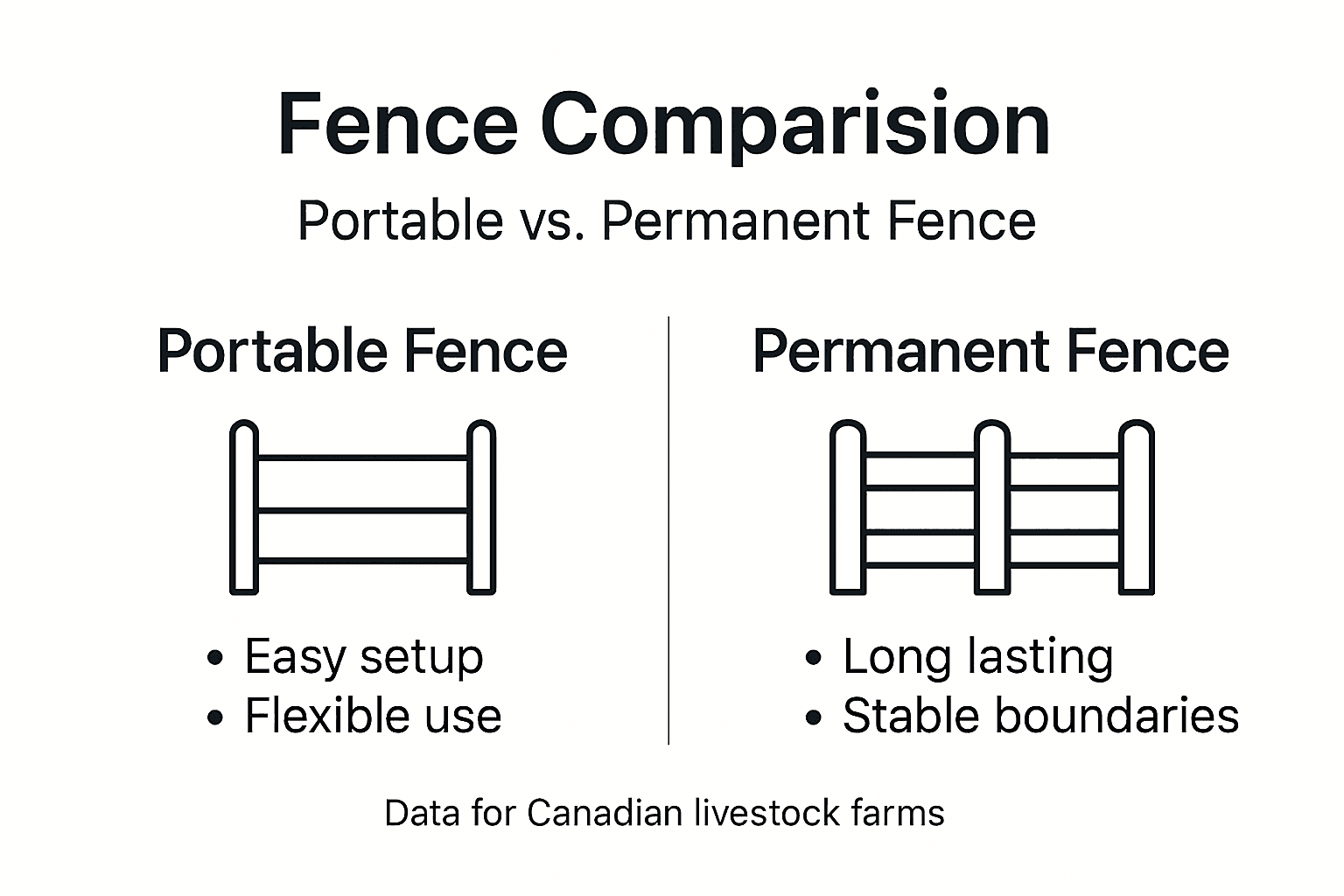
Permanent fencing, by contrast, offers stability and long-term land definition. These installations provide consistent boundary markers, require less frequent repositioning, and can withstand more extreme weather conditions. However, they demand substantial upfront investment, extensive labor during installation, and limited adaptability once established. Permanent fence structures work best for operations with consistent land use patterns, larger continuous pastures, and predictable livestock management strategies. They provide superior structural integrity and can incorporate more complex design features like multiple wire heights, reinforced posts, and integrated gates.
The optimal fencing strategy often involves a hybrid approach, combining portable and permanent fencing technologies. Farmers might use permanent fencing for primary property boundaries and critical infrastructure zones while deploying portable electric fence systems for internal pasture management, rotational grazing, and temporary livestock containment. This flexible strategy maximizes land use efficiency, reduces overall infrastructure costs, and provides farmers with dynamic management capabilities.
Pro tip: Evaluate your specific farm layout, livestock types, and management goals before investing in fencing, considering a mixed approach that leverages both portable and permanent fencing technologies.
Cost Considerations and Common Mistakes
Implementing a portable fencing system involves careful financial planning and strategic decision-making. Farmers must consider not only the initial purchase price but also long-term operational costs, maintenance expenses, and potential productivity gains. The investment in Gallagher Portable Fence systems represents a complex calculation that extends beyond simple equipment pricing.
Initial investment costs for portable fencing vary significantly based on farm size, livestock type, and specific system requirements. Farmers can expect to spend between $500 to $2,500 for comprehensive portable fencing solutions, with modular systems offering scalable pricing options. Common installation mistakes can dramatically increase overall expenses, highlighting the importance of proper initial setup and maintenance. These errors might include improper wire tensioning, inadequate post alignment, and neglecting regular system inspections.
Maintenance represents another critical cost factor in portable fencing systems. Farmers should budget approximately 10-15% of the initial equipment cost for annual maintenance and potential component replacement. This includes expenses for replacement wires, posts, electrical components, and potential repairs caused by environmental wear or animal interactions. The lightweight materials used in portable fencing require strategic maintenance to ensure long-term performance and cost-effectiveness.
Operational considerations extend beyond direct financial investments. Portable fencing systems offer indirect economic benefits through improved land management, enhanced grazing efficiency, and reduced labor costs associated with traditional fencing installation and maintenance. Farmers can quickly adapt pasture configurations, implement rotational grazing strategies, and minimize infrastructure investments by selecting flexible fencing technologies.
This summary highlights cost considerations and potential productivity impacts:
| Factor | Portable Fence | Permanent Fence |
|---|---|---|
| Upfront Cost | $500–$2,500 (scalable) | Higher, fixed |
| Maintenance Expense | 10–15% of initial cost/year | Lower, less frequent |
| Labor Requirement | Minimal, quick setup | High, labor-intensive |
| Adaptability | Easy reconfiguration | Limited once built |
| Productivity Gains | High—rotational grazing | Moderate, fixed pasture |
Pro tip: Calculate your total cost of ownership by combining initial purchase price, estimated annual maintenance expenses, and potential productivity gains before investing in a portable fencing system.
Discover Flexible Farm Fencing Solutions to Boost Your Livestock Management
Managing changing pasture boundaries and livestock movement can be challenging without the right tools. Gallagher Portable Fence offers unmatched mobility and safety for Canadian farmers who need to quickly adapt their fencing configurations. If you want to save time and enhance your rotational grazing or temporary containment strategies, choosing the right fencing components and accessories is crucial.
Explore a wide range of portable fencing supplies, including energizers, posts, connectors, and more, tailored for livestock like cattle, horses, sheep, and poultry at FenceFast.ca. Benefit from expert guidance, nationwide shipping, and products designed to withstand Canada’s toughest conditions. Start transforming your farm’s fencing today by visiting FenceFast.ca and find everything you need to build a safe, efficient, and flexible livestock fence system.
Frequently Asked Questions
What are the main benefits of using Gallagher Portable Fence?
Gallagher Portable Fence systems offer unparalleled flexibility and adaptability for livestock management, allowing farmers to quickly reconfigure pasture boundaries, create temporary paddocks, and respond to changing grazing conditions without the need for heavy equipment.
How does Gallagher Portable Fence ensure livestock safety?
These fencing systems include advanced electrical components that deliver controlled pulses to deter livestock without causing harm. Additionally, they feature flexible post designs and visibility markers to minimize the risk of injury during accidental contact.
What types of livestock can be contained with Gallagher Portable Fence systems?
Gallagher Portable Fencing is suitable for a variety of livestock, including sheep, goats, poultry, cattle, and horses, with specific systems designed for effective containment of different animal types.
How do I maintain my Gallagher Portable Fence?
Regular maintenance involves inspecting for wire breakages, ensuring proper post alignment, testing electrical conductivity, and checking grounding systems. It is recommended to create a checklist for monthly inspections and immediate repairs when damage is detected.

