

Most American farmers discover that a traditional grazing system leaves their land under growing pressure and their livestock with limited nutrition. Research shows rotational grazing can boost pasture productivity by up to 50 percent and improve soil health. This matters for anyone aiming to make their operation more sustainable while saving money and supporting healthier animals. Learn how understanding key fencing concepts and modern strategies can reshape the success of any American livestock operation.
Table of Contents
- Rotational Grazing Fence Fundamentals And Core Concepts
- Modern Fencing Types For Rotational Grazing Systems
- How Rotational Grazing Fencing Improves Livestock And Land
- Installation Best Practices And Required Equipment
- Cost, Maintenance, And Common Mistakes To Avoid
Key Takeaways
| Point | Details |
|---|---|
| Rotational Grazing Benefits | Enhances land productivity and livestock health by preventing overgrazing and promoting vegetation recovery. |
| Modern Fencing Technologies | Electric and virtual fencing improve flexibility in livestock management, allowing for dynamic pasture control. |
| Importance of Infrastructure | High-quality fencing and equipment are essential for effective rotational grazing and long-term pasture health. |
| Cost Management | Initial investment and maintenance planning are crucial to ensure the economic viability of rotational grazing systems. |
Rotational Grazing Fence Fundamentals and Core Concepts
Rotational grazing represents a strategic livestock management approach that transforms traditional pasture utilization. By systematically dividing grazing areas into multiple sections, farmers can optimize land productivity and animal nutrition. Rotational grazing involves carefully controlling livestock movement through designated paddocks, enabling precise pasture recovery and sustainable forage production.
The fundamental mechanics of rotational grazing center on methodical land partition and controlled animal movement. Farmers strategically divide pastureland into smaller sections or paddocks, then rotate livestock between these areas at calculated intervals. This approach prevents overgrazing, allows vegetation sufficient recovery time, and promotes more uniform grass consumption. By implementing electric fencing or movable fence systems, ranchers can create flexible, adaptable grazing zones that respond dynamically to changing pasture conditions.
Understanding pasture health is critical in rotational grazing strategies. Scientific research demonstrates that strategic livestock rotation significantly improves soil structure and water infiltration, leading to enhanced ecosystem resilience. The process naturally fertilizes soil through animal manure distribution, reduces erosion risks, and supports more diverse grassland vegetation. By preventing continuous grazing in single areas, farmers can maintain healthier root systems, increase organic matter content, and develop more robust pasture ecosystems.
Pro Tip: Strategic Pasture Management: Start with a small rotational grazing system covering 2-3 paddocks and gradually expand as you develop expertise in monitoring grass recovery rates and animal nutrition needs.
Modern Fencing Types for Rotational Grazing Systems
Modern fencing technologies have revolutionized rotational grazing management, offering farmers unprecedented flexibility and precision in livestock control. High-tensile electric fencing and advanced virtual fencing systems now enable dynamic pasture management, transforming traditional approaches to land utilization and animal husbandry.
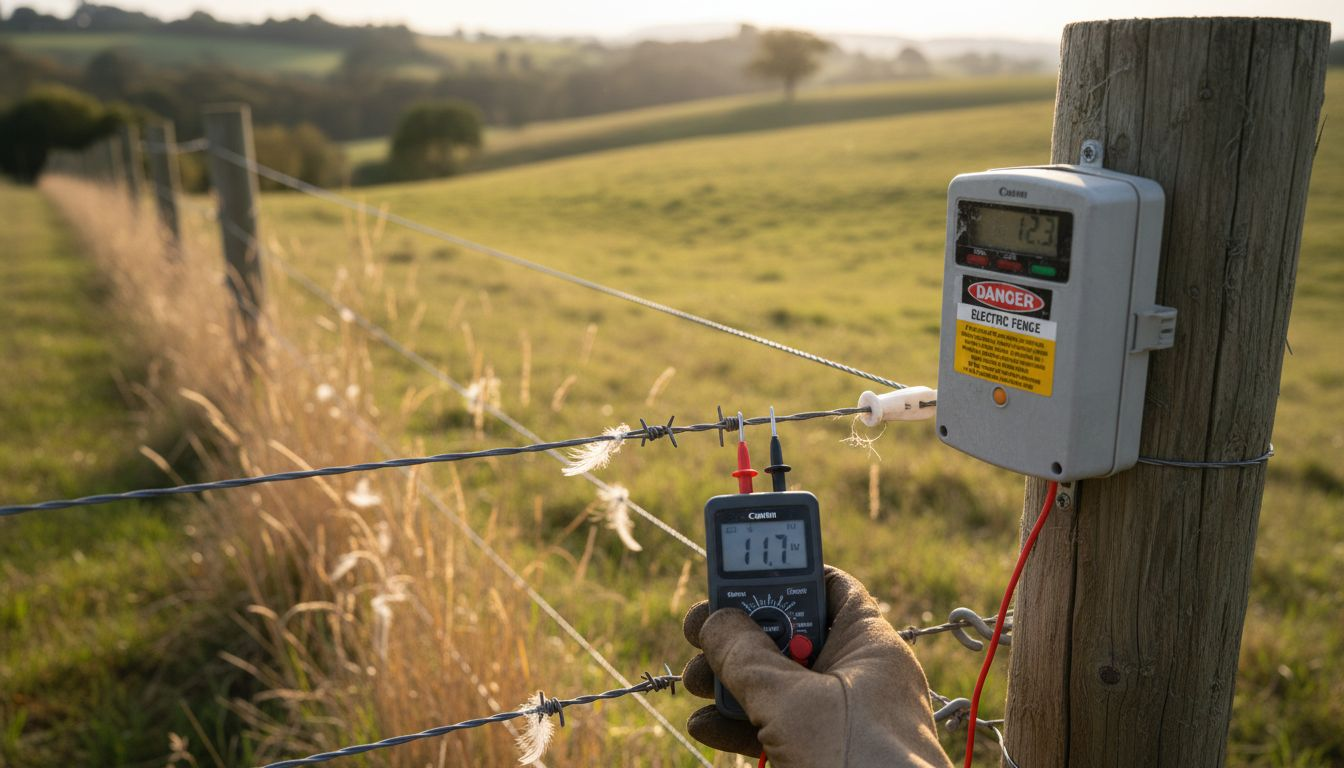
Electric fencing represents a cornerstone of contemporary rotational grazing strategies. These systems use electrified wire or tape that creates psychological and physical barriers for livestock, allowing ranchers to rapidly reconfigure grazing zones. High-tensile electric fences are particularly effective, offering durability, cost-efficiency, and minimal maintenance requirements. They can be quickly installed, relocated, and adapted to changing pasture conditions, making them ideal for farmers seeking responsive grazing management solutions.
Virtual fencing technologies are emerging as a groundbreaking innovation in livestock management, utilizing GPS-enabled animal collars to create invisible boundaries without physical infrastructure. These systems allow ranchers to define grazing areas electronically, guiding livestock movement through subtle audio or mild electrical signals. By eliminating the need for traditional physical fencing, virtual systems provide unprecedented flexibility, reduce infrastructure costs, and enable more sophisticated grazing pattern management.
Pro Tip: Fencing Strategy: Invest in a mixed fencing approach combining traditional electric fencing with emerging virtual technologies to maximize pasture management effectiveness and adapt to your specific landscape and livestock needs.
Here’s a comparison of modern fencing options for rotational grazing:
| Fencing Technology | Installation Time | Flexibility | Maintenance Needs |
|---|---|---|---|
| Electric Fencing | Fast to install | Easily reconfigured | Regular voltage checks |
| Virtual Fencing | Minimal infrastructure | Highly adaptable | Software/hardware checks |
| Permanent Fencing | Labor intensive | Low once built | Occasional repairs |
How Rotational Grazing Fencing Improves Livestock and Land
Rotational grazing fencing represents a transformative approach to agricultural land management that simultaneously benefits livestock health and ecosystem sustainability. By strategically dividing pastures and controlling animal movement, farmers create a dynamic environment that promotes both animal welfare and landscape restoration. The environmental benefits of this method extend far beyond traditional grazing practices, contributing to critical ecosystem services like carbon sequestration and biodiversity enhancement.
For livestock, rotational grazing fencing provides multiple critical advantages. By preventing continuous grazing in single areas, animals receive more nutritionally diverse forage, reducing dietary monotony and improving overall health. The controlled movement prevents overgrazing, which can lead to soil compaction and vegetation destruction. Fencing systems allow ranchers to direct animals to specific zones, ensuring even nutrient distribution, minimizing parasitic load, and creating opportunities for targeted grazing that mimics natural herd movement patterns.
From an ecological perspective, rotational grazing fencing acts as a regenerative agricultural tool. The systematic movement of livestock creates a symbiotic relationship between animals and landscape, where brief, intense grazing periods stimulate grassland recovery and root system development. This approach promotes soil aeration, increases organic matter content, and supports complex microorganism ecosystems. By preventing continuous trampling and allowing vegetation sufficient recovery time, farmers can transform marginal lands into productive, resilient agricultural ecosystems.
Pro Tip: Pasture Management Strategy: Monitor your pasture’s recovery rate and adjust your rotation schedule based on grass height, with a general guideline of moving livestock when grass reaches 6-8 inches and allowing regrowth to 3-4 inches before reintroducing animals.
Installation Best Practices and Required Equipment
Rotational grazing infrastructure demands careful planning and strategic equipment selection to ensure successful implementation. Effective pasture division requires comprehensive fencing solutions that accommodate livestock movement and pasture recovery needs, making equipment selection a critical component of successful land management.
The foundational equipment for rotational grazing includes high-tensile electric fencing, sturdy fence posts, reliable energizers, and durable wire or tape. Key components encompass corner and end posts for structural integrity, intermediate posts for line support, and versatile gate systems that allow easy livestock movement between paddocks. Electric fence energizers with adjustable voltage settings enable farmers to create psychological and physical barriers tailored to specific livestock behaviors, while lightweight, flexible wire options facilitate rapid paddock reconfiguration.
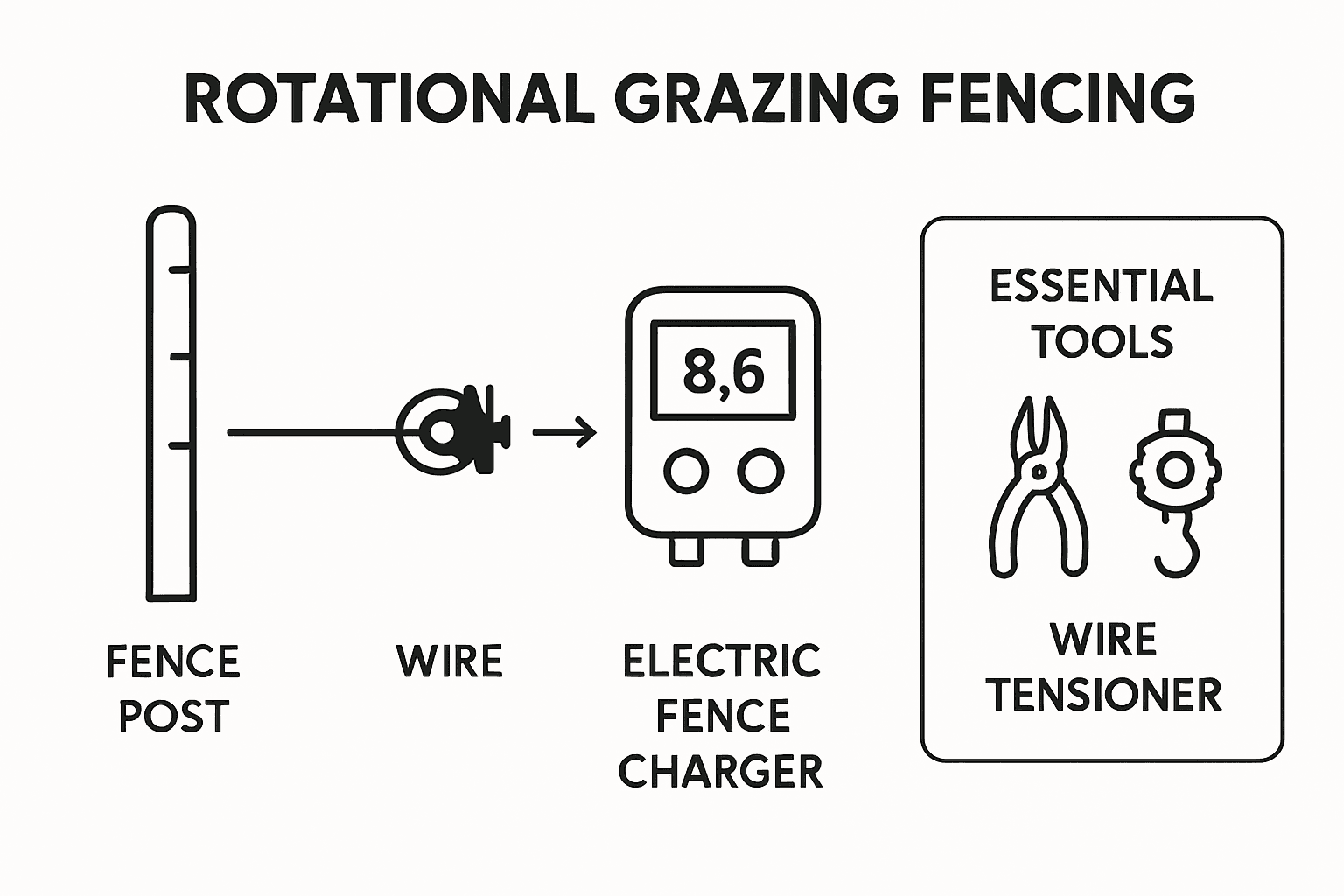
Strategic infrastructure planning involves understanding forage characteristics, livestock requirements, and terrain limitations, which means farmers must invest in adaptable fencing technologies. Water access points, temporary fence connectors, and portable solar-powered energizers can significantly enhance rotational grazing efficiency. Additional recommended equipment includes reliable ground rod systems, voltage testers, insulators, and specialized livestock handling tools that support smooth animal movement and minimize stress during paddock transitions.
Pro Tip: Equipment Investment: Prioritize high-quality, durable fencing materials and invest in a comprehensive testing kit to ensure consistent electrical performance and prevent unexpected livestock escape scenarios.
Cost, Maintenance, and Common Mistakes to Avoid
Implementing a rotational grazing system requires strategic financial planning and ongoing maintenance to ensure long-term success. Initial investment costs typically range from $500 to $3,000 depending on pasture size, with expenses including electric fencing materials, posts, energizers, and gate systems. High-quality equipment represents a significant upfront expense but delivers substantial long-term returns through improved pasture productivity and livestock health.
Farmers must be vigilant about identifying and avoiding common rotational grazing mistakes that can compromise system effectiveness, such as inadequate fencing, improper pasture division, and neglecting critical recovery periods. Critical maintenance tasks include regular fence line inspections, voltage testing, replacing worn components, managing vegetation around fence lines, and monitoring ground connections. Electrical systems require periodic checks to ensure consistent performance, with recommended monthly assessments of grounding systems, wire tension, and potential short circuit points.
The most expensive mistakes in rotational grazing often stem from poor planning and inconsistent management. Overgrazing, insufficient recovery time between grazing cycles, and inappropriate livestock density can rapidly degrade pasture quality and increase long-term restoration costs. Smart farmers develop comprehensive maintenance schedules that include routine equipment checks, pasture soil testing, vegetation monitoring, and strategic infrastructure upgrades. By investing in quality materials and implementing systematic maintenance protocols, ranchers can minimize unexpected repair costs and maximize the economic efficiency of their rotational grazing systems.
Pro Tip: Budget Management: Allocate approximately 10-15% of your initial fencing investment for annual maintenance and set aside an emergency repair fund to address unexpected infrastructure challenges quickly and efficiently.
Key cost and maintenance factors in rotational grazing systems:
| Cost Factor | Typical Range | Impact on Operation |
|---|---|---|
| Initial Investment | $500 - $3,000 | Sets system quality level |
| Annual Maintenance | 10-15% of initial | Prevents costly failures |
| Emergency Repairs Fund | Highly recommended | Reduces downtime risk |
Enhance Your Rotational Grazing System with Expert Fencing Solutions
Rotational grazing offers clear benefits like improved pasture health and enhanced livestock control but achieving these goals depends heavily on reliable fencing infrastructure and smart management tools. The challenges of setting up durable electric fencing, managing flexible paddocks, and ensuring animal safety all require trusted products and expert support. At FenceFast.ca, we understand these needs and provide a broad selection of high-quality electric fencing systems, durable posts, energizers, and connectors engineered specifically for Canadian farmers and ranchers.

Unlock the full potential of your rotational grazing efforts by choosing from our wide range of fencing components and livestock management supplies. Whether you need advice on setting up your first paddock or want to upgrade to solar-powered energizers for efficient pasture rotation, our team is ready to help. Visit FenceFast.ca today to explore our product catalog and take advantage of nationwide shipping and expert design consulting. Make your pasture management smarter and your herd healthier starting now.
Frequently Asked Questions
What is rotational grazing fencing?
Rotational grazing fencing is a livestock management method that involves dividing pastureland into smaller sections, or paddocks, and systematically rotating animals between these areas. This practice helps optimize pasture recovery, animal nutrition, and overall land productivity.
How does rotational grazing improve pasture health?
Rotational grazing prevents overgrazing by allowing vegetation sufficient recovery time, promotes healthier root systems, and enhances soil structure. This leads to increased organic matter content and supports a more diverse ecosystem on the pasture.
What types of fencing are best for rotational grazing?
Modern fencing options such as high-tensile electric fencing and virtual fencing technologies are ideal for rotational grazing. Electric fencing is durable and cost-effective, while virtual fencing allows for dynamic management without physical barriers.
What are common mistakes to avoid in rotational grazing?
Common mistakes include inadequate fencing, improper pasture division, and neglecting recovery periods. It’s crucial to monitor grazing patterns and ensure livestock density is appropriate to maintain pasture health.

