

Managing horses safely on wide pastures across Canada brings unique challenges for every owner. The need for a secure boundary that both protects horses and supports efficient grazing can make traditional fencing options seem limiting or costly. By choosing electric fencing, ranchers and equestrians gain a flexible, cost-effective solution that uses mild electric pulses to create a safe, psychological barrier for horses while reducing injury risk and lowering material costs.
Table of Contents
- What Defines An Electric Fence For Horses
- Types Of Electric Fencing Systems For Pastures
- Key Components And How They Function
- Safety Standards And Legal Compliance In Canada
- Common Mistakes And Practical Maintenance Tips
Key Takeaways
| Point | Details |
|---|---|
| Electric Fencing Benefits | Electric fencing creates a safe, psychological barrier for horses while minimizing the risk of injury compared to traditional solid fencing. |
| Key Components | Essential components include an energizer, conductive wires, insulators, and grounding systems, each playing a vital role in fence effectiveness. |
| Common Mistakes | Frequent maintenance errors can undermine fence efficiency; regular voltage testing and vegetation management are crucial for safety. |
| Legal Compliance | Horse owners must adhere to Canadian safety regulations, including equipment standards and proper signage, to ensure legal operations. |
What Defines an Electric Fence for Horses
An electric fence for horses is a specialized containment system designed to provide safe, flexible perimeter control using mild electrical pulses. Unlike traditional solid fencing, these systems create a psychological barrier that teaches horses to maintain a safe distance through brief, harmless electric shocks. Safe pasture containment methods rely on sophisticated electrical components that deliver controlled, low-intensity electrical pulses.
These fencing systems typically consist of several key components that work together to create an effective barrier:
- Energizer/power source that generates electrical pulses
- Insulated conductive wires or tapes
- Specialized horse-friendly insulators and posts
- Grounding rods to complete the electrical circuit
- Warning signs and safety mechanisms
The primary function of an electric fence is not to physically restrain horses but to create a learning experience that discourages them from approaching or challenging the boundary. When a horse touches the wire, they receive a quick, mild shock that teaches them to respect the fence’s perimeter. This approach is significantly more humane and safer than rigid physical barriers that could cause injury during collision.
Electric fencing provides a safe, cost-effective solution that minimizes potential horse injuries while offering flexible pasture management.
Unlike traditional fencing, electric systems allow for rapid setup, easy reconfiguration, and minimal material costs. They are particularly effective for cross-fencing and rotational grazing strategies, enabling horse owners to manage pasture resources more efficiently.
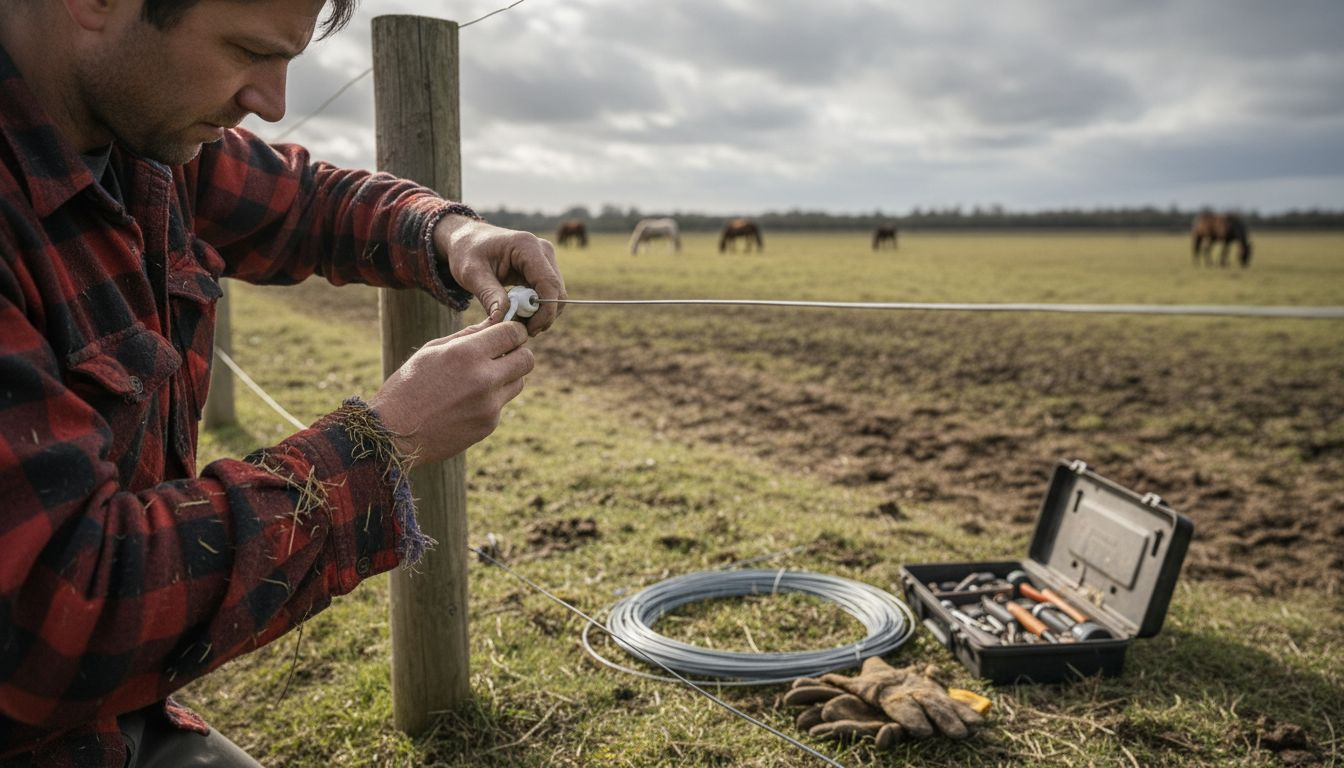
Pro tip: Always test your electric fence’s voltage and ensure proper grounding before introducing horses to the new enclosure.
Types of Electric Fencing Systems for Pastures
Horse owners have multiple electric fencing configurations to choose from, each designed to meet specific pasture management needs. The primary types of electric fencing systems range from permanent installations to flexible temporary solutions, allowing horse owners to customize their containment strategies based on terrain, herd behavior, and management practices.
The most common electric fencing systems for horse pastures include:
-
Poly Tape Fencing
- Highly visible to horses
- Lightweight and easy to install
- Comes in various colors and widths
- Excellent for temporary and permanent setups
-
Braided Wire Fencing
- More durable than poly tape
- Higher electrical conductivity
- Suitable for longer fence runs
- Withstands more significant environmental stress
-
High-Tensile Coated Wire
- Maximum strength and longevity
- Reduced injury risk for horses
- Ideal for permanent boundary installations
- Requires professional installation
Each electric fencing system offers unique advantages depending on specific pasture requirements. Permanent installations typically use high-tensile coated wire or braided wire, while temporary or rotational grazing setups often rely on poly tape for its flexibility and visibility.
Here’s a concise comparison of common electric fencing systems for horse pastures:
| Fence System | Visibility to Horses | Installation Complexity | Best Use Scenario |
|---|---|---|---|
| Poly Tape | Very High | Simple and quick | Temporary pastures and divisions |
| Braided Wire | Moderate | Moderate effort | Larger, permanent pastures |
| High-Tensile Coated Wire | Lower but very safe | Requires expertise | Permanent perimeter fencing |
Electric fencing provides horse owners with adaptable containment solutions that balance safety, visibility, and management efficiency.
The electrical components are equally critical in these systems. Energizers must be carefully selected based on fence length, with recommended voltages between 2000-3000 volts to ensure effective animal control without causing harm.
Pro tip: Consult with a local fencing professional to determine the most suitable electric fence configuration for your specific horse pasture and regional conditions.
Key Components and How They Function
Electric fencing for horses relies on a sophisticated system of interconnected electrical components that work together to create an effective containment barrier. Understanding how each element functions is crucial for maintaining a safe and reliable horse pasture boundary.
The primary components of an electric fence system include:
-
Energizer/Charger
- Generates electrical pulses
- Converts power source into controlled electrical current
- Determines fence’s shock intensity and range
- Available in battery, solar, and plug-in models
-
Conductive Wires/Tapes
- Carry electrical current throughout the fence
- Made from materials like aluminum, copper, or steel
- Vary in thickness and conductivity
- Choose based on pasture size and horse behavior
-
Insulators
- Prevent electrical current from grounding
- Attach wires to fence posts
- Made from plastic or ceramic materials
- Critical for maintaining electrical circuit integrity
-
Grounding System
- Completes the electrical circuit
- Typically consists of galvanized steel rods
- Ensures consistent electrical flow
- Prevents system malfunctions
The electrical circuit operates on a simple yet effective principle. When a horse touches the energized wire, it completes the circuit between the wire and the ground, resulting in a quick, mild shock that teaches the animal to avoid the fence.
A well-designed electric fence system creates a psychological barrier more effective than physical restraint.
Proper installation and maintenance are key to the system’s effectiveness. This includes regular voltage checks, keeping vegetation clear of the fence, and ensuring all components remain in good condition.
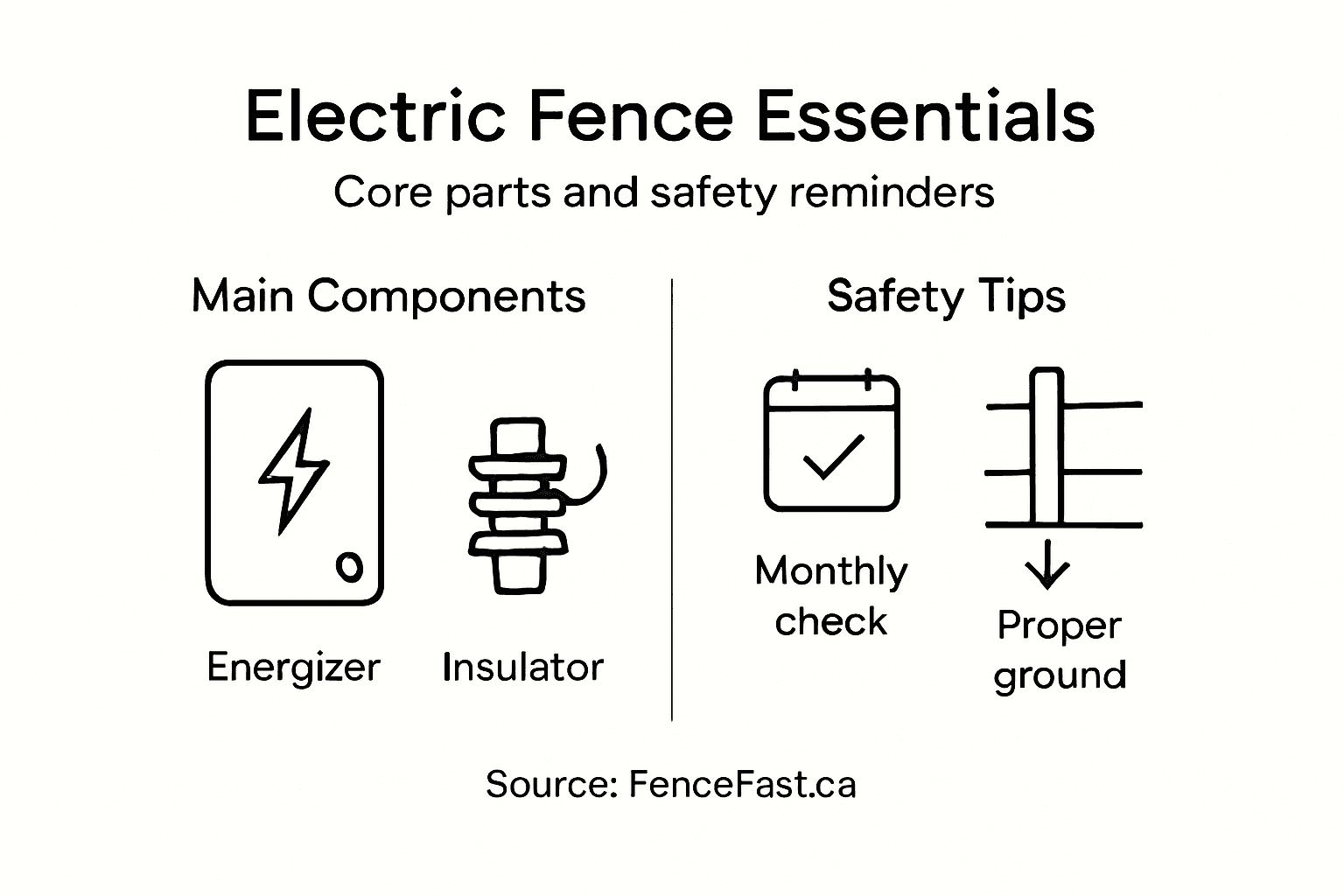
Pro tip: Invest in a reliable voltage tester and check your fence’s electrical integrity at least monthly to ensure consistent performance and horse safety.
Safety Standards and Legal Compliance in Canada
Canadian horse owners must navigate a complex landscape of electric fence safety regulations to ensure legal and safe pasture management. National and provincial guidelines establish critical standards for electric fencing design, installation, and maintenance that protect both animals and human safety.
Key legal and safety compliance requirements include:
-
Equipment Standards
- Canadian Standards Association (CSA) approval mandatory
- Controllers must meet electrical safety specifications
- Devices operating at 120V or less require specific certifications
- Regular equipment inspections recommended
-
Installation Requirements
- Follow manufacturer’s recommended installation procedures
- Proper grounding of electrical systems
- Clear warning signage is legally required
- Avoid using barbed wire in combination with electric fencing
-
Liability Considerations
- Verify insurance coverage for electric fence systems
- Document compliance with local and provincial regulations
- Maintain accurate records of fence maintenance
- Understand potential legal responsibilities
Electric fencing compliance is not just a legal obligation, but a critical safety measure for horse owners across Canada.
Provincial regulations can vary, so horse owners must consult local agricultural authorities and review specific bylaws governing electric fence installations. Some municipalities may have additional restrictions or specific requirements beyond national standards.
This table summarizes key Canadian safety and legal requirements for horse electric fencing:
| Requirement Type | Essential Standard | Example Guidance |
|---|---|---|
| Equipment Approval | Must meet CSA certification | Use only CSA-listed energizers |
| Warning Signage | Legally mandated at boundary | Place visible signs along the fence line |
| Grounding Practices | Proper grounding technique required | At least three galvanized rods, spaced apart |
| Insurance Coverage | Verify with provider | Document installation and maintenance dates |
Pro tip: Consult with a local agricultural extension office to understand the specific electric fencing regulations in your Canadian province or territory.
Common Mistakes and Practical Maintenance Tips
Horse owners frequently encounter challenges when managing electric fence maintenance challenges that can compromise the system’s effectiveness and safety. Understanding these common pitfalls is crucial for maintaining a reliable pasture containment solution.
Most frequent electric fence maintenance mistakes include:
-
Electrical System Errors
- Improper energizer selection
- Inadequate grounding of electrical components
- Failing to test voltage regularly
- Using incompatible or damaged wire types
-
Vegetation Management
- Neglecting grass and weed growth near fence lines
- Allowing vegetation to create electrical shorts
- Failing to trim plants that contact fence wires
- Overlooking seasonal growth patterns
-
Horse Training and Awareness
- Not properly introducing horses to electric fence
- Insufficient initial training about boundary respect
- Failing to monitor horse behavior near fence
- Inconsistent fence maintenance leading to reduced effectiveness
Regular maintenance is the key to preventing electrical failures and ensuring horse safety.
Professional horse handlers recommend creating a systematic maintenance schedule that includes monthly voltage checks, comprehensive visual inspections, and proactive repair of any damaged components. This approach prevents minor issues from escalating into significant safety risks.
Pro tip: Invest in a reliable digital voltage tester and conduct thorough fence inspections at least once per month, paying special attention to insulators, ground rods, and wire tension.
Secure Your Horse Pasture with Expert Electric Fencing Solutions
Managing a safe and effective electric fence for horses requires the right components and careful attention to detail. From selecting the proper energizer to ensuring optimal grounding and using horse-friendly conductive wires, every element plays a vital role in protecting your animals and maintaining control. Avoid common pitfalls like electrical shorts or insufficient training by trusting proven products designed for Canadian conditions.

Explore a wide range of durable electric fencing supplies and accessories at FenceFast.ca. Whether you need energizers, insulated tapes, or grounding rods, you will find everything to build or upgrade your pasture containment system. Act now to safeguard your horses with quality products and expert advice tailored specifically for agricultural fencing and livestock management. Visit FenceFast.ca today and take the first step in creating a reliable electric fence that meets safety standards and supports effective horse pasture control.
Frequently Asked Questions
What is an electric fence for horses?
An electric fence for horses is a containment system that provides a safe and flexible perimeter using mild electrical pulses. It teaches horses to maintain a safe distance from the fence through brief, harmless shocks rather than physical barriers.
How do electric fencing systems work?
Electric fencing systems work by generating electrical pulses that travel through conductive wires or tapes. When a horse touches the energized wire, it completes the circuit and receives a mild shock, discouraging them from approaching the boundary.
What are the different types of electric fencing for horse pastures?
The main types of electric fencing for horses include poly tape fencing, braided wire fencing, and high-tensile coated wire. Each type has specific advantages in terms of visibility, durability, and suitability for temporary or permanent setups.
What are common mistakes to avoid with electric fences for horses?
Common mistakes include improper energizer selection, inadequate grounding, neglecting vegetation management, and insufficient initial training for horses to respect the fence. Regular maintenance checks and visual inspections are essential to prevent these issues.

