

For most short-term containment jobs, a temp horse fencing setup built from electric tape or netting, sized to the paddock and properly grounded, is the fastest and safest option. Panic-prone or untrained horses need portable corral panels instead. Whatever you choose, the system only works if you get three things right: an energizer sized to your fence length, a grounding system that actually works, and a horse that has been taught to respect the line. Temporary fencing manages horses inside a property. It should never stand in for your permanent perimeter.
TL;DR:
- Using a properly sized energizer, effective grounding, and proper animal training is critical to the safety and effectiveness of temporary fencing.
- Electric tape with 1.5 to 2 inch width and high-visibility colors like white or two-tone improves horse respect and safety.
- Ground rods should be about 3 feet per joule of energizer output and spaced at least 10 feet apart to ensure adequate grounding.
- Training horses to respect electrical fencing, including introduction in a secure area and routine voltage testing, is key to preventing escaping or injury.
- Budget options range from $150 to $350 for basic kits, with higher tiers offering stronger components and longer-term reliability.
Table of Contents
- What Are the Best Types of Temp Horse Fencing?
- How Do You Set Up a Temporary Electric Fence?
- How Do You Train a Horse to Respect Electric Fencing?
- What Does Temporary Horse Fencing Cost?
- What Are the Best Uses for Temporary Horse Fencing?
- Why Trust Fencefast for Temporary Fencing Guidance?
- How Long Does It Take to Set Up and Take Down Temp Horse Fencing?
- Does Temp Horse Fencing Work With an Existing Permanent Fence?
- What Legal Rules Apply to Temporary Horse Fencing?
- What Actually Matters Most for Safe Temp Fencing
- Get the Right Temp Fencing Kit From Fencefast
- Sources
What Are the Best Types of Temp Horse Fencing?
Choosing the right temp horse fencing setup comes down to four real options, and each one trades visibility, cost, or portability for something else.
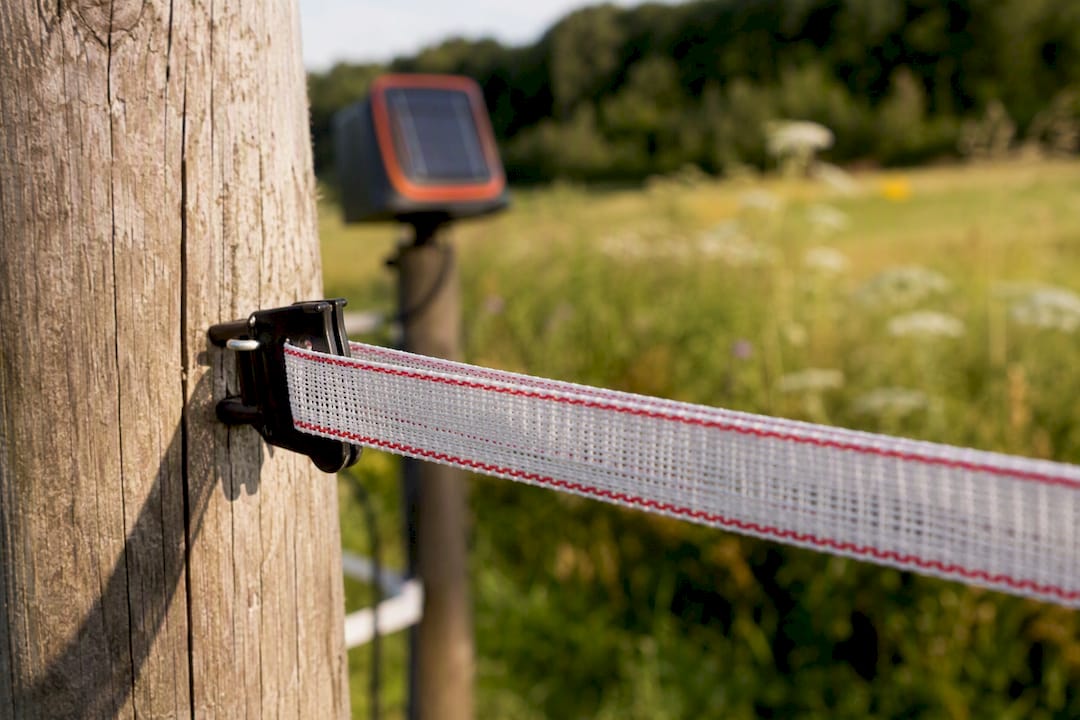
Electric tape is the workhorse of temporary fencing. It’s highly visible, which matters more than people expect, and horses that have been properly introduced to it tend to respect it well. Width matters: 1.5 to 2 inch tape is standard for horses because it’s easier to see than thin polywire. Color matters too. Solid red, yellow, or green tape blends into a lot of backgrounds, and white or two-tone tapes give horses a sharper visual cue.
Polyrope and braided wire run cheaper than tape and conduct electricity well over long runs, but they’re harder to spot at a distance and in low light. They work best for interior cross-fencing where a horse already knows the area, not as a first line for a horse new to electric fence.
Electric netting sets up fast and works well for smaller pens, especially in mixed-livestock situations where you’re containing horses alongside goats or sheep. It’s less common for full-size horse paddocks because a spooked horse can get a leg into the mesh.
Portable corral panels are the heavyweight option, literally and figuratively. Panels offer far more physical strength and suit travel setups or panic-prone horses better than any tape system, but they’re bulkier to haul and cost more per linear foot.
- Electric tape: best all-around choice for trained horses, high visibility
- Polyrope/braided wire: budget option for interior fencing, lower visibility
- Electric netting: fast setup, good for small pens and mixed species
- Portable panels: strongest option, best for travel and high-risk horses
How Do You Set Up a Temporary Electric Fence?
Setting up temporary paddock fencing right the first time saves you from re-doing it after a horse walks straight through a weak spot.
- Plan the layout first. Tie your temporary line into existing permanent fence where possible, place gates where you’ll actually walk in and out, and don’t forget water access inside the enclosure.
- Choose posts for the ground you’ve got. Step-in posts work fine in soft soil; rocky or hard-packed ground calls for metal posts you can drive with a mallet. Set tape height around 3 feet for the top strand, with a second strand lower if young or small horses are involved.
- Size the energizer correctly. Low-impedance energizers are the standard recommendation because they hold their charge across longer tape runs and won’t melt the tape the way older high-impedance chargers can. As a rule of thumb, more strands and more total length both pull down your available joules, so buy above your current need, not right at it.
- Ground the system properly. Alabama Extension recommends roughly 3 feet of ground rod per joule of energizer output, with rods spaced at least 10 feet apart and connected with insulated wire equal to or heavier than your fence lead.
- Test before you trust it. In dry or rocky soil, add extra short rods or drive them at an angle, then check the line with a digital fence tester, not your hand. Make this a daily habit before turnout, not a one-time step.
Pro Tip: Test your fence in the morning when soil moisture is highest and again in the afternoon after a dry, hot stretch. A fence that reads fine at 7 a.m. can drop well below a safe voltage by 3 p.m. if your grounding is marginal.
For a full walkthrough with photos and product specifics, Fencefast’s temporary horse fencing setup guide covers the same steps in more depth.
How Do You Train a Horse to Respect Electric Fencing?
An electric fence doesn’t physically stop a determined horse. It works as a psychological barrier, and it only holds up if the horse has learned to respect it and the voltage stays consistent. Skipping the training step is the single most common reason a temp fence “fails.”
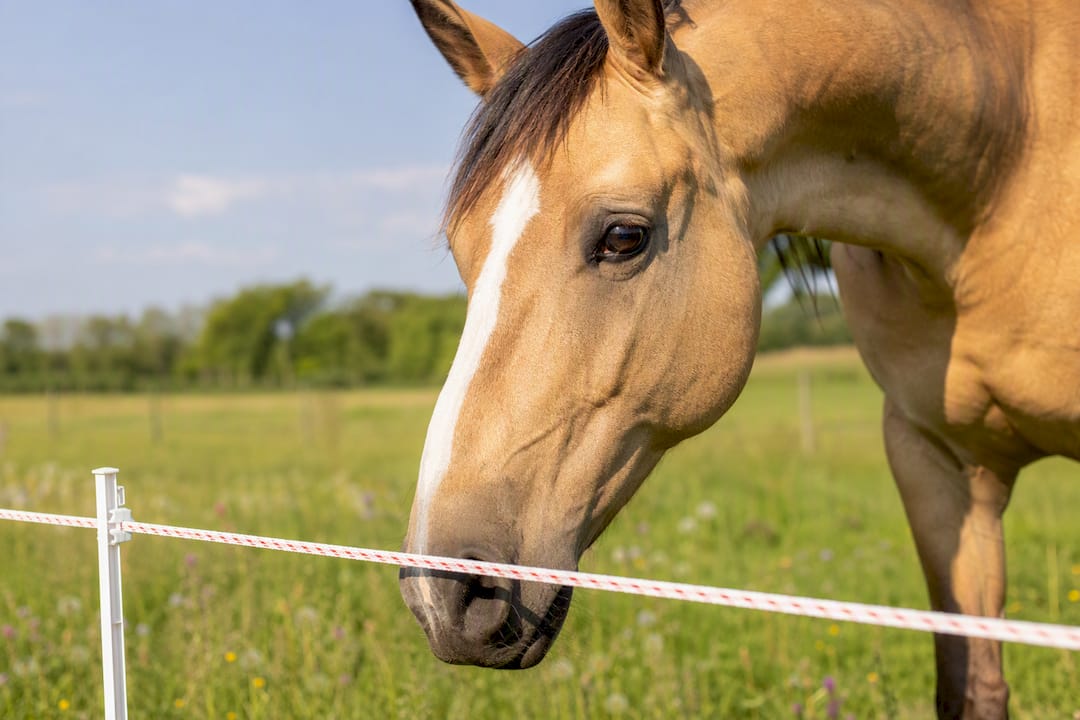
Introduce a new horse inside a small, secure corral first, ideally one already backed by solid fencing, so a startled reaction doesn’t send the horse through open ground. Let the horse investigate the tape at a walk with short exposures, rather than turning it loose in a big field on day one.
Design matters as much as training. Breakaway clips and lighter components at corners let the system separate under panic force instead of wrapping around a leg, which is exactly why smooth wire without a weak-break design has no place in a horse setup.
Build a short daily check into your routine:
- Walk the line for sagging tape or a strand pulled down by wildlife or wind.
- Check for vegetation touching the tape, a leading cause of grounding shorts.
- Confirm the battery or solar charge on your energizer.
- Test voltage with a meter rather than assuming it’s fine.
Temp fencing isn’t the right call for a roadside perimeter, a horse with no fence experience, or an animal known to panic and run through obstacles. Those situations call for a permanent fence or portable panels, not tape.
What Does Temporary Horse Fencing Cost?
Budget for temp horse fencing setups splits pretty cleanly into three tiers, and knowing which tier you’re buying into keeps you from either overspending or under-protecting your horse.
- Starter kit ($150 to $350): basic polytape, a manual reel, a handful of step-in posts, and a small energizer. This range covers most single-paddock, short-duration needs.
- Mid-range upgrade: a stronger low-impedance energizer, a geared reel for faster setup and takedown, and higher-visibility tape. Portable panel sets sit above this tier and cost more per foot than any tape system, reflecting their added strength.
- Ongoing costs: batteries or solar top-ups, replacement tape or netting as it UV-degrades, spare insulators and clips, and periodic charger checks.
Fencefast’s temporary fencing options guide breaks down specific products at each budget level if you want exact part numbers.
What Are the Best Uses for Temporary Horse Fencing?
Match the fencing type to the job, and most of the guesswork disappears.
- Rotational grazing: tape plus a reel, a solid energizer, and access to water at each new paddock section. Moving horses through smaller sections more often improves forage recovery and cuts down on selective overgrazing, provided stocking rates stay reasonable.
- Rehab paddocks: smaller enclosures, sometimes double-stranded tape or panels for extra security, with daily supervision since an injured or medicated horse behaves less predictably.
- Trail camps and shows: lightweight tape kits or panels that fold flat and stow on a trailer, built for quick assembly at a new site every weekend.
Why Trust Fencefast for Temporary Fencing Guidance?
Fencefast has spent 26 years as an authorized Gallagher dealer, working daily with the same energizers, tape, and grounding hardware covered in this guide. That’s not incidental. Fencing advice that isn’t backed by someone who actually stocks and troubleshoots the equipment tends to skip the details that cause real failures, like impedance mismatches or under-driven ground rods.
If you want the deeper mechanics behind everything above, Fencefast’s complete guide to temporary electric fence for horses covers equipment selection and training in more detail. For energizer trouble specifically, the energizer troubleshooting guide walks through the most common charge and grounding complaints step by step.
How Long Does It Take to Set Up and Take Down Temp Horse Fencing?
A single-paddock tape setup, roughly 1 to 2 acres with one or two strands, usually takes an experienced person 30 to 60 minutes from unloading gear to flipping the energizer on. First-timers should plan closer to two hours, mostly because ground rod placement and voltage testing take longer when you’re doing them for the first time.
Larger rotational grazing layouts, especially ones with multiple paddock sections and cross-fencing, stretch that timeline. Plan a half-day for the first full layout, even though moving an existing section afterward often takes 15 minutes with a reel and a few step-in posts.
Teardown runs faster than setup in almost every case. Reeling in tape and pulling step-in posts on a 1-acre paddock takes about 15 to 20 minutes if nothing is tangled in vegetation. Portable panels take longer to break down and load, especially with two-person handling on longer panel runs, but they also survive rough handling better than tape does over repeated moves.
Seasonal use adds a wrinkle worth planning around. If a paddock section sits unused for weeks, check tape tension and grounding again before turnout rather than assuming everything held. Freeze/thaw cycles loosen ground rods, and wind exposure over time stretches tape more than most owners expect.
Does Temp Horse Fencing Work With an Existing Permanent Fence?
Temp horse fencing works best as an addition to your permanent perimeter, not a replacement for it. Extension guidance frames temporary fencing as an internal management tool for tasks like rotational grazing and rehab paddocks, built to work inside a property that’s already secured by permanent fencing.
Tying a temporary line into an existing fence corner is usually the simplest anchor point. It gives you a stable, already-grounded structure to run tape from, rather than relying entirely on step-in posts for tension. Just make sure the connection point doesn’t create a dead zone where voltage drops, which happens if you’re splicing into old, corroded wire on the permanent fence.
Mixing systems also means matching your grounding. If your permanent fence already has a ground system installed, you can sometimes tie your temporary energizer’s ground into it, provided the rod depth and spacing already meet the output of your added energizer. Running two separate, undersized grounding systems side by side is a common mistake that leads to inconsistent shock delivery.
One practical note on gates: keep temporary gate points away from high-traffic corners of the permanent fence where horses naturally congregate. A gate under pressure from horse traffic strains tape connectors faster than a gate placed along a quieter stretch of line.
What Legal Rules Apply to Temporary Horse Fencing?
Property boundary rules for temporary fencing vary widely by municipality, county, and even homeowner association, so check local ordinances before you assume a temp fence is exempt from the same rules as permanent fencing. Some jurisdictions regulate any electric fence, temporary or not, with specific signage or voltage requirements, particularly near roads or shared property lines.
Boundary placement is the other issue that trips up horse owners. A temporary fence that crosses onto a neighbor’s property, even by a foot, can create a dispute regardless of how “temporary” the setup feels to you. If you’re fencing near a property line, confirm your actual boundary with a survey or existing markers rather than eyeballing it from an old fence line.
Roadside placement deserves its own caution. Electric tape along a public road raises liability questions if a fence fails and a horse gets loose near traffic, which is part of why extension guidance treats temporary fencing as an internal tool rather than a perimeter solution. If your property borders a road, a permanent, physically robust perimeter fence belongs there, with temporary fencing reserved for paddocks set back from that boundary.
When in doubt, a quick call to your local planning or agricultural extension office clears up most questions faster than guessing.
What Actually Matters Most for Safe Temp Fencing
Most articles on this topic treat temp horse fencing like a shopping decision: which tape, which reel, which color. That misses where the real failures happen. The system rarely fails because someone bought the wrong tape. It fails because the energizer was undersized for the run, the ground rods went in without checking soil conditions, or the horse never got a proper introduction to the fence before being turned loose.
The training step gets skipped more than any other, probably because it feels like the least technical part of the job. It isn’t optional. A horse that respects a hot wire barely tests it. A horse that’s never felt it will test it exactly once, hard, often at the worst possible moment.
If you take one thing from this guide, prioritize grounding and training over gear upgrades. A $400 energizer wired to two undersized ground rods in dry soil will underperform a $150 unit grounded correctly. Buy the right equipment, but spend your effort where the failures actually happen.
— Juiced
Get the Right Temp Fencing Kit From Fencefast
Fencefast sells the same energizers, tape, reels, and grounding hardware covered throughout this guide, backed by 26 years as an authorized Gallagher dealer. That means you’re not piecing together parts from three different sources and hoping their compatible. You get a system built to work together from the start.

Browse the fence equipment collection for energizers, reels, and ground rods sized to your paddock, or check the fence tools and fasteners selection for insulators and connectors that match your tape or netting. If your layout is more complicated than a single paddock, Fencefast also offers design consulting to help size your energizer and grounding correctly before you buy anything.
Start by browsing the fence equipment collection to put together a kit matched to your paddock size and soil conditions.
Sources
- The Ins and Outs of Temporary Horse Fencing – The Horse
- Temporary electric fencing basics - Alabama Extension (ACES)
- How to use and build temporary fencing - Colorado Horse Source
- Temporary Paddock Fencing Options – Dressage Today

