

Many horse owners assume any electric fence will work, yet they’re often surprised when horses push through or ignore the barrier entirely. The problem usually isn’t the fence design itself but rather inadequate voltage delivery that fails to create the memorable deterrent horses need to respect boundaries. Understanding the science behind effective electric fencing voltage transforms frustrating containment failures into reliable, humane enclosures that keep your horses safe while giving you peace of mind.
Table of Contents
- Understanding Voltage Requirements For Horse Electric Fencing
- Factors Influencing Voltage Needs And Fence Performance
- Choosing And Installing The Right Electric Wire Fencing System For Horses
- Maintaining Your Electric Wire Fence For Optimal Horse Safety And Control
- Find The Right Electric Fencing Solutions For Your Horses
- Frequently Asked Questions
Key takeaways
| Point | Details |
|---|---|
| Ideal voltage range | Maintain 2,000 to 3,000 volts consistently across all fence lines for reliable horse containment |
| Environmental adjustments | Start with 4,000 to 5,000 volts for long runs or heavy vegetation to compensate for energy loss |
| Consistent delivery matters | Steady voltage throughout the fence line outperforms high spikes near the energizer with distant drops |
| Oversize your energizer | Choose slightly larger capacity than minimum requirements to maintain performance through seasonal changes |
| Respect-based containment | Effective electric fencing teaches horses boundaries through brief, memorable contact rather than causing harm |
Understanding voltage requirements for horse electric fencing
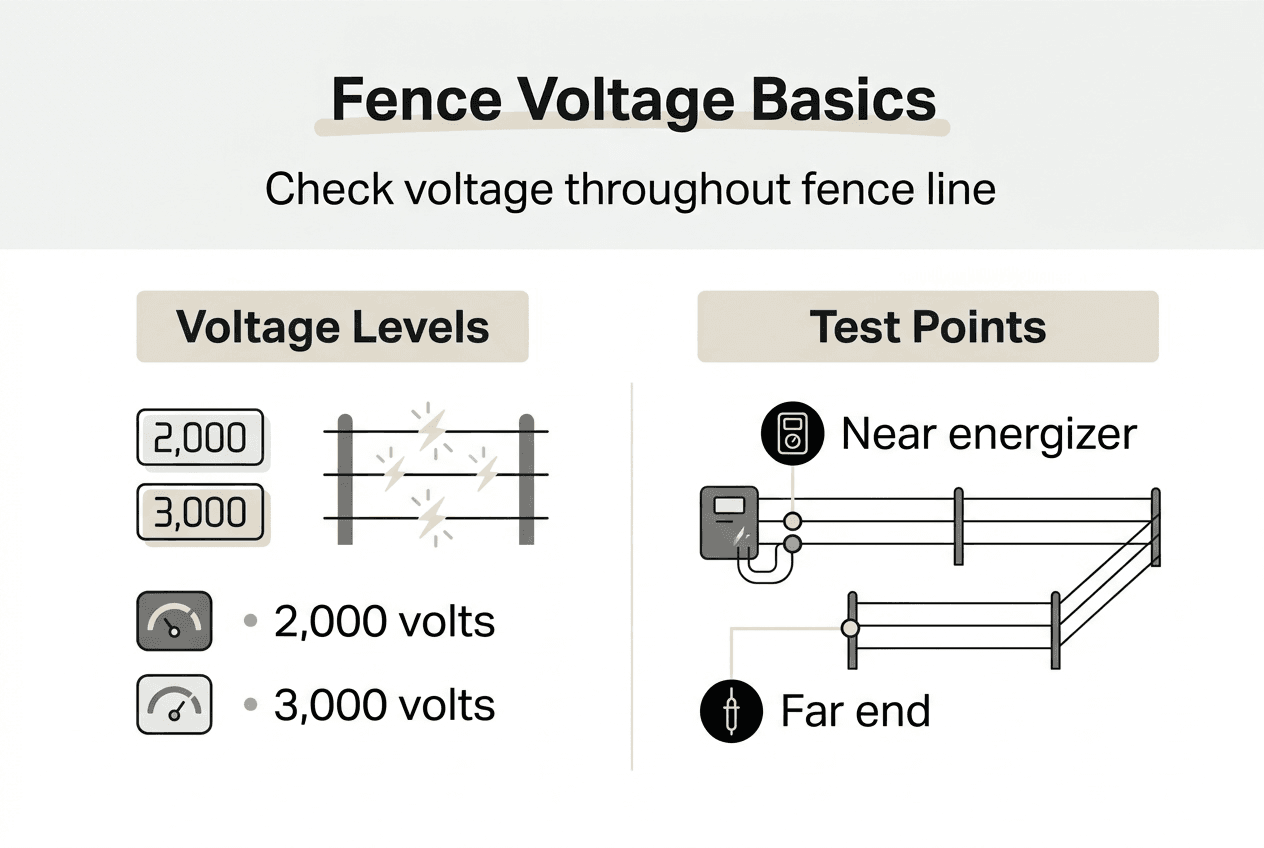
Electric fencing works by delivering a brief but memorable pulse that teaches horses to respect boundaries without causing injury. The voltage must be sufficient to penetrate through a horse’s thick coat, especially during winter months when hair grows longer and denser. Most experts recommend 2,000 to 3,000 volts as the minimum, with 3,000 volts being the ideal range for electric fences for horses. This range ensures the shock registers clearly through seasonal coat variations while remaining safe and humane.
Why does voltage matter so much for horses specifically? Unlike smaller livestock, horses have substantial body mass and thick coats that act as natural insulators. A horse fence must deliver at least 2,000 volts to register through a horse’s coat, especially in winter when hair is longer. Lower voltages might create a barely perceptible tingle that curious or determined horses will simply ignore, leading to repeated fence testing and eventual breaches.
The 3,000-volt sweet spot provides several advantages:
- Creates an immediate, clear deterrent that horses remember after one or two encounters
- Penetrates effectively through winter coats without requiring voltage increases
- Maintains adequate shock delivery even with minor vegetation contact or fence line resistance
- Operates well within safety parameters while ensuring reliable containment
Pro Tip: Test your fence voltage at multiple points along the line, not just near the energizer. A reading of 3,000 volts at the power source means nothing if distant sections drop below 2,000 volts where horses actually test the boundary.
Electric fencing operates on a principle of psychological conditioning rather than physical barriers. The goal is creating a memorable experience that teaches respect for the fence line. As one fencing expert explains, the shock should be “enough to get their attention and make them think twice, but not enough to cause panic or injury.” This approach aligns with modern understanding of electric fencing basics that prioritize animal welfare alongside effective containment.
Think of voltage like the volume on a speaker. Too quiet and the message doesn’t register. Too loud and you risk causing unnecessary distress. The 2,000 to 3,000-volt range hits that perfect middle ground where horses clearly receive the message without experiencing harmful levels of current. Understanding these electric fence voltage guidelines helps you make informed decisions about energizer selection and fence design.
Factors influencing voltage needs and fence performance
Your fence’s actual voltage delivery depends on far more than just the energizer’s rated output. Real-world conditions create resistance and energy loss that can dramatically reduce effectiveness at distant fence sections. In certain conditions, like long fence runs or heavy vegetation, starting at 4,000 to 5,000 volts ensures the fence still delivers enough shock at the far end. This higher starting voltage compensates for inevitable losses along the way.
Fence length creates one of the most significant challenges for maintaining consistent voltage. As electrical current travels through wire, natural resistance causes gradual voltage drops. A fence measuring 4,500 volts at the energizer might only deliver 2,200 volts half a mile away. For large pastures or perimeter fencing, this voltage degradation can mean the difference between effective containment and horses discovering weak spots.
Vegetation contact represents another major energy drain. When grass, weeds, or tree branches touch your fence wires, they create paths for current to leak into the ground. Each contact point diverts energy away from delivering effective shocks. Heavy vegetation can reduce a 4,000-volt fence down to barely 1,500 volts, rendering it nearly useless for horse containment. Regular trimming becomes essential, but starting with higher voltage provides a buffer against inevitable plant growth between maintenance sessions.
| Fence Condition | Starting Voltage | Expected Delivery | Effectiveness |
|---|---|---|---|
| Short run, minimal vegetation | 3,000 volts | 2,800 to 3,000 volts | Excellent |
| Medium run, light vegetation | 4,000 volts | 2,500 to 3,200 volts | Very good |
| Long run, moderate vegetation | 5,000 volts | 2,200 to 3,000 volts | Good |
| Long run, heavy vegetation | 6,000 volts | 1,800 to 2,500 volts | Marginal |
Seasonal changes add another layer of complexity. Summer brings rapid vegetation growth that increases energy loss. Winter snow and ice can create additional ground contact points. Spring mud reduces ground rod effectiveness, while fall leaves can bridge fence lines to vegetation. These fluctuating conditions mean your fence needs excess capacity to maintain minimum voltage year-round.
Pro Tip: Install a fence voltage tester at the farthest point from your energizer and check it weekly. This distant reading tells you the true story of your fence’s effectiveness where it matters most.
Oversizing your energizer creates a crucial voltage buffer. Buying an energizer rated for exactly your fence length often leads to poor performance by midsummer when vegetation peaks. Choosing a unit rated for 25% to 50% more distance than you actually need ensures consistent delivery through all conditions. This approach proves far more cost-effective than dealing with escaped horses or constantly fighting vegetation.
Monitoring voltage regularly helps you catch problems before they become failures. Sudden drops often indicate broken wires, failed connections, or new vegetation contact. Gradual declines might signal energizer problems or degrading ground systems. Understanding these patterns helps you maintain reliable containment. For detailed troubleshooting steps, check out this comprehensive electric fence energizer troubleshooting resource and broader electric fence troubleshooting guide.
Choosing and installing the right electric wire fencing system for horses
Selecting appropriate fencing components starts with understanding that consistent voltage across all lines matters more than peak output. A fence that consistently measures 3,000 volts across all lines is far more effective than one that spikes to 8,000 near the energizer but drops to 1,500 at the far corner. This consistency principle should guide every installation decision you make.
Energizer selection forms the foundation of your system. Consider these factors when choosing:
- Calculate your total fence length including all parallel wires and cross-fencing
- Add 25% to 50% extra capacity for vegetation buffer and seasonal variations
- Choose between AC-powered units for permanent installations or solar options for remote locations
- Verify the energizer delivers adequate joules (stored energy) to maintain voltage under load
- Select models with built-in lightning protection to prevent damage during storms
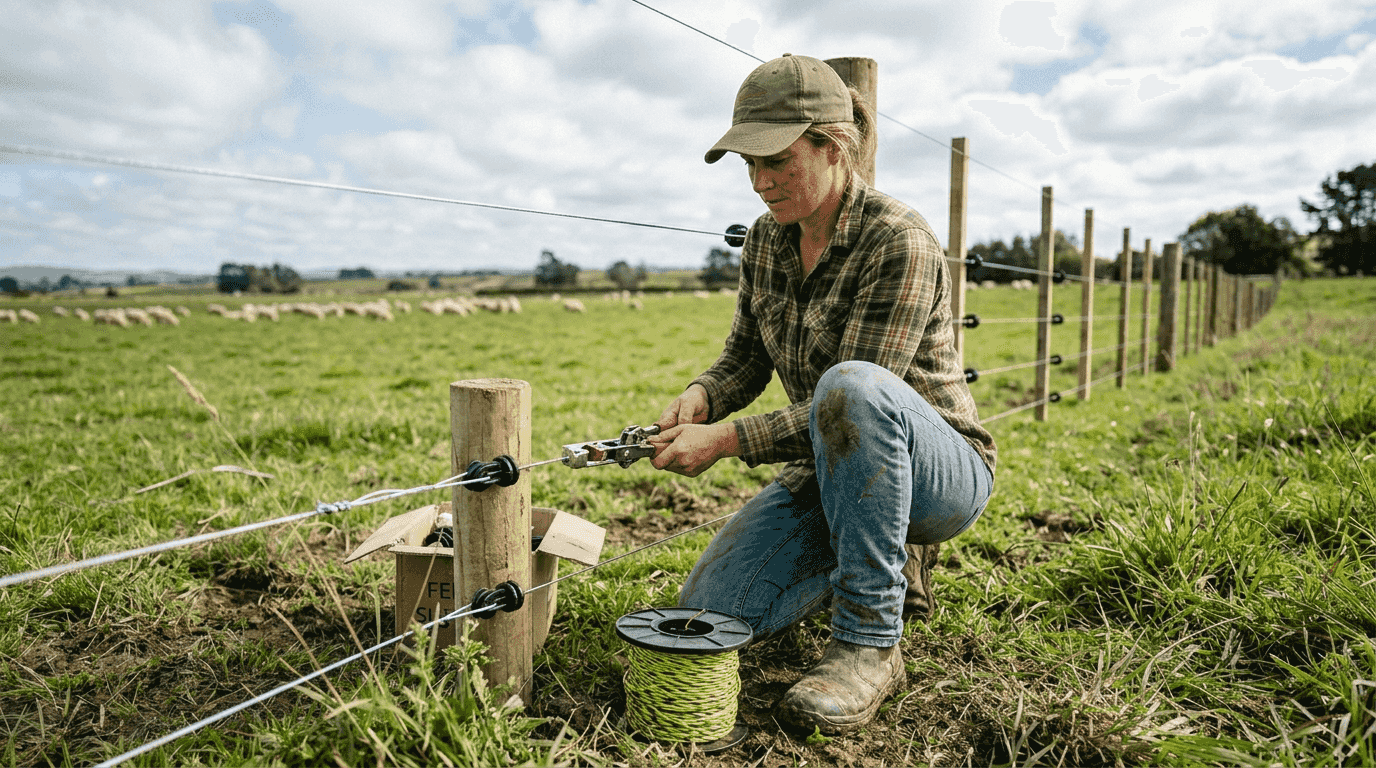
Wire type and installation quality directly impact voltage delivery. Use high-tensile smooth wire or poly wire designed specifically for horses. Avoid barbed wire combinations that can cause injuries. Space wires appropriately for your horses’ sizes, typically with the bottom wire 18 to 24 inches from ground level and subsequent wires spaced 12 to 18 inches apart. Proper tensioning prevents sagging that reduces effectiveness and increases vegetation contact.
| Energizer Type | Best Use | Voltage Range | Maintenance |
|---|---|---|---|
| AC plug-in | Permanent pastures near power | 3,000 to 8,000 volts | Minimal |
| Battery-powered | Temporary or rotational grazing | 2,500 to 5,000 volts | Regular battery changes |
| Solar-powered | Remote permanent locations | 3,000 to 6,000 volts | Panel cleaning, battery checks |
| Dual-powered | Backup power needs | 3,000 to 7,000 volts | Moderate |
Ground system installation often gets overlooked but proves critical for effective shocking. Install at least three ground rods, each six to eight feet long, spaced ten feet apart. Poor grounding prevents current from completing its circuit through the horse back to the energizer. In dry or sandy soils, you may need additional ground rods to ensure adequate earth contact.
Pro Tip: Paint the top wire white or add visibility flags every 10 feet when first introducing horses to electric fencing. Once they learn to respect the boundary, these visual aids prevent accidental collisions that can damage both fence and horse.
Safety considerations for horses require special attention. Unlike cattle, horses can panic when shocked, potentially running through fences or injuring themselves. Make fences highly visible with white tape or rope options. Avoid installing electric fencing where panicked horses might run into solid obstacles. Keep fence heights appropriate to prevent horses from attempting to jump over, which can lead to entanglement.
Oversizing your energizer slightly ensures a buffer for seasonal changes, preventing the common mistake of buying just enough capacity. This strategy maintains performance through vegetation growth cycles and environmental variations. For comprehensive setup guidance, review this detailed electric fence installation guide and these electric fencing setup steps specifically designed for horse owners.
Maintaining your electric wire fence for optimal horse safety and control
Regular maintenance separates reliable fencing from systems that fail when you need them most. Establish a weekly routine during growing season and monthly checks during winter. Start by walking your entire fence line, looking for obvious problems like broken wires, leaning posts, or vegetation contact. These visual inspections catch most issues before they become serious failures.
Voltage testing at multiple points provides the clearest picture of fence performance. Check voltage near the energizer, at the midpoint, and at the farthest corner. Consistent readings across all three points indicate proper function. Significant drops at distant points signal problems needing immediate attention. Document these readings to track performance trends over time.
Vegetation management requires ongoing attention:
- Trim grass and weeds within two feet of fence wires on both sides
- Remove tree branches that might fall onto fence lines during storms
- Apply herbicide strips beneath bottom wires in persistent growth areas
- Increase mowing frequency during peak growing season
- Check for new vegetation contact after heavy rains that spur rapid growth
Connection points deserve special scrutiny during maintenance checks. Loose wire connections create resistance that drops voltage and generates heat. Tighten all clamps, connectors, and terminal points. Replace corroded connectors promptly. Apply dielectric grease to connection points in coastal or high-humidity areas to prevent corrosion.
Pro Tip: Keep a maintenance log noting voltage readings, vegetation clearing dates, and any repairs. Patterns in this data help you predict problems and schedule preventive maintenance before failures occur.
Seasonal adjustments optimize performance through changing conditions. Spring brings rapid vegetation growth requiring more frequent trimming and potentially higher voltage settings. Summer heat can dry out ground systems, reducing their effectiveness. Fall leaf accumulation creates new short-circuit risks. Winter snow can bridge fence lines to ground. Oversizing your energizer ensures a buffer for seasonal changes, as buying just enough often leads to poor performance by midsummer.
Ground system maintenance often gets neglected but proves essential. Test ground rod effectiveness annually by creating an artificial short on your fence and measuring voltage. If voltage drops below 2,000 volts during this test, add more ground rods. In dry climates, pour water around ground rods during testing to simulate worst-case conductivity.
Energizer care extends equipment life and maintains performance. Keep units clean and dry. Check for insect nests in ventilation openings. Verify battery charge levels on solar and battery units. Replace backup batteries according to manufacturer schedules. Clean solar panels monthly to maintain charging efficiency.
Common maintenance pitfalls to avoid include ignoring gradual voltage declines, assuming vegetation will stop growing, neglecting ground systems, and delaying minor repairs until they become major failures. Proactive maintenance costs far less than dealing with escaped horses or emergency fence repairs. For ongoing care guidance, explore these electric fence maintenance tips and basic electric fence maintenance practices.
Find the right electric fencing solutions for your horses
Building and maintaining effective electric fencing becomes much easier with quality components designed specifically for equine applications. FenceFast offers a comprehensive selection of electric fencing products tailored to Canadian horse owners’ unique needs, from energizers rated for extreme temperature ranges to accessories that simplify installation and maintenance.

Whether you’re setting up your first horse pasture or upgrading an existing system, exploring specialized solutions saves time and prevents costly mistakes. Browse complete electric fence accessory kits that include everything needed for professional installations, or check out electric fence netting products for temporary paddocks and rotational grazing systems. Visit FenceFast to discover fencing solutions matched to your specific horse management needs.
Frequently asked questions
What voltage is best for electric wire fencing for horses?
Most experts recommend 2,000 to 3,000 volts as the minimum, with 3,000 volts being the ideal range for electric fences for horses. This voltage penetrates effectively through thick coats while remaining safe. Lower voltages often fail to create sufficient deterrent for horses to respect boundaries.
How can vegetation affect electric fencing performance?
Vegetation touching fence wires diverts current to ground, causing significant energy loss that reduces shock delivery. In conditions with heavy vegetation, starting at 4,000 to 5,000 volts ensures the fence still delivers enough shock at the far end. Regular trimming within two feet of wires restores full effectiveness.
Why should I oversize my electric fence energizer?
Oversizing your energizer slightly ensures a buffer for seasonal changes and prevents midsummer performance drops when vegetation peaks. Buying exactly the minimum capacity often leads to inadequate voltage during challenging conditions. A 25% to 50% capacity buffer maintains consistent performance year-round.
How often should I check my electric fence voltage?
Test voltage weekly during growing season and monthly during winter at multiple fence points including the farthest corner from your energizer. Consistent readings across all points indicate proper function. Sudden drops signal immediate problems like broken wires or new vegetation contact requiring prompt attention.

