

Barbed wire fencing costs have climbed sharply in recent years, with annual increases exceeding 11% and dramatic spikes reaching 32% in 2021. For Canadian ranchers managing cattle operations, these rising expenses create real budget pressure. Yet barbed wire remains a practical choice for large pastures when you understand the costs, benefits, and limitations. This guide walks you through everything you need to know about barbed wire cattle fencing in 2026, from installation expenses and maintenance requirements to comparing alternatives and maximizing your investment. You’ll discover actionable strategies to control costs, prevent cattle escapes, and build fencing that works for your operation.
Table of Contents
- Understanding Barbed Wire Cattle Fencing Costs In Canada
- Pros And Cons Of Barbed Wire For Cattle Fencing
- Comparing Barbed Wire To Alternative Cattle Fencing Options
- Installing And Maintaining Barbed Wire Cattle Fences Efficiently
- Explore Quality Fencing Solutions For Your Ranch
- Frequently Asked Questions About Barbed Wire Cattle Fences
Key takeaways
| Point | Details |
|---|---|
| Rising costs | Barbed wire prices increased over 11% annually, with peaks at 32% in 2021, requiring careful budget planning. |
| Installation expenses | A 4-strand barbed wire fence costs approximately $7,400 per mile to install in Canadian provinces. |
| Budget-friendly option | Barbed wire offers the most affordable fencing for large areas but provides limited protection against large predators. |
| Low maintenance | Routine inspections and minor repairs keep labor requirements minimal compared to other fencing types. |
| Herd security | Proper barbed wire fencing prevents cattle escapes, protecting your livestock and maintaining good neighbor relations. |
Understanding barbed wire cattle fencing costs in Canada
The past decade brought significant price volatility to fencing materials. Barbed wire and fence posts increased over 11% annually, with dramatic spikes during supply chain disruptions. Barbed wire prices jumped 32% in 2021, while fence posts surged 29% in 2023. These increases directly impact your bottom line when planning new fencing projects or expanding existing pastures.
Installation costs for a standard 4-strand barbed wire fence average around $7,400 per mile across Canadian provinces. This figure includes materials like wire, posts, staples, and labor for proper installation. Regional factors influence final costs, with remote areas facing higher transportation expenses and labor rates varying by province. Terrain complexity also plays a role, as rocky or uneven ground requires more posts and labor hours.
Several cost drivers shape your total fencing investment. Material quality affects upfront expenses but impacts long-term durability. High-tensile barbed wire costs more initially yet requires fewer posts due to superior strength. Labor represents a substantial portion of installation costs, whether you hire contractors or calculate the value of your own time. Post spacing, wire gauge, and number of strands all influence material quantities and final expenses.
Cost breakdown for typical barbed wire installation:
- Materials (wire, posts, staples): 40-50% of total cost
- Labor (installation, post setting): 35-45% of total cost
- Equipment rental or use: 10-15% of total cost
- Site preparation and clearing: 5-10% of total cost
Pro Tip: Schedule fencing projects during late fall or early spring when contractors have more availability and material suppliers offer seasonal discounts, potentially saving 10-15% on total costs.
Understanding these cost factors helps you budget realistically and identify opportunities to reduce expenses without sacrificing fence quality. Planning ahead allows you to purchase materials when prices dip and secure contractor availability during slower seasons. For additional strategies tailored to Canadian conditions, explore cattle fencing ideas for Canadian ranchers to optimize your investment.
Pros and cons of barbed wire for cattle fencing
Barbed wire delivers specific advantages that explain its continued popularity among ranchers. The primary benefit is cost effectiveness, with barbed wire fencing costing significantly less per mile than woven wire or high-tensile alternatives. This makes it ideal for enclosing large pastures where budget constraints matter. Installation requires fewer specialized skills compared to electric fencing systems, allowing ranchers to complete projects with basic tools and knowledge.
Maintenance requirements remain relatively low once properly installed. Unlike electric fencing that needs regular voltage testing and energizer maintenance, barbed wire simply requires periodic inspections for wire tension and post stability. The simplicity translates to labor savings over the fence’s lifespan. Barbed wire also effectively contains cattle under normal conditions, with the barbs discouraging animals from pushing through or rubbing against wires.
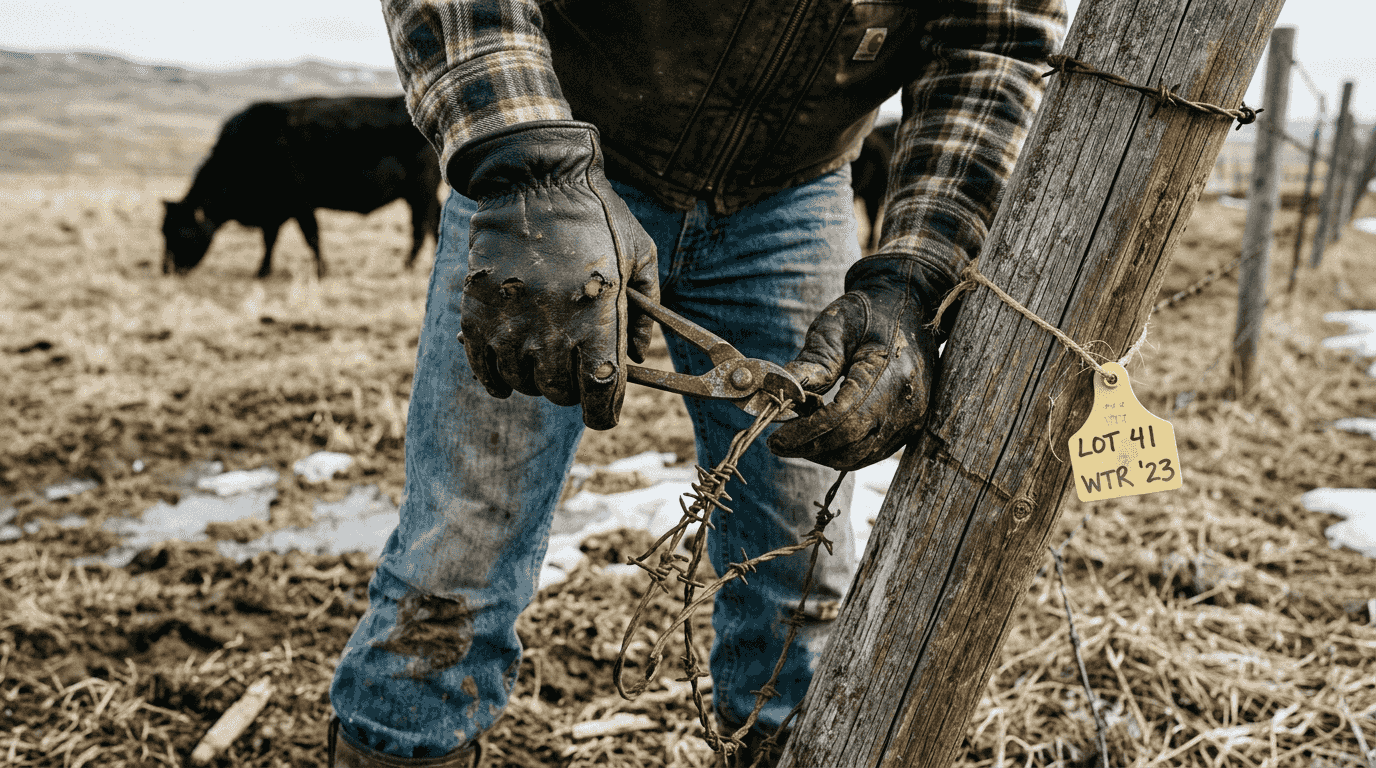
However, barbed wire is budget-friendly but not always sufficient to deter larger predators. Bears, wolves, and other large predators can breach barbed wire fences with relative ease. This limitation becomes critical in regions with active predator populations where livestock losses impact profitability. The physical barbs also pose injury risks to cattle, particularly young calves or animals that panic and run into fences.
Five key benefits of barbed wire fencing:
- Lowest material cost per mile among permanent fencing options
- Simple installation process requiring minimal specialized equipment
- Effective cattle containment for routine grazing operations
- Widely available materials across Canada with multiple supplier options
- Long lifespan when properly maintained, often exceeding 20 years
Five notable limitations to consider:
- Poor predator deterrence compared to electric or woven wire fencing
- Potential for cattle injuries from barbs during panic or rough weather
- Less visible than other fencing types, increasing collision risks
- Requires proper tension maintenance to prevent sagging and gaps
- Not suitable for containing horses or other livestock that lean on fences
“Barbed wire prevents cattle escapes and maintains herd security when installed correctly, but ranchers must weigh predator risks and potential injury concerns against the significant cost savings.”
Balancing these factors requires honest assessment of your specific situation. Operations in low-predator areas with gentle cattle breeds gain maximum value from barbed wire’s affordability. Ranches facing predator pressure or managing high-value breeding stock may need to consider fencing options against predators or explore the best fencing for cattle that balance cost with enhanced protection.
Comparing barbed wire to alternative cattle fencing options
Choosing the right fencing type requires understanding how barbed wire stacks up against alternatives. Each option brings distinct advantages in cost, effectiveness, maintenance demands, and predator resistance. The comparison helps you match fencing to your specific operational needs and budget constraints.
| Fencing Type | Cost per Mile | Cattle Effectiveness | Predator Resistance | Maintenance Level |
|---|---|---|---|---|
| Barbed Wire | $7,000-$8,000 | High | Low | Low |
| Woven Wire | $12,000-$15,000 | Very High | Medium | Medium |
| Electric Fencing | $3,000-$5,000 | High | High | Medium-High |
| High-Tensile | $8,000-$11,000 | High | Medium | Low-Medium |
Barbed wire delivers the best value for enclosing large grazing areas where predator pressure remains minimal. The low installation cost and minimal maintenance make it ideal for operations prioritizing affordability over maximum security. Barbed wire is a budget-friendly option that suits enclosing large areas but may require reinforcement for predator control in vulnerable regions.
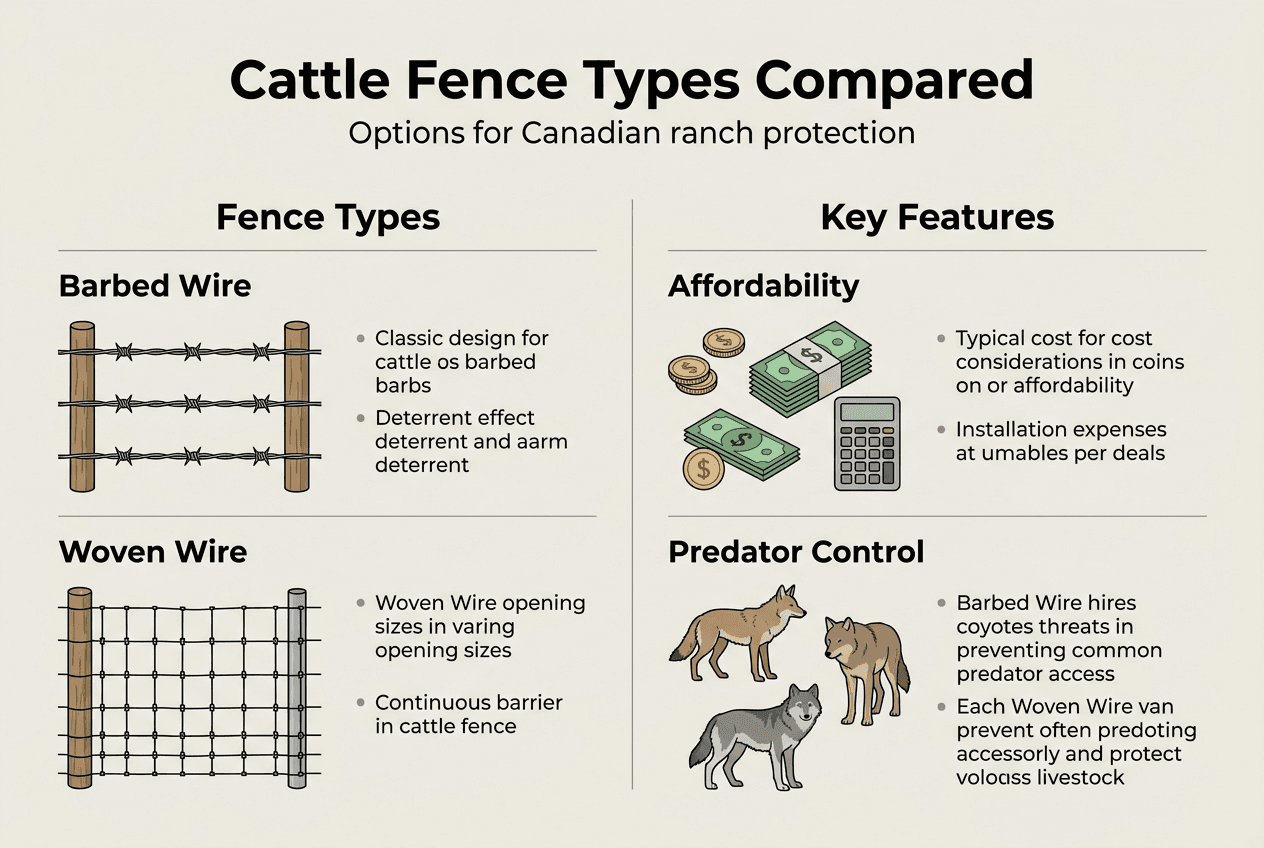
Woven wire fencing provides superior cattle containment and moderate predator deterrence through its tight mesh construction. The higher material and installation costs reflect this enhanced security. Woven wire works well for calving pastures, high-value breeding stock, or areas with moderate predator activity. Maintenance requirements increase due to the more complex wire structure and greater susceptibility to damage from fallen trees or heavy snow loads.
Electric fencing offers the most effective predator deterrence at the lowest material cost. However, ongoing maintenance demands include regular voltage testing, energizer upkeep, and vegetation management to prevent shorts. Power requirements add operational costs, though solar options reduce this expense. Electric fencing excels for rotational grazing systems where flexibility matters, but requires more management attention than passive fencing types.
High-tensile fencing splits the difference between barbed wire affordability and woven wire strength. The stronger wire allows wider post spacing, reducing material costs while maintaining effectiveness. Installation requires specialized equipment and skills, potentially increasing labor expenses. High-tensile fencing suits operations seeking durability with moderate upfront investment.
Pro Tip: Combine barbed wire perimeter fencing with electric strands on vulnerable sections to gain cost savings on most of your fence line while adding targeted predator protection where needed most.
Your choice depends on balancing multiple factors: available budget, predator risks, cattle temperament, terrain challenges, and long-term operational plans. Many successful operations use different types of cattle fence for different purposes, matching each fencing type to specific pasture needs. Consider removable fencing ideas for seasonal grazing areas where permanent installation doesn’t make economic sense.
Installing and maintaining barbed wire cattle fences efficiently
Proper installation determines fence longevity and effectiveness. Following systematic steps ensures your barbed wire fence performs reliably for decades. Installation costs for a 4-strand barbed wire fence average about $7,400 per mile in Canadian provinces, making quality workmanship essential to protect this investment.
Step-by-step installation process:
- Mark fence line and clear vegetation, removing obstacles that interfere with post placement or wire runs.
- Set corner and end posts first, using larger diameter posts (6-8 inches) buried 3-4 feet deep for maximum stability.
- Install line posts every 12-16 feet along straight runs, spacing closer on slopes or curves to maintain proper wire tension.
- Attach wire to corner posts using fence staples driven at slight angles, leaving room for wire movement during temperature changes.
- Stretch wire to proper tension using a fence stretcher, avoiding over-tightening that stresses posts or causes wire breaks.
- Secure wire to line posts with staples, maintaining consistent height for each strand across the entire fence line.
- Install braces at corners and every 660 feet on long straight runs to prevent post leaning and maintain wire tension.
Post quality directly impacts fence lifespan. Treated wooden posts resist rot and insect damage, typically lasting 20-25 years in Canadian climates. Steel posts offer longer life but cost more upfront and conduct cold in winter, potentially causing frost heaving in some soil types. Post diameter matters, with larger posts providing better stability in loose or sandy soils.
Routine maintenance keeps fences functional and prevents small problems from becoming expensive repairs:
- Inspect wire tension monthly during grazing season, tightening sagging sections before gaps allow cattle through.
- Check post stability twice yearly, resetting any leaning posts and replacing rotted wooden posts promptly.
- Repair wire breaks immediately using proper splicing techniques or wire connectors to maintain fence integrity.
- Clear vegetation along fence lines annually to prevent wire damage and maintain visibility for cattle.
- Monitor for rust on wire and staples, applying protective coating or replacing severely corroded sections.
Canadian climate creates specific maintenance challenges. Spring freeze-thaw cycles can heave posts, requiring inspection and resetting after winter. Heavy snow loads stress wire and posts, making post-winter checks essential. Summer vegetation growth can hide fence damage and create fire hazards in dry regions, requiring regular clearing.
Pro Tip: Invest in quality fence stretchers, post drivers, and wire cutters from the start. Proper tools make installation faster and easier while producing better results that reduce long-term maintenance needs.
Preventing cattle escapes protects your herd and maintains positive relationships with neighbors. Regular fence walks identify potential weak points before cattle find them. Pay special attention to low spots where cattle might jump or crawl under, and areas near water or feed where animals congregate and test fences. For comprehensive guidance on durable fencing systems, review choosing durable agricultural fencing and explore smart livestock fencing ideas that enhance your operation’s efficiency.
Explore quality fencing solutions for your ranch
Building effective cattle fencing requires reliable materials and expert guidance. FenceFast offers comprehensive fencing products specifically tailored to Canadian farmers and ranchers managing livestock operations. Whether you’re installing new barbed wire perimeter fencing or upgrading existing systems with complementary technologies, quality suppliers make the difference between fencing that lasts and frequent costly repairs.

Explore specialized solutions like predator exclusion fencing netting to protect vulnerable areas where barbed wire alone provides insufficient security. Modern fence monitoring technology, including the Gallagher i-Series fence monitor, helps you maintain optimal fence performance and catch problems before cattle escape. Visit FenceFast to discover fencing components, installation tools, and expert advice that help Canadian ranchers build secure, cost-effective livestock management systems suited to local conditions and operational demands.
Frequently asked questions about barbed wire cattle fences
How often should I inspect and maintain my barbed wire fence?
Conduct monthly inspections during active grazing season to check wire tension and identify damage early. Perform comprehensive twice-yearly maintenance in spring and fall, focusing on post stability, wire condition, and vegetation clearing to prevent long-term deterioration.
What are the best ways to strengthen barbed wire fences against predators?
Add electric wire strands above and below your barbed wire fence to create a psychological and physical barrier that deters predators. Install closer post spacing and use woven wire on the bottom two feet in high-risk areas. Consider cattle fencing ideas that combine multiple fencing technologies for enhanced protection.
Are there Canadian regulations governing cattle fencing requirements?
Fencing regulations vary by province and municipality, with some areas requiring specific fence heights, strand counts, or setbacks from property lines. Contact your local agricultural office or municipal government to verify requirements before starting installation, as non-compliant fencing can result in fines or mandatory reconstruction.
How can I manage rising costs when planning new fencing projects?
Purchase materials during off-season sales, typically late fall or winter when demand drops. Consider phased installation to spread costs across multiple years, prioritizing the most critical fence sections first. Bulk purchasing with neighboring ranchers can secure volume discounts on wire and posts.
What tools are essential for efficient installation and repairs?
Invest in a quality fence stretcher for proper wire tensioning, a post driver or auger for setting posts efficiently, and heavy-duty wire cutters for clean cuts. Keep fence staples, splicing sleeves, and replacement wire on hand for quick repairs. Explore comprehensive types of cattle fences to understand which tools match your chosen fencing system and operational needs.

