

If you can only do six things to start a ranch, do these: land due diligence, a one-year business plan, secure water, fence critical paddocks, a basic grazing plan, and a risk plan, then call your local extension office or USDA Service Center. Everything else, from handling facilities to recordkeeping, builds on those six. The checklist for new ranchers below breaks each one into the actual steps, in the order they need to happen.
TL;DR:
- Securing water and installing perimeter fencing should be the top priorities before purchasing livestock, with backup systems in place to ensure reliability.
- Conduct two seasonal property inspections to verify boundaries, access, drainage, soil health, and existing infrastructure, asking for utility and grazing lease histories.
- Develop a conservative cash-flow budget, explore USDA funding options, and register your operation with a legal structure before acquiring animals or equipment.
- Choose fencing and water infrastructure first, with a phased approach to fencing—starting with electric options and adding permanent fencing as capital permits.
- Track key metrics like forage condition, stocking rate, and animal health from day one, reviewing them regularly to adapt grazing and feeding strategies effectively.
Table of Contents
- Land and Property Due Diligence Checklist: What to Inspect Before You Buy
- Business Planning and Financing Checklist: Budget, Funding, and Registration
- Critical Infrastructure Checklist: Fencing, Water, and Handling Priorities
- Pasture and Livestock Setup Checklist: Stocking, Forage, and Health Basics
- Operations and Staffing Checklist: Daily, Weekly, and Seasonal Tasks
- Risk Management and Regulatory Checklist: Insurance and Contingency Planning
- Planning, Monitoring and Adaptive Management: What to Track in Year One
- Where to Get Help: Extension Services, USDA Programs, and Templates
- Animal Nutrition and Feeding Strategies for a New Herd
- Practical Priorities I’d Do First on a New Ranch
- How Fencefast Helps New Ranchers Move From Checklist to Fence Line
- Sources
Land and Property Due Diligence Checklist: What to Inspect Before You Buy
Walk any property you’re serious about at least twice, once in dry conditions and once after rain, before you sign anything. Boundaries, access roads, and neighboring operations all look different depending on the season, and a beginning farmer’s checklist for buying land puts on-site visits ahead of paperwork for good reason.
Before you make an offer, confirm:
- Zoning classification and any restrictions on livestock density or structures
- Water rights, well capacity, and surface water reliability through drought years
- Flood risk and drainage patterns across the pasture, not just near the house
- Soil test results and an honest read on pasture productivity and erosion
- Existing fences, outbuildings, and corrals, plus a repair cost estimate
- Leases, easements, and prior land use that could limit what you can do
Pro Tip: Ask the seller for utility bills and grazing lease history going back three years. Real water and feed costs tell you more than any listing description.
Business Planning and Financing Checklist: Budget, Funding, and Registration
A ranch survives its first year on the strength of its budget, not its ambition. Work through these steps roughly in order:
- Draft a conservative one-year cash-flow budget, including land, fencing, water, livestock, and equipment costs separately from recurring feed and vet expenses.
- Contact USDA beginning farmer and rancher resources and your local Service Center to ask about loans, grants, and technical assistance before you finalize a budget.
- Choose a legal business structure, register the operation, and set up basic bookkeeping software or a simple ledger system.
- List every likely startup expense against your budget and flag which items can wait until year two.
- Sketch your first market channels, whether that’s direct sales, a local auction, or a supply contract, along with rough pricing assumptions.
USDA Service Centers exist specifically to walk new operators through financing options most people never find on their own.
Critical Infrastructure Checklist: Fencing, Water, and Handling Priorities
Buy fencing and water infrastructure before you buy animals, not after. That order sounds obvious until the excitement of a good cattle deal pushes someone into skipping it.
Work through these priorities in sequence:
- Perimeter containment first, then paddock division, then gate placement for efficient movement
- Water systems built with redundancy: at least one trough or tank plus a backup pump or power source
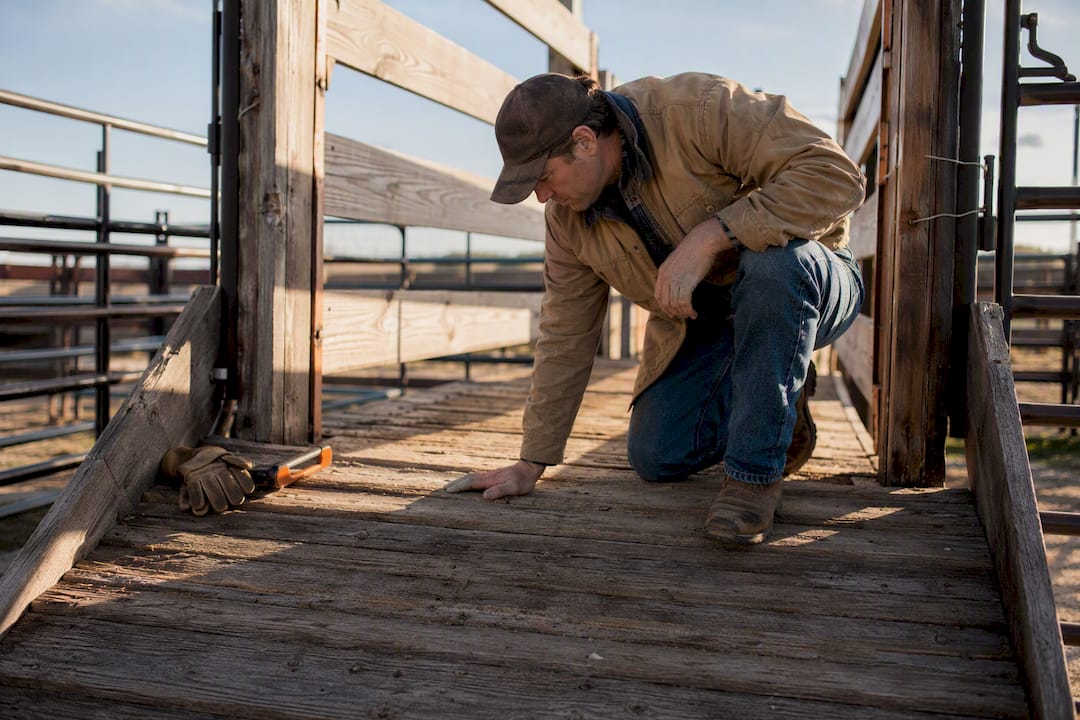
- Handling facilities designed for safety: a loading ramp, squeeze chute, and non-slip flooring
- A phased fence budget, temporary electric fencing now, permanent perimeter fencing as capital allows
- A short written maintenance schedule for fences, pumps, and handling equipment
Cattle fencing best practices generally favor high-tensile perimeter wire backed by portable electric fencing for interior paddocks. It’s the cheapest way to get flexible containment without committing your full fencing budget in year one.
Pro Tip: Build your squeeze chute and loading ramp before your first big vet visit. Retrofitting a corral around a stressed animal is how people get hurt.
Pasture and Livestock Setup Checklist: Stocking, Forage, and Health Basics
Stocking rate mistakes are the single most common reason new ranches run short on feed by their second summer. Work out your paddock layout and forage capacity before you commit to a herd size.
- Estimate stocking rate conservatively and design paddocks around rotational grazing, not a single large field
- Identify which forage species you have and where seasonal shortages are likely to hit
- Set up a basic herd health plan: vaccination schedule, deworming calendar, and a dedicated quarantine area
- Train yourself and any help on low-stress handling before working animals under pressure
- Start recordkeeping immediately: animal IDs, treatments, breeding dates, and weight checks
Simple, repeatable pasture indicators work better for new operators than complex forecasting models. Grazing management guidance recommends tracking forage height, residual cover, and recovery time between rotations rather than trying to model yield precisely.
Pasture math worth knowing: understocking by 10 to 20% in your first year costs you less than overstocking by the same margin. Recovering an overgrazed pasture can take a full season or longer, while carrying a few less heads just means slightly slower growth.
Operations and Staffing Checklist: Daily, Weekly, and Seasonal Tasks
Ranches run on routines, not heroics. Set these up in your first month:
- Build a daily checklist covering water sources, feed, and a quick fence walk.
- Add weekly maintenance tasks: equipment checks, mineral supplementation, and pasture rotation moves.
- Set a monthly cadence for accounting and inventory review.
- Decide early which jobs you’ll hire out (haying, major fence builds) versus handle yourself.
- Write short standard procedures for any new worker, and schedule routine maintenance for tractors, pumps, and chute equipment before breakdowns force the issue.
Risk Management and Regulatory Checklist: Insurance and Contingency Planning
Check required local permits and register with any agencies your county or state requires before livestock arrive on the property.
- Compare liability, livestock mortality, and equipment insurance, and ask each insurer what documentation they require upfront
- Draft a one-page emergency plan covering fire, flood, and disease outbreak scenarios
- Identify backup water and power sources before you need them, not during an outage
- Put basic biosecurity and animal traceability practices in place from day one
- Keep a simple, organized file of records for compliance and insurance claims
Pro Tip: Photograph your fences, water systems, and outbuildings the day you take ownership. Insurers move faster on claims when you already have dated proof of condition.
Planning, Monitoring and Adaptive Management: What to Track in Year One
Pick three to five metrics you’ll actually record, not a dashboard you’ll abandon by March. Good starting choices:
- Forage condition, checked weekly during grazing season
- Stocking rate versus paddock capacity, reviewed monthly
- Calving percentage, tracked at each calving season
- Cost per animal unit month (AUM), reviewed quarterly
Set a review rhythm: quick operational checks weekly, financial reviews monthly, full plan updates annually. A forage shortfall in July, for instance, should trigger your supplemental feed plan immediately rather than waiting for the annual review. The Integrated Ranch Management guide from The Nature Conservancy frames this as a planning, monitoring, and adapting cycle rather than a one-time document, which matches how most working ranches actually operate.
Where to Get Help: Extension Services, USDA Programs, and Templates
- USDA Service Centers and beginning farmer coordinators for loans and technical assistance
- University extension workbooks (Purdue, NC Cooperative Extension) for budgeting worksheets
- FenceFast’s step-by-step farm startup guide for fencing and infrastructure planning
- Corral design guidance for handling facility layout
Animal Nutrition and Feeding Strategies for a New Herd
Forage does most of the feeding work on a well-run ranch, so know what you’re growing before you know what you’re buying. Cool-season grasses like fescue and orchardgrass carry different protein curves than warm-season species like bermudagrass, and your stocking decisions should follow the forage, not the other way around.
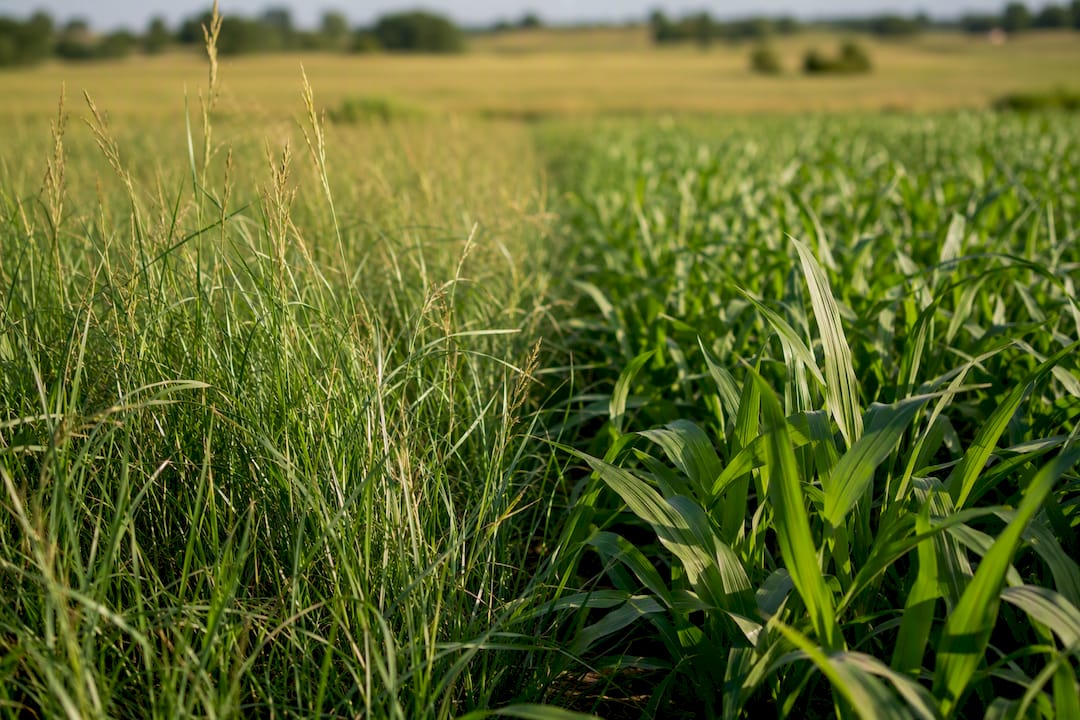
Supplementation exists to fill gaps, not replace pasture. Late winter and early spring, when forage protein drops, is when most new operations reach for hay or a protein supplement. Late summer heat can create a second gap in warm-season pastures, especially during drought stretches.
Build seasonal adjustments into your feeding plan before you need them:
- Stockpile or bale hay reserves that cover at least 60 to 90 days of a feed gap
- Test hay quality rather than assuming all bales are equal
- Adjust mineral supplementation for pregnant or lactating animals separately from the rest of the herd
- Watch body condition scores monthly, not just at weaning or calving
Pasture management planning that accounts for seasonal forage swings up front tends to cost less than reactive hay purchases during a shortage. Buying hay in September because you ran out beats scrambling for it in January, but planning for the gap in June beats both.
Practical Priorities I’d Do First on a New Ranch
Secure reliable water and basic perimeter containment before buying a single animal. Start recordkeeping and simple monitoring immediately, then add detailed metrics after your first 90 days. If money is tight, phase your fencing: perimeter and critical paddocks first, everything else later.
— Juiced
How Fencefast Helps New Ranchers Move From Checklist to Fence Line
Most of the infrastructure items on this checklist, perimeter containment, paddock division, handling facilities, come down to sourcing the right fencing components without guessing at specs from a catalog. Fencefast built its fence equipment collection around exactly that gap: wire, connectors, and electric fencing components chosen for working ranches, not hobby yards.
For the actual build phase, the fence tools and fasteners collection covers the staplers, connectors, and hardware that turn a materials order into a finished paddock. If you’re planning grant funding, Fencefast’s design consulting team can also walk you through programs like OFCAF for virtual fencing adoption, so you’re not navigating that paperwork solo. Start by browsing the fence equipment collection and pricing out your first perimeter phase. It’s a faster way to get a real quote than guessing quantities off a property map.
Sources
Bookmark the USDA beginning farmer resources, the Nature Conservancy’s IRMP guide, and Purdue Extension’s New Farmer Resource Guide for downloadable worksheets and program details.
- How to Start a Farm: Beginning Farmers and Ranchers
- A Beginning Farmer’s Checklist For Buying A Small Farm
- Integrated Ranch Management (IRMP) Guide — The Nature Conservancy

