

Many goat farmers mistakenly believe high tensile wire fencing is dangerous or prohibitively expensive. The truth contradicts these myths. When properly installed and maintained, this fencing type offers unmatched durability, cost efficiency over time, and safety comparable to other smooth wire systems. Goats are notorious escape artists, testing every weak point in traditional fencing. This guide reveals how high tensile wire solves these containment challenges while delivering long-term value for Canadian farms.
Table of Contents
- Introduction To High Tensile Wire Fencing For Goats
- Durability And Lifespan: Why High Tensile Wire Outlasts Traditional Fences
- Preventing Goat Escapes: Design Features And Installation Best Practices
- Cost Efficiency And Safety: Comparing High Tensile Wire With Other Fencing Options
- Common Misconceptions About High Tensile Wire Fencing
- Applying High Tensile Wire Fencing On Canadian Goat Farms
- Upgrade Your Goat Containment With Proven Fencing Solutions
- Frequently Asked Questions
Key takeaways
| Point | Details |
|---|---|
| Superior durability | High tensile wire fencing lasts 30 to 40 years with minimal maintenance, outlasting wood and woven wire alternatives. |
| Effective escape prevention | Proper design with correct height, mesh sizing, and tensioning stops goats from climbing, pushing through, or squeezing under fences. |
| Long-term cost efficiency | Despite higher upfront costs, reduced maintenance and extended lifespan make high tensile wire more economical over decades. |
| Safety when maintained | Injury rates match other smooth wire fences when installation follows best practices and regular inspections prevent hazards. |
| Canadian climate adaptability | Galvanized components and proper tensioning withstand harsh winters and variable terrain across Canadian farms. |
Introduction to high tensile wire fencing for goats
High tensile wire fencing uses galvanized steel wire with exceptional strength, typically 12.5 gauge, tensioned between posts to create rigid barriers. The wire’s tensile strength exceeds 200,000 PSI, resisting stretching and sagging under pressure. This makes it ideal for livestock that constantly test fence boundaries.
Goats present unique containment challenges due to their natural behaviors. They climb obstacles, squeeze through narrow gaps, and push against barriers with surprising force. Their curiosity drives them to explore every potential escape route. Traditional fencing often fails because it lacks the structural integrity to withstand these persistent efforts.
Conventional options like wooden rail fences rot and weaken over time. Woven wire sags when goats lean against it or climb the mesh. Barbed wire poses injury risks while still allowing determined goats to slip between strands. These failures lead to escaped animals, damaged crops, and frustrated farmers.
High tensile wire addresses these problems through material strength and proper tensioning. Properly tensioned high tensile fences resist sagging and maintain containment against goats’ pushing and climbing behaviors. The fixed knot pattern prevents horizontal wires from sliding vertically, eliminating gaps that goats exploit.
Farmers increasingly prefer this fencing type for several compelling reasons:
- Material strength handles aggressive livestock behaviors without degrading
- Minimal maintenance requirements reduce long-term labor and costs
- Extended lifespan eliminates frequent replacement projects
- Versatility accommodates various terrain types and farm layouts
- Integration with electric systems enhances deterrent effectiveness
Understanding the best wire fence for goats requires evaluating both material properties and installation techniques. The combination determines whether your investment delivers reliable containment or ongoing headaches. Additional goat escape prevention insights reveal how design choices directly impact success rates.
Durability and lifespan: why high tensile wire outlasts traditional fences
Galvanized steel 12 gauge wire forms the foundation of durable high tensile fencing. The galvanization process coats steel with zinc, creating a protective barrier against rust and corrosion. Fixed knot patterns lock horizontal and vertical wires together, preventing movement that causes traditional woven wire to fail. This construction maintains fence geometry even under constant pressure.
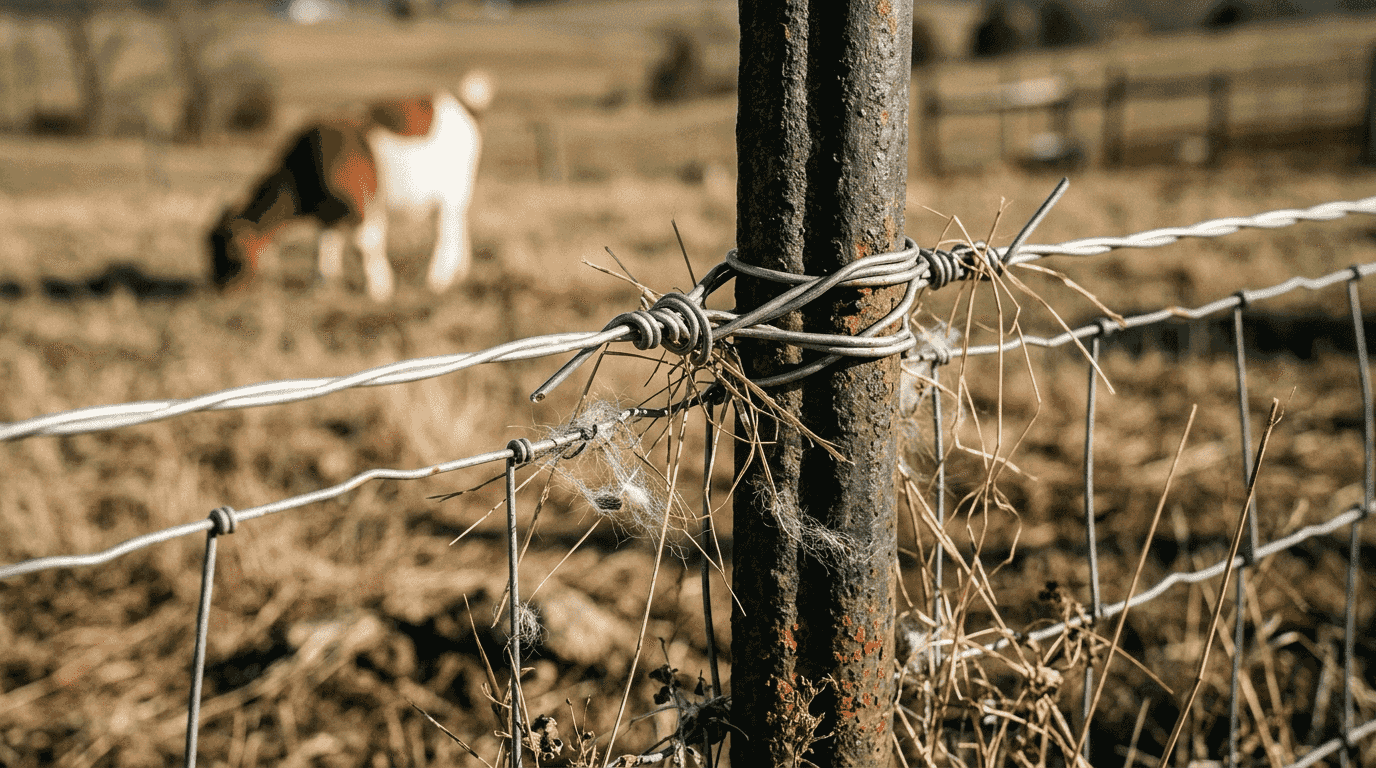
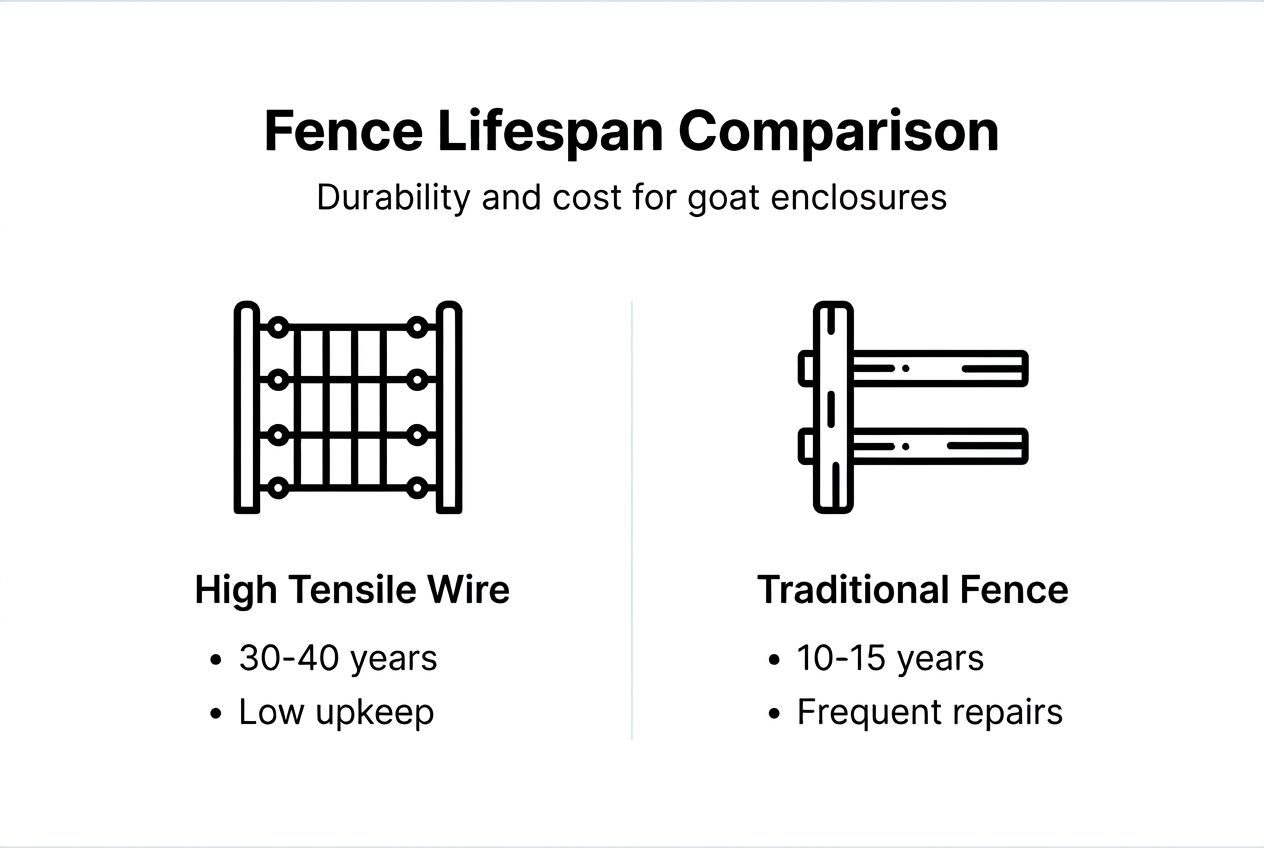
Properly installed high tensile fencing withstands Canadian weather extremes, goat pressure, and environmental stress for 30 to 40 years. The galvanized coating protects against moisture, temperature fluctuations, and UV exposure. Wire tension distributes force across the entire fence line rather than concentrating stress at weak points. This prevents the gradual degradation that plagues other fencing types.
Wooden fences face different challenges. Posts rot at ground level within 10 to 15 years despite treatment. Rails crack and splinter from weathering and animal impact. Replacement projects consume significant time and money. Woven wire fences sag as goats climb and push against them, requiring frequent re-tensioning. The wire itself corrodes faster than high tensile alternatives, especially at connection points where protective coatings wear thin.
High tensile fencing proves more cost-effective over time despite higher initial investment due to significantly lower maintenance and longer lifespan. The math favors durability. A fence lasting 35 years with minimal upkeep costs far less per year than alternatives needing replacement every decade.
Tension plays a critical role in preventing wire sagging and breakage. Properly tensioned wire acts like a spring, absorbing impact and returning to its original shape. Insufficient tension allows wires to flex excessively, creating gaps and eventually causing metal fatigue. Over-tensioning stresses posts and increases breakage risk during temperature changes when materials expand and contract.
Pro Tip: Schedule fence inspections every six months to check tension levels, identify damaged sections, and maintain optimal containment. Spring and fall inspections catch problems before they escalate into expensive repairs or escaped goats.
Maintaining proper tension throughout the fence’s lifespan requires quality components and correct installation. Agricultural fencing durable solutions depend on selecting materials engineered for long-term performance. Detailed goat fencing cost comparison data helps farmers evaluate true lifetime value rather than focusing solely on upfront expenses.
Preventing goat escapes: design features and installation best practices
Fence height directly impacts containment success. Install fences at minimum 4.5 to 5 feet tall for standard goat breeds. Larger breeds or particularly athletic animals may require 5.5 feet. Height alone won’t stop determined climbers without proper design.
Mesh sizing creates the second critical barrier. Use 4 by 4 inch spacing near the ground where kids and small goats attempt to squeeze through. Gradually increase spacing higher up where escape risk decreases. This graduated approach balances material costs with effectiveness. Smaller mesh at ground level blocks the primary escape route without requiring expensive tight spacing throughout.
Steel posts provide essential structural support for maintaining wire tension. Space posts 12 to 15 feet apart in typical terrain. Rocky or uneven ground may require closer spacing to ensure posts anchor securely. Corner and end posts need bracing to resist pulling forces from tensioned wire. Without adequate post strength and spacing, even the best wire systems fail.
Improper tensioning leads directly to containment failures. Loose wire sags when goats push against it, creating gaps underneath or between strands. Animals quickly learn to exploit these weaknesses. The fence becomes a suggestion rather than a barrier. Overtensioning causes different problems, including wire breakage during temperature changes and excessive stress on posts and connectors.
Fixed knot pattern fencing with galvanized steel improves overall tensile strength and reduces fence degradation over time through anti-welding technology at connection points.
| Design Feature | Escape Route Prevented |
|---|---|
| 4.5 to 5 foot height | Jumping and climbing over top |
| 4x4 inch ground mesh | Squeezing through bottom gaps |
| Proper wire tension | Pushing under or through wires |
| Steel post spacing | Creating weak sections to exploit |
| Fixed knot connections | Horizontal wire sliding vertically |
Follow these installation steps for Canadian terrain:
- Survey the fence line and mark post locations accounting for slopes and obstacles.
- Dig post holes 3 to 4 feet deep below frost line to prevent heaving.
- Set corner and end posts with H-bracing to resist pulling forces.
- Install line posts at measured intervals using post drivers or augers.
- Attach wire to one end post and tension gradually using mechanical tensioners.
- Secure wire to line posts with appropriate clips maintaining consistent tension.
- Test fence integrity by applying pressure at multiple points along the line.
- Adjust tension as needed before releasing livestock into the enclosed area.
Pro Tip: Use fence tension meters to measure and maintain optimal tightness. These tools remove guesswork and ensure consistent results across your entire fence line.
The temporary goat fencing setup guide offers additional insights for rotational grazing systems. Understanding the best type of fence for goats requires matching design features to your specific herd behaviors and farm conditions. Explore durable high tensile fence features to compare product specifications and performance data.
Cost efficiency and safety: comparing high tensile wire with other fencing options
Upfront costs and long-term expenses tell different stories about fencing value. This comparison reveals the true financial picture over a fence’s operational lifetime.
| Fence Type | Upfront Cost per Linear Foot | Annual Maintenance Cost | Expected Lifespan | Total 30-Year Cost |
|---|---|---|---|---|
| High Tensile Wire | $2.50 to $3.50 | $0.10 | 30 to 40 years | $3,500 to $4,600 |
| Woven Wire | $2.00 to $3.00 | $0.35 | 15 to 20 years | $6,500 to $8,000 |
| Wooden Rail | $8.00 to $12.00 | $0.50 | 10 to 15 years | $15,000 to $20,000 |
| Barbed Wire | $1.50 to $2.00 | $0.25 | 15 to 20 years | $4,000 to $5,500 |
| Electric Net | $1.00 to $2.00 | $0.40 | 5 to 8 years | $8,000 to $11,000 |
Barbed wire creates significant injury risks for goats. Sharp barbs catch fleece and skin, causing lacerations that become infected. Panicked animals injure themselves more severely trying to escape. High tensile wire with smooth surfaces eliminates these hazards. High tensile wire fencing proves safe for goats when installed and maintained properly, showing injury rates comparable to other smooth wire fences.
Combining electric fencing with high tensile wire enhances containment without adding injury risks. The psychological deterrent of electric shock trains goats to respect fence boundaries. High tensile wire integrated with electric systems enhances containment effectiveness, deterring escapes more reliably than non-electrified fences alone. Animals receive a memorable but harmless correction that modifies behavior.
Safety benefits compared to traditional options include:
- Smooth wire surfaces prevent cuts and entanglement injuries
- Rigid structure eliminates sagging that traps heads and limbs
- Proper tensioning prevents wire breakage creating sharp ends
- Visibility improvements reduce collision injuries from running animals
- Electric integration provides behavioral training without physical harm
“Properly maintained high tensile wire fencing shows injury incident rates below 2% annually, matching or exceeding safety performance of woven wire and wooden rail systems while delivering superior containment effectiveness.”
Long-term savings justify higher initial investment. The 30-year cost analysis demonstrates high tensile wire’s economic advantage despite premium upfront pricing. Reduced maintenance labor saves hundreds of hours over decades. Elimination of replacement projects prevents major capital expenditures every 10 to 15 years. These factors combine to deliver the lowest total cost of ownership.
The best electric fencing for goats depends on your containment strategy and budget. Detailed information about electric fence for goats helps farmers select appropriate components and designs. Research on high tensile wire fencing safety addresses common concerns with evidence-based answers. Understanding electric fence integration benefits reveals how hybrid systems maximize containment while controlling costs.
Common misconceptions about high tensile wire fencing
Myth: High tensile wire poses unacceptable injury risks for goats. Reality paints a different picture. High tensile wire remains safe when proper installation and maintenance prevent sharp edges or broken wires. Injury rates match other smooth wire systems when farmers follow basic care protocols.
Myth: The expense makes high tensile fencing impractical for most farms. This perspective ignores lifetime economics. Yes, upfront costs exceed basic barbed wire or woven alternatives. However, 30 to 40 year lifespan with minimal maintenance delivers lower total cost per year than cheaper options requiring frequent replacement. The math favors durability.
Myth: Installation complexity requires professional contractors and specialized equipment. While proper technique matters, the process remains manageable for farmers with basic tools and guidance. Mechanical tensioners, post drivers, and wire clips cost less than hiring contractors. Detailed instructions and video tutorials make DIY installation accessible. Thousands of farmers successfully install their own high tensile fences annually.
Common misconceptions and factual corrections:
- Misconception: Goats will injure themselves on tensioned wire. Correction: Properly maintained smooth wire shows injury rates under 2% annually.
- Misconception: High tensile costs more than the benefits justify. Correction: Lifetime cost analysis proves it the most economical permanent fencing option.
- Misconception: Only experts can install high tensile fencing correctly. Correction: Following systematic installation steps produces professional results without specialized training.
- Misconception: Wire tension requires constant adjustment and monitoring. Correction: Properly installed fences maintain tension for years with only periodic checks.
- Misconception: Canadian winters damage high tensile wire through freeze cycles. Correction: Galvanized wire and appropriate tensioning accommodate temperature fluctuations without degradation.
Experts consistently recommend high tensile wire for serious livestock operations. Agricultural engineers cite superior strength-to-weight ratios and minimal maintenance requirements. Veterinarians note lower injury rates compared to barbed wire alternatives. Farm financial advisors highlight long-term cost advantages in multi-decade analyses.
Safety assurances rest on proper implementation rather than inherent material risks. Inspect fences regularly to identify and repair any damaged sections before they cause problems. Maintain appropriate tension levels that balance effectiveness with temperature accommodation. Replace worn components promptly rather than allowing degradation to continue.
The electric net fencing goats alternative serves different purposes for rotational grazing and temporary containment. Additional perspectives on high tensile fencing safety myths address specific concerns with research-backed evidence.
Applying high tensile wire fencing on Canadian goat farms
Canadian terrain and climate present specific challenges requiring adapted installation approaches. Follow these steps for successful implementation:
- Plan fence lines accounting for frost heave zones and seasonal ground movement common in Canadian climates.
- Select galvanized Class 3 coating or better for enhanced corrosion resistance against winter road salt and moisture.
- Dig post holes 3.5 to 4 feet deep, extending below local frost line depths to prevent heaving.
- Install corner assemblies with diagonal bracing rated for temperature fluctuations from negative 40°F to 95°F.
- Space line posts at 12 foot intervals in typical terrain, reducing to 10 feet in rocky or uneven areas.
- Tension wire in moderate temperatures when possible, avoiding extreme cold or heat affecting material properties.
- Use fixed knot mesh with 12.5 gauge high tensile wire meeting or exceeding 200,000 PSI tensile strength.
- Apply tensioning gradually across the fence line rather than over-tensioning individual sections.
- Install grounding systems for electric components that function reliably in frozen soil conditions.
- Mark fence lines clearly with visibility flags to prevent snowmobile and equipment collisions during winter.
Select components engineered for harsh conditions. Class 3 galvanizing provides superior protection compared to basic coatings. Fixed knot patterns using anti-welding technology maintain connection integrity through temperature cycling. Invest in quality connectors and clips designed for high tensile applications rather than adapting components from other fencing types.
Maintenance schedules ensure year-round fence integrity:
- Spring inspection after frost heave season checking post alignment and wire tension
- Mid-summer walk examining connections and identifying wear patterns
- Fall preparation ensuring fence survives winter without damage
- Post-winter assessment repairing any damage from snow load or equipment contact
Pro Tip: Source fencing materials from established Canadian suppliers like FenceFast.ca offering products tested in local conditions with expertise in agricultural applications and livestock management needs.
Uneven terrain requires adapted techniques. Rocky ground prevents standard post hole digging. Use rock pins or surface-mounted posts with reinforced bases in these areas. Sloped sections need careful tension management to prevent wire lifting at low points or excessive stress at high points. Adjust post spacing and height to accommodate terrain variations while maintaining consistent containment effectiveness.
Recommended tools and equipment for Canadian farm fencing:
- Gas-powered post hole auger with rock bit attachments
- Mechanical fence tensioner rated for high tensile wire
- Fence stretcher and come-along for gradual tensioning
- Wire cutters and crimping tools for connections
- Tension meter measuring actual force for optimal adjustment
- Post driver for setting line posts efficiently
- Diagonal cutting pliers for wire management
- Insulated gloves protecting hands during installation
The best fencing for goats 2025 includes updated product specifications and performance data. Comprehensive guidance on agricultural fencing canada choosing durable solutions addresses regional considerations beyond goat-specific applications.
Upgrade your goat containment with proven fencing solutions
Effective goat management starts with reliable fencing that withstands escape attempts year after year. The challenges you face require durable solutions backed by quality materials and expert guidance.
FenceFast.ca specializes in agricultural fencing systems designed for Canadian conditions and livestock requirements. Our inventory includes high tensile wire, fixed knot mesh, steel posts, tensioning equipment, and electric fencing components. We understand goat behavior and help farmers select appropriate materials for their specific situations. Whether you’re building new fences or upgrading existing systems, our product selection and technical support ensure successful outcomes. Browse our comprehensive catalog of fencing supplies and accessories or explore electric fencing solutions that integrate seamlessly with high tensile wire systems. Our team provides design consultation, installation guidance, and ongoing support throughout your fencing projects.
Frequently asked questions
What gauge wire works best for goat fencing?
Use 12.5 gauge high tensile galvanized wire for optimal strength and durability. This thickness resists breaking under pressure while maintaining flexibility for proper tensioning across varied terrain.
How often should I check fence tension?
Inspect and adjust tension every six months during spring and fall. Temperature changes affect wire tightness, and seasonal checks prevent sagging before it creates escape opportunities.
Can I combine electric wire with high tensile fencing?
Yes, adding electric strands to high tensile fences creates psychological barriers that train goats to respect boundaries. Position electric wires at nose height for maximum deterrent effect.
What spacing prevents kids from escaping?
Install 4 by 4 inch mesh spacing from ground level to 2 feet high. This blocks young goats from squeezing through while allowing larger spacing higher up where risk decreases.
Does high tensile wire work in rocky Canadian terrain?
Absolutely, though installation requires adapted techniques. Use rock pins or surface-mounted posts with reinforced bases where standard digging proves impossible, adjusting post spacing to maintain structural integrity.

