

TL;DR:
- A proper sheep pasture relies on secure fencing, rotational grazing, tested soil, diverse forage, and consistent water access. Skipping these elements leads to poor pasture recovery, parasite buildup, or escaped sheep, reducing land and animal health. Regular monitoring and proper infrastructure investment ensure sustainable productivity and land management.
A well-planned sheep pasture is defined by five core elements: secure perimeter fencing, a rotational grazing schedule, tested soil, diverse forage, and reliable water access. Farmers who skip any one of these steps pay for it later through poor pasture recovery, parasite buildup, or escaped animals. This sheep pasture setup checklist covers each element in the order you should tackle it, drawing on current extension guidelines and practical field experience. Whether you are setting up sheep pasture from scratch or improving an existing one, this guide gives you a clear sequence to follow.
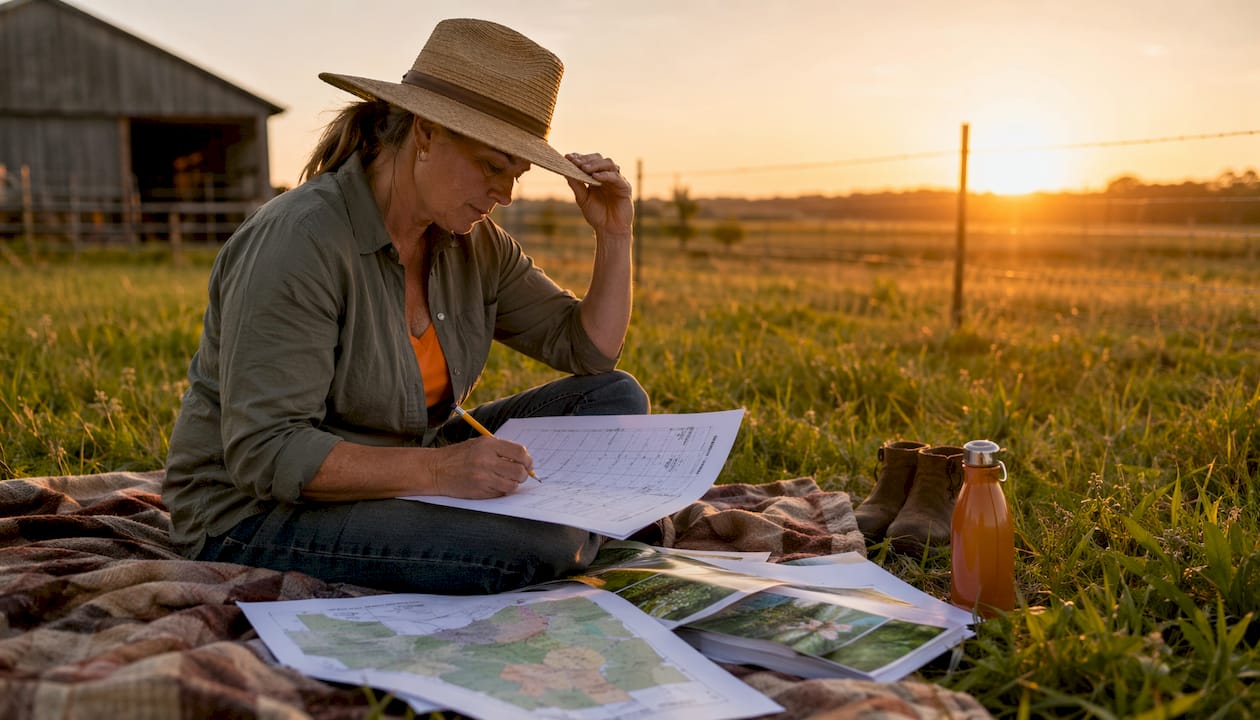
1. Sheep pasture setup checklist: start with the right fencing
Fencing is the foundation of every sheep pasture. Without it, nothing else on this list matters.
Perimeter fencing should be permanent and built to last. Woven wire is the standard choice for sheep because it resists pressure from multiple animals pushing at once. Permanent woven wire combined with temporary interior poly-tape divisions gives you a system that is both secure and flexible.
Interior paddock fencing is where most farmers cut corners, and it costs them. Electric poly-tape is preferred over poly-wire for sheep because its wider surface improves visibility and creates a stronger psychological barrier. Sheep that can see the fence respect it. Sheep that cannot see it test it constantly.
Key fencing specs to follow:
- Set electric lines at 18 inches and 24–30 inches above ground
- Add an optional wire at 6 inches near ground level to deter digging predators
- Use a fence charger rated for the total length of your electric lines, not just the perimeter
- Inspect all connections and ground rods at the start of each grazing season
Pro Tip: Poly-tape is typically 0.5–0.625 inches wide and provides better electrical contact than poly-wire. That extra surface area makes a real difference in keeping sheep where they belong.
Temporary electric netting works well for short-term paddock divisions but is heavier to move than poly-tape. For frequent rotations, poly-tape is the more practical choice.
2. Implementing rotational grazing with a clear schedule
Rotational grazing is the single most effective pasture management practice for sheep. It improves forage yield, reduces parasite loads, and extends the productive life of your land.
The basic structure is straightforward:
- Divide your total pasture area into a minimum of four paddocks
- Move sheep into a paddock when forage reaches 6–8 inches tall
- Move sheep out when grazed to 3–4 inches to protect root systems
- Rest each paddock for 21–30 days before regrazing
- Adjust rest periods upward in dry or slow-growth conditions
Rotational grazing schedules recommend moving sheep every 3–4 days during the growing season and resting paddocks for 21–30 days. Short grazing durations improve forage utilization, and rest periods are critical to breaking parasite lifecycles.
The leader-follower system takes this further. High-nutrient-requirement animals, such as lactating ewes and lambs, graze each paddock first. Lower-demand animals follow. This approach optimizes forage use and reduces parasite exposure without requiring additional land.
Pro Tip: Farmers often overcomplicate rotational systems. A simple four-paddock rotation with consistent move dates outperforms an elaborate system that never gets followed.
3. Soil testing and forage selection for a resilient pasture
Soil testing is the most important early step for any new pasture setup. Without it, you are guessing at fertilizer rates and forage suitability.
Test for pH, phosphorus, and sulfur at minimum. Most productive sheep pastures target a soil pH between 6.0 and 7.0. Phosphorus and sulfur levels directly affect legume establishment and overall forage quality. Balanced nutrients improve drought resilience and reduce the need for expensive inputs over time.
Use this table as a starting reference for forage selection:
| Forage Type | Best Use | Notes |
|---|---|---|
| Perennial ryegrass | Year-round base | High yield, palatable, suits most climates |
| White clover | Nitrogen fixing, protein | Mix with grasses; monitor for bloat risk |
| Alfalfa | High protein for ewes and lambs | Requires well-drained, higher-pH soils |
| Chicory | Summer grazing, parasite suppression | Drought tolerant, high mineral content |
| Tall fescue | Dry or transitional periods | Endophyte-free varieties preferred for sheep |
Forage diversity prevents nutritional gaps across seasons. A mix of cool-season grasses, legumes, and browse species supports lactating ewes and growing lambs through periods when a single species would fall short.
Pro Tip: Overseed bare patches in early fall or early spring when soil temperatures favor germination. Waiting until summer means competing with weeds and heat stress.
Manage invasive weeds and toxic plants before introducing sheep. Species like ragwort, bracken fern, and yew are dangerous at low doses. Walk the entire pasture before the first grazing and remove problem plants at the root.
4. Water access and mineral supplementation
Fresh, clean water must be available at all times. Sheep drink more than most farmers expect, particularly in hot weather or during lactation. A single lactating ewe can require up to a gallon of water per day above baseline.
Water and mineral placement also affects pasture wear. Concentrate both at the edge of paddocks rather than the center to distribute traffic and reduce soil compaction around high-use areas.
Mineral supplementation checklist:
- Provide loose minerals or mineral blocks formulated specifically for sheep, not cattle
- Sheep are sensitive to copper toxicity; cattle mineral mixes contain copper levels that are toxic to sheep
- Offer free-choice loose salt separately from mineral mixes
- Check mineral feeders weekly and refill before they run empty
- In selenium-deficient regions, consult a veterinarian about injectable or dietary selenium supplementation
Winter water access requires planning. Heated water troughs or insulated tank covers prevent freezing in cold climates. Sheep will reduce water intake when water is near freezing, which leads to reduced feed intake and weight loss.
Supplemental hay, grain, or protein tubs become necessary when pasture quality drops below maintenance levels. This typically occurs in late summer drought, early spring before growth begins, and in the final weeks of pregnancy.
5. Monitoring pasture condition and adjusting your approach
Pasture monitoring is not optional. Overgrazing damages productivity by stripping leaf area needed for photosynthesis and depleting root energy reserves. Recovery from severe overgrazing can take an entire growing season.
Walk each paddock before and after every grazing event. Look for:
- Forage height below 3 inches after grazing, which signals too many animals or too long a stay
- Bare soil patches or heavy hoof traffic damage near gates and water points
- Shifts in species composition toward weeds or unpalatable plants
- Slow regrowth after the standard rest period, which may indicate soil compaction or nutrient depletion
A pasture ruler or simple measuring stick gives you objective data instead of guesswork. Count tillers per square foot in key paddocks twice per season to track whether your forage base is improving or declining.
Adjust stocking rates and rotation intervals based on what the pasture tells you. A dry summer may require extending rest periods to 45 days. A wet spring may allow shorter rest periods and faster rotation. The schedule serves the pasture, not the other way around.
Key Takeaways
A productive sheep pasture requires secure fencing, a consistent rotation schedule, tested soil, diverse forage, and year-round water access to sustain both animal health and land productivity.
| Point | Details |
|---|---|
| Fencing comes first | Use permanent woven wire perimeter fencing with electric poly-tape for interior paddock divisions. |
| Rotate on a schedule | Move sheep every 3–4 days in the growing season and rest paddocks for 21–30 days minimum. |
| Test soil before seeding | Check pH, phosphorus, and sulfur levels to guide fertilization and forage species selection. |
| Diversify forage species | Mix cool-season grasses, legumes, and browse to cover seasonal nutritional gaps for ewes and lambs. |
| Monitor and adjust | Walk paddocks regularly and change stocking rates or rest periods based on actual forage recovery. |
What I’ve learned from watching farmers set up sheep pastures
Most farmers who struggle with sheep pastures have the same problem: they underinvest in fencing and overinvest in forage seed. A beautiful seed mix in a poorly fenced paddock produces nothing but frustration. The sheep escape, the neighbors call, and the pasture gets trampled before it establishes.
The second pattern I see consistently is skipping the soil test. Farmers assume their land is “good enough” and seed directly. Two years later, the legumes have failed, the grasses are thin, and they cannot figure out why. A $30 soil test would have told them the pH was too low for clover to nodulate.
Rotational grazing intimidates new sheep farmers because they picture complex spreadsheets and precise timing. The reality is simpler. Move the sheep when the grass gets short. Rest the paddock until it recovers. That core principle, applied consistently, delivers most of the benefit. The grazing rotation plan matters far less than the discipline to actually follow it.
The economics are straightforward too. Proper pasture infrastructure pays for itself within a few seasons through reduced hay purchases, lower veterinary costs from better parasite control, and higher lamb growth rates on quality forage. Cutting corners on fencing or soil preparation is not saving money. It is deferring a larger cost.
— Juiced
Fencefast has what you need for sheep pasture fencing
Setting up a sheep pasture means making fencing decisions that will affect your operation for years. Fencefast carries the full range of materials sheep farmers need, from permanent woven wire for perimeter security to electric poly-tape for interior paddock divisions that are easy to move and reset.
Whether you are building your first rotational grazing system or upgrading an existing setup, the Fencefast product catalog includes fence chargers, poly-tape, woven wire, connectors, and accessories sized for sheep operations of every scale. Fencefast ships nationwide across Canada and offers expert guidance to help you choose the right materials for your specific pasture layout and flock size.
FAQ
What is the best fencing for sheep pastures?
Permanent woven wire is the standard for sheep perimeter fencing. Interior paddock divisions work best with electric poly-tape set at 18 inches and 24–30 inches above ground.
How often should sheep be moved in a rotational grazing system?
Move sheep every 3–4 days during the growing season and allow each paddock to rest for 21–30 days before regrazing to support forage recovery and parasite control.
What height should forage be before sheep graze a paddock?
Move sheep into a paddock when forage reaches 6–8 inches tall and move them out when it is grazed down to 3–4 inches to protect root systems and speed recovery.
Why can’t sheep share mineral blocks with cattle?
Cattle mineral mixes contain copper at levels that are toxic to sheep. Always use mineral supplements formulated specifically for sheep to avoid copper toxicity.
How do I know if my pasture is being overgrazed?
Signs of overgrazing include forage height below 3 inches after grazing, visible bare soil patches, slow paddock recovery after the standard rest period, and increasing weed pressure in grazed areas.

