

TL;DR:
- Effective livestock containment combines physical fencing suited to the animals with electronic deterrents and regular maintenance.
- Design and proper installation are crucial to prevent fence failure, with focus on post spacing, braces, and vegetation control.
Livestock containment methods are systems designed to keep animals within designated areas by combining physical barriers, structural engineering, and electronic technology. The right approach depends on your species, terrain, and budget. Barbed wire, high-tensile electric fencing, woven wire panels, and Gallagher eShepherd virtual fencing represent the core options available to ranchers and agricultural managers today. Each method carries distinct cost, maintenance, and effectiveness trade-offs. Choosing the wrong system costs more than the fence itself. Escaped animals mean liability, lost productivity, and damaged relationships with neighbors.
What are the main types of physical fencing for livestock containment?
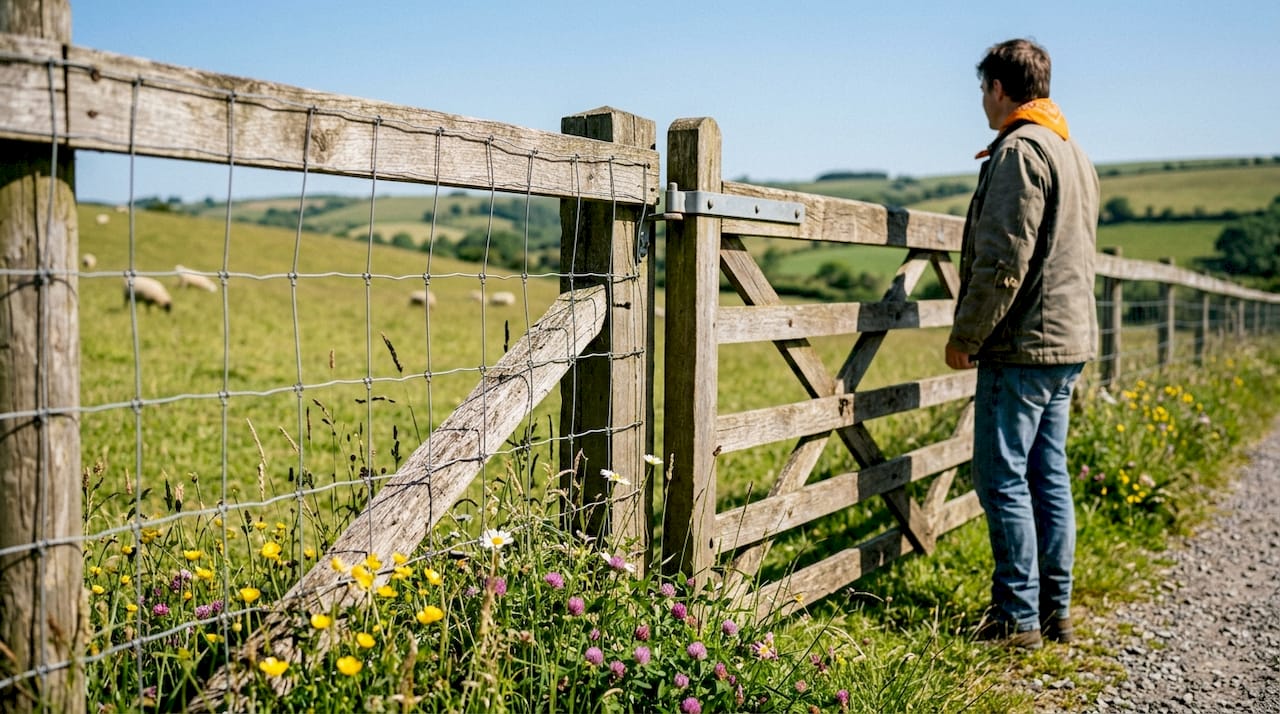
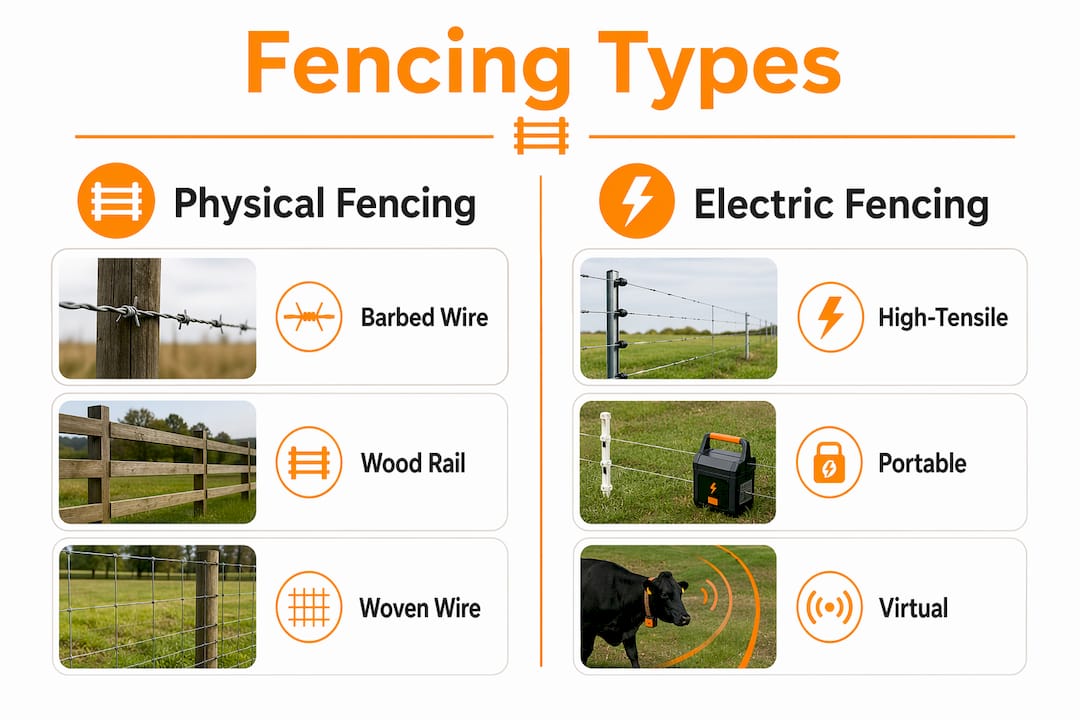
Physical fencing remains the foundation of any animal enclosure system. The material you choose determines your upfront cost, maintenance burden, and how long the fence actually lasts.
| Fence Type | Cost per Linear Foot | Lifespan | Best For |
|---|---|---|---|
| Barbed wire | $1.50–$4.00 | 15–20 years | Cattle, large perimeter runs |
| Woven wire | $2.00–$5.00 | 20–30 years | Sheep, goats, mixed livestock |
| Welded hog wire panels | $5.00–$10.00 | 30–40 years | Pigs, small ruminants, high-security areas |
| Wood rail | $8.00–$15.00 | 20–30 years | Horses, aesthetic perimeters |
| Pipe and steel rail | $10.00–$20.00 | 40+ years | High-traffic areas, loading pens |
Barbed wire costs $1.50–$4.00 per linear foot but demands consistent maintenance to stay effective. Rust, broken strands, and sagging wire are constant problems on large operations. Welded hog wire panels cost $5.00–$10.00 per linear foot and carry a 30 to 40 year lifespan with minimal upkeep. That longevity makes them the better value for permanent enclosures despite the higher entry cost.
High-tensile electric fencing sits in a different category. It uses fewer posts and lower material cost than woven wire, but it requires a reliable energizer and regular voltage checks. For cattle operations covering large acreage, high-tensile electric is often the most cost-effective fencing for livestock when combined with a quality power supply.
Wood rail fencing works well for horses because it is visible and does not cause wire injuries. The trade-off is cost and rot. Treated lumber extends lifespan, but wood rail still requires more replacement cycles than steel or wire alternatives.
Pro Tip: Match your fence type to your most escape-prone animal. If you run mixed livestock, build to the standard of the hardest species to contain, then layer in electric wire as a secondary deterrent.
How do fencing design and installation affect containment effectiveness?
A fence built from the right materials still fails if the design is wrong. These are the structural factors that determine whether your fence holds.
-
Post spacing. Woven wire fences need posts every 3–4 meters to prevent sagging. High-tensile electric systems can span 8–12 meters between posts depending on energizer output. Wider spacing on woven wire creates belly sag that animals push through.
-
Brace assembly. Skipping proper H-braces or diagonal braces is the leading cause of premature fence failure. Every corner and gate post needs a brace built on 6-inch diameter posts set 3.5–4 feet deep. A fence that leans at the corner will fail across the entire run.
-
Ground contact. Fences that sit on tall grass or soil gaps invite escapes. For pigs and goats, buried apron wire installed 15–30 cm deep and angled outward stops digging before it starts. This single detail prevents more escapes than any other installation step for digger species.
-
Gate design. Gates are the most frequent failure points in any fencing system. Self-closing gates with gravity-fed latches and double-gate airlock systems reduce escapes significantly. In high-traffic areas like milking parlors or feeding lanes, automatic double-gate systems triggered by transponder tags eliminate manual operation entirely.
-
Vegetation control. Tall grass and brush pressing against wire corrodes metal faster and reduces electric fence voltage. Clear a 12-inch strip on both sides of every fence line before installation and maintain it seasonally.
For a detailed breakdown of post spacing by fence type, Fencefast publishes current installation standards for Canadian ranchers.
Pro Tip: Walk every fence line after the first hard frost and after any major storm. Ground movement and falling branches create failure points that look minor but become escape routes within days.
What role does technology play in modern livestock containment?
Technology has shifted animal containment systems from purely reactive barriers to active management tools. The most significant development is virtual fencing.
Virtual fencing uses GPS-enabled collars to create digital boundaries that emit auditory and electrical cues to manage animal location without physical barriers. Animals learn the audio warning quickly and adjust their movement before the electrical stimulus activates. The Gallagher eShepherd system, available through Fencefast, uses solar-powered neckbands and a base station managed through a smartphone app.
Virtual fencing shifts focus from mere containment to active, optimized grazing management, enhancing pasture health and operational flexibility. — NDSU Agriculture
The practical benefits go beyond convenience. Virtual fencing allows dynamic inclusion, exclusion, and movement zones for precise pasture rotation and environmental protection without physical fence installation. Ranchers can protect riparian areas, rest overgrazed paddocks, and move herds remotely without additional labor.
Electronic detection layers add another dimension to physical fencing. Motion sensors, vibration cables, and GPS collars provide real-time alerts when animals approach or breach a perimeter. These systems do not replace physical fences but they catch problems before a full escape occurs.
Limitations exist. Virtual fencing requires reliable GPS signal, charged collars, and animal training time. It is not suitable for all species. Current commercial systems are designed primarily for cattle. Horses, pigs, and poultry still require physical barriers as the primary containment method. For more on how GPS collar systems work in practice, Fencefast covers the full setup process.
How to choose the right livestock containment methods for your operation?
No single containment solution fits every farm. The right choice comes from matching your system to your specific animals, land, and goals.
- Species behavior. Cattle respect a single strand of electric wire once trained. Goats test every gap and climb anything climbable. Pigs root under fences. Horses need visible barriers to avoid wire injuries. Start with the behavioral profile of your most difficult animal.
- Terrain. Rocky ground makes post driving difficult and expensive. Steep slopes cause woven wire to sag faster. Wet, low-lying areas accelerate post rot. Match your material to what the ground will actually support long-term.
- Budget structure. High upfront cost on welded panels or pipe rail eliminates maintenance costs for decades. Low upfront cost on barbed wire creates ongoing repair labor. Calculate total cost over 20 years, not just installation day.
- Redundancy. Effective containment accounts for animal behavior and natural escape routes. A physical fence as the primary barrier plus an electric wire offset 12 inches inside gives animals two reasons to stay put. Redundancy is not overkill. It is the difference between a contained herd and a phone call from your neighbor.
- Operational flexibility. If your grazing rotation changes seasonally, temporary electric fencing or virtual fencing gives you flexibility that permanent woven wire cannot. Operations with fixed paddocks benefit from permanent high-tensile or panel systems.
A practical combination for a mixed cattle and sheep operation: permanent high-tensile electric on the perimeter, woven wire on interior paddock divisions, and Gallagher eShepherd collars for rotational grazing management. That layered approach covers both security and flexibility.
Maintenance best practices and common pitfalls in livestock containment systems
A fence installed correctly still fails without consistent maintenance. These are the practices that keep containment systems working year after year.
- Inspect every fence line at least twice per year, once in spring after frost heave and once in fall before winter. Add a post-storm inspection after any significant weather event.
- Check gate hardware at every inspection. Hinges, latches, and self-closing mechanisms wear faster than wire. A gate that swings freely today may drag and gap within one season.
- Test electric fence voltage monthly. A functioning energizer with a broken ground rod or vegetation shorting the wire delivers no deterrent. A voltage tester costs less than one escaped animal.
- Replace damaged posts before they fail completely. A leaning post transfers stress to adjacent posts and creates a cascading failure across an entire section.
- Control vegetation along fence lines every spring. Brush and tall grass short out electric fences and accelerate corrosion on wire and hardware.
For practical guidance on extending fence lifespan, Fencefast outlines a seasonal maintenance schedule built for Canadian farm conditions.
Pro Tip: Keep a fence repair kit in every farm vehicle: wire, pliers, staples, and a voltage tester. Fixing a small breach on the spot takes five minutes. Waiting until the next supply run costs you a day of chasing cattle.
Key takeaways
The most effective livestock containment system combines the right physical fence material, correct installation structure, and a maintenance routine that catches failures before animals do.
| Point | Details |
|---|---|
| Match material to species | Build to the standard of your hardest-to-contain animal, then add electric wire as a secondary layer. |
| Brace every corner and gate | H-braces on 6-inch posts set 3.5–4 feet deep prevent the leading cause of premature fence failure. |
| Use buried apron wire for diggers | Install apron wire 15–30 cm deep and angled outward to stop pigs and goats from escaping beneath the fence. |
| Layer physical and electronic systems | Redundant containment using physical fencing plus GPS alerts or virtual fencing catches problems before full escapes occur. |
| Inspect after every major storm | Post-storm fence walks identify failure points before animals find them. |
What I’ve learned after years of watching fences fail
Most fence failures are not material failures. They are design failures and maintenance failures. I have seen operations spend top dollar on welded panels and still lose animals because the gate latch was a simple hook-and-eye that a curious cow figured out in a week. The gate is always the weak point. Fix the gate first.
The other thing I have noticed is that ranchers tend to underestimate how much animal behavior drives containment decisions. A fence that works perfectly for one herd fails completely for another because the animals have different learned behaviors and stress levels. Cattle that have been chased or stressed push fences harder. Calm, well-managed herds respect boundaries better. Containment is not just a fencing problem. It is a herd management problem.
Virtual fencing technology like Gallagher eShepherd is genuinely useful, but it works best as a layer on top of a solid physical perimeter, not as a replacement for one. The operations I have seen get the most value from virtual fencing are those that already had good physical infrastructure and used the technology to add grazing flexibility, not to cut corners on permanent fencing.
The trend toward GPS-based systems and electronic monitoring is real and worth paying attention to. But the fundamentals have not changed. Post depth, brace assembly, gate hardware, and regular inspections are still what separate operations that contain their animals from operations that spend weekends chasing them.
— Juiced
Fencefast has the supplies to build it right
Building a containment system that actually holds starts with the right materials and the right advice.
Fencefast carries everything from fencing components and electric systems to Gallagher eShepherd virtual fencing technology, all available for nationwide shipping across Canada. Whether you are building a permanent perimeter with high-tensile wire and welded panels or adding a virtual fencing layer for rotational grazing, Fencefast has the products and the expertise to help you get it done. The team also provides design consulting and guidance on government funding programs including OFCAF and BMP grants that can offset virtual fencing adoption costs. If you are ready to build a containment system that lasts, Fencefast is the place to start.
FAQ
What are the most effective livestock containment methods?
The most effective systems combine a physical fence suited to your species with a secondary electric deterrent and regular maintenance inspections. Redundancy is the defining factor in containment reliability.
How does virtual fencing work for cattle?
Virtual fencing uses GPS collars that emit auditory and electrical cues when cattle approach a digital boundary. Animals learn the audio warning quickly and adjust their movement before the electrical stimulus activates.
Why do gates fail more often than fence lines?
Gates are the highest-traffic point in any fencing system and carry the most mechanical stress. Self-closing gates with gravity-fed latches and double-gate airlock designs reduce escape incidents significantly.
How deep should fence posts be set?
Corner and gate posts need H-braces on 6-inch diameter posts set 3.5–4 feet deep. Line post depth varies by soil type but generally follows a one-third rule: one-third of the post length below ground.
What fencing works best for pigs and goats?
Welded hog wire panels with buried apron wire 15–30 cm deep and angled outward provide the strongest containment for digger species. Electric wire added at nose height adds a behavioral deterrent on top of the physical barrier.

