

Electric fences can fail when you need them most, allowing livestock to escape and creating safety hazards across your farm. Poor grounding accounts for up to 80% of electric fence failures, reducing shock strength and compromising containment systems. This guide delivers proven grounding techniques specifically tailored for Canadian farming conditions, helping you build reliable electric fence systems that keep livestock secure year-round. You’ll learn proper rod selection, installation methods for different soil types, and maintenance practices that prevent costly failures and protect your animals.
Table of Contents
- Key takeaways
- Understanding grounding requirements for electric fences
- Preparing your site and materials for fence grounding
- Installing and configuring your grounding system properly
- Troubleshooting and maintaining your fence grounding system
- Tools and supplies to optimize your grounding setup
- FAQ
Key Takeaways
| Point | Details |
|---|---|
| Grounding prevents most failures | Proper grounding prevents up to 80 percent of electric fence failures by maintaining a reliable return path. |
| Rod length scales with energizer | Use three feet of grounding rod per joule of energizer output, so a six joule unit requires eighteen feet of rod total. |
| Adapt to soil moisture | Increase or place additional rods and apply special techniques in dry or sandy soils to maintain conductivity. |
| Test and install properly | Regularly test soil moisture and verify connections to avoid common grounding mistakes and ensure a solid installation. |
| Prevent corrosion for longevity | Choose galvanized or copper clad ground rods and bronze or stainless clamps to minimize corrosion and extend fence life. |
Understanding grounding requirements for electric fences
Your electric fence system relies on a complete circuit to deliver effective shocks that control livestock. The ground system serves as the return path for electrical current, making it just as critical as the hot wire itself. Without proper grounding, voltage drops dramatically and animals quickly learn they can push through with minimal discomfort.
Standard grounding technique uses multiple galvanized steel or copper-clad steel ground rods, typically 6 to 8 feet long, spaced 10 feet apart in moist soil. These materials resist corrosion better than bare steel, extending system life in harsh Canadian weather conditions. Copper-clad rods offer superior conductivity but cost more than galvanized options.
The number of rods you need depends entirely on your energizer’s power output. University extensions recommend 3 feet of rod per joule, so a 6-joule energizer requires 18 feet total rod length. You can achieve this with three 6-foot rods or two 8-foot rods plus one shorter rod. Undersizing your ground system creates weak shocks that fail to deter livestock effectively.
Pro Tip: Never mix different metals in your grounding system. Use bronze or stainless steel clamps exclusively to connect rods and wires, as mixing metals accelerates galvanic corrosion that degrades connections over time.
Key requirements for effective grounding include:
- Galvanized steel or copper-clad steel rods measuring 6 to 8 feet in length
- Proper spacing of approximately 10 feet between individual ground rods
- Calculation based on energizer output using the 3 feet per joule formula
- Bronze or stainless steel clamps to prevent corrosion at connection points
- Strategic placement in moist soil areas for optimal electrical conductivity
For more guidance on selecting the right components, check out the best ground rod electric fence options available. Understanding proper electric fence ground rod depth guide specifications ensures you meet minimum requirements for your soil conditions and energizer capacity.
Preparing your site and materials for fence grounding
Location selection makes or breaks your grounding system’s performance. Moisture conducts electricity far better than dry soil, so choosing naturally damp areas dramatically improves ground resistance. The north side of buildings stays moist longer throughout the day, making it an ideal location for ground rod installation.
Maintain a minimum 33-foot distance from other utility grounds like telephone, electrical service, or lightning rod systems. This separation prevents interference that can reduce shock effectiveness and potentially damage your energizer. Shared grounding with other systems creates unpredictable current paths that compromise fence performance.
Material selection extends beyond just the rods themselves. Use only galvanized wire rated for direct burial when connecting ground rods together. Standard above-ground wire corrodes quickly when buried, creating high-resistance connections that weaken your entire system. Size your ground wire appropriately, with 12.5-gauge aluminum or heavier being common for most agricultural applications.
Test your soil moisture before installation by digging down 12 inches and squeezing a handful of soil. If it forms a ball that holds together, moisture levels support good grounding. Sandy or rocky soil that falls apart immediately signals the need for additional rods or alternative grounding methods. You can temporarily improve conditions by watering the area thoroughly during installation and allowing moisture to penetrate deep.
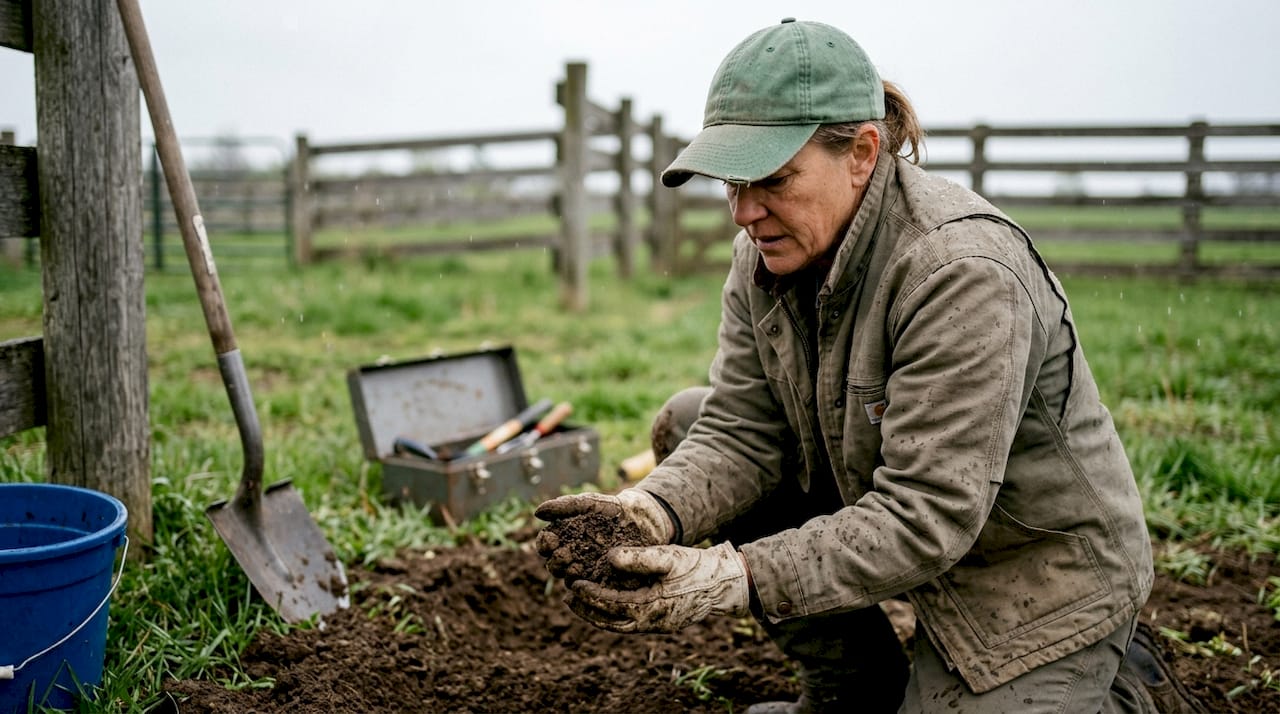
Pro Tip: Install ground rods in early spring or late fall when soil moisture naturally peaks in most Canadian regions. Frozen ground makes installation nearly impossible and dry summer soil provides poor initial conductivity.
Essential site preparation steps include:
- Identifying naturally moist locations such as low spots, near water troughs, or shaded areas
- Measuring and marking 33-foot clearance zones from all utility ground systems
- Gathering galvanized or copper-clad rods, burial-rated wire, and corrosion-resistant clamps
- Testing soil moisture levels and planning to water dry areas before rod installation
- Clearing vegetation and rocks from installation sites for easier rod driving
For detailed installation techniques, review the electric fence ground rod installation guide that covers various soil types. The diy ground rod for electric fence guide offers cost-saving approaches for smaller operations or temporary fence systems.
Installing and configuring your grounding system properly
Proper installation technique determines whether your grounding system performs reliably for years or fails during the first dry spell. Poor grounding causes up to 80% of failures, reducing shock strength so significantly that livestock quickly learn to ignore the fence. Following a systematic installation process ensures optimal performance from day one.
- Calculate total rod length needed by multiplying your energizer’s joule rating by three, then divide by individual rod length to determine quantity.
- Drive the first rod vertically into moist soil until only 4 to 6 inches remain above ground, using a fence post driver or sledgehammer with a rod driving cap.
- Position additional rods exactly 10 feet apart in a straight line, maintaining consistent spacing for uniform current distribution.
- Connect rods together using galvanized wire and corrosion-resistant clamps, ensuring tight mechanical connections at each rod.
- Run a single heavy-gauge wire from the rod cluster back to your energizer’s ground terminal, keeping this wire as short and direct as possible.
Dry or sandy soils require modified approaches because they conduct electricity poorly. Increase both number and depth of rods when working with challenging soil conditions. Some farmers successfully use 10-foot rods driven completely underground in sandy areas, doubling or tripling the number of rods calculated by the standard formula.
Wire-return grounding offers an alternative for extremely dry conditions. This system runs an insulated ground wire along the fence line, connecting to ground rods only at the energizer location. Animals touching the hot wire while standing on dry ground complete the circuit through the separate ground wire rather than through soil. This approach works well for temporary grazing systems in arid regions.
Pro Tip: Pour a bucket of water around each freshly installed ground rod and let it soak in completely. This settles soil tightly against the rod and improves initial conductivity while your system establishes proper ground contact.
| Soil Type | Standard Rods Needed | Enhanced Configuration |
|---|---|---|
| Moist Clay | 3 rods (6-joule system) | Standard spacing adequate |
| Loamy Soil | 3 rods (6-joule system) | Add 1 extra rod for reliability |
| Sandy Soil | 5+ rods (6-joule system) | Increase depth to 10 feet if possible |
| Rocky Soil | 4+ rods (6-joule system) | Use multiple shallow rods in soil pockets |
Test your completed installation before connecting livestock. Place a metal rod in the ground about 300 feet from your energizer and connect it to the hot wire with a piece of wire, creating an intentional short circuit. Use a digital voltmeter to measure voltage at the ground rod cluster. Readings above 0.5 volts indicate inadequate grounding that needs correction before the system goes live.
Learn more about proper wire selection in the best ground wire electric fence guide. For comprehensive setup information, reference grounding a electric fence safely to avoid common installation mistakes that compromise both performance and safety.
Troubleshooting and maintaining your fence grounding system
Regular maintenance prevents small problems from becoming system failures that allow livestock escapes. Inspect your ground rod connections every spring and fall, looking for white or green corrosion that indicates poor electrical contact. Loose clamps create resistance that reduces shock effectiveness, so tighten all connections and replace corroded hardware immediately.
Measure ground resistance using a digital voltmeter at least annually. Connect your meter between the energizer ground terminal and a test probe driven into soil 100 feet away. Readings below 25 ohms indicate excellent grounding, while values above 100 ohms signal serious problems needing immediate attention. This simple test reveals grounding degradation before it impacts livestock containment.
Earth-return systems work best in moist soils where electrical current flows easily through the ground back to your energizer. Wire-return systems excel in dry conditions by providing a dedicated return path that bypasses poor soil conductivity. Understanding which system suits your conditions helps you troubleshoot voltage problems effectively.
Common grounding problems and solutions:
- Corroded connections reducing conductivity: Clean and tighten all clamps, replace severely corroded hardware
- Insufficient rod depth in dry soil: Drive additional rods or increase existing rod depth by 2 to 4 feet
- Vegetation growth around ground rods: Clear a 2-foot radius around each rod to prevent moisture-stealing plants
- Seasonal voltage drops during dry periods: Water ground rod areas weekly during drought conditions
- Interference from nearby utility grounds: Relocate ground rods to maintain proper clearance distances
Poor grounding increases livestock escapes by up to 30% because animals quickly learn when fence voltage drops below effective deterrent levels. Cattle and horses especially test fences regularly, and they remember when shocks feel weak. Maintaining optimal grounding prevents this learned behavior and keeps containment reliable.
| System Type | Best Soil Conditions | Voltage Performance | Maintenance Needs |
|---|---|---|---|
| Earth-Return | Moist, clay-rich soils | Excellent in wet conditions | Moderate, seasonal checks |
| Wire-Return | Dry, sandy, or rocky soils | Consistent year-round | Low, minimal soil dependence |
| Hybrid System | Variable moisture conditions | Adapts to seasonal changes | Higher, requires both systems |
Seasonal changes affect grounding performance significantly in Canadian climates. Frozen ground in winter and drought conditions in summer both reduce conductivity. Monitor voltage output more frequently during these challenging periods and be prepared to add temporary ground rods or switch to wire-return methods if voltage drops below acceptable levels.
For foundational setup knowledge, consult the basic electric fence setup guide that covers complete system design. The electric fence ground wire basics article explains wire sizing and connection methods that maximize grounding system longevity and performance.
Tools and supplies to optimize your grounding setup
Now that you understand proper grounding techniques, having the right tools makes installation faster and more reliable. The Hayes fencing and crimping tool creates secure wire connections that resist corrosion and maintain low resistance over years of service. This professional-grade tool crimps connectors tightly enough to ensure excellent electrical contact without damaging wire strands.
Working around electric fences requires safety awareness at all times. The FenceFast Barbwire Hat protects you during installation and maintenance work, reducing injury risk from overhead wires. Comfort and protection let you focus on proper installation technique rather than worrying about accidental contact.
Visit FenceFast Ltd. for a complete selection of grounding rods, connectors, wire, and energizers suited to Canadian agricultural conditions. Our team understands the unique challenges of farming across diverse soil types and climate zones. We provide expert guidance on system sizing and can recommend specific products that match your livestock type, fence length, and local soil conditions.
FAQ
How many ground rods do I need for my electric fence energizer?
Use 3 feet of ground rod length per joule of energizer output for proper grounding. A 15-joule energizer needs approximately 45 feet total, which you can split across multiple rods such as six 8-foot rods or eight 6-foot rods. Always round up when calculating rod quantities to ensure adequate grounding capacity.
What if my farm soil is too dry for effective grounding?
Dry soils require more rods, deeper installation, watering, or switching to a wire-return grounding system. Increase rod quantity by 50% to 100% beyond the standard calculation and drive them deeper if possible. Wire-return systems bypass soil conductivity issues entirely by providing a dedicated ground wire along the fence line, making them ideal for sandy or rocky conditions.
How often should I test my electric fence grounding system?
Test your grounding system annually or after major weather changes like extended droughts or heavy flooding. Check both voltage output and ground resistance to catch problems early. Inspect physical connections every six months, looking for corrosion or loose clamps that increase resistance and reduce shock effectiveness.
Can I use regular steel rods instead of galvanized or copper-clad rods?
Regular steel rods corrode rapidly in soil, especially in moist conditions that provide good grounding. This corrosion increases resistance over time and eventually causes complete grounding failure. Galvanized or copper-clad rods cost more initially but last decades longer and maintain consistent low resistance throughout their service life, making them far more economical long term.
Should I connect my electric fence ground to my building’s electrical ground?
Never connect electric fence grounding to building electrical systems or utility grounds. This creates dangerous situations where electrical faults can energize your fence unexpectedly or where fence current can interfere with sensitive electrical equipment. Maintain the required 33-foot separation distance between all grounding systems to ensure safety and optimal performance.

